
Pests and Diseases
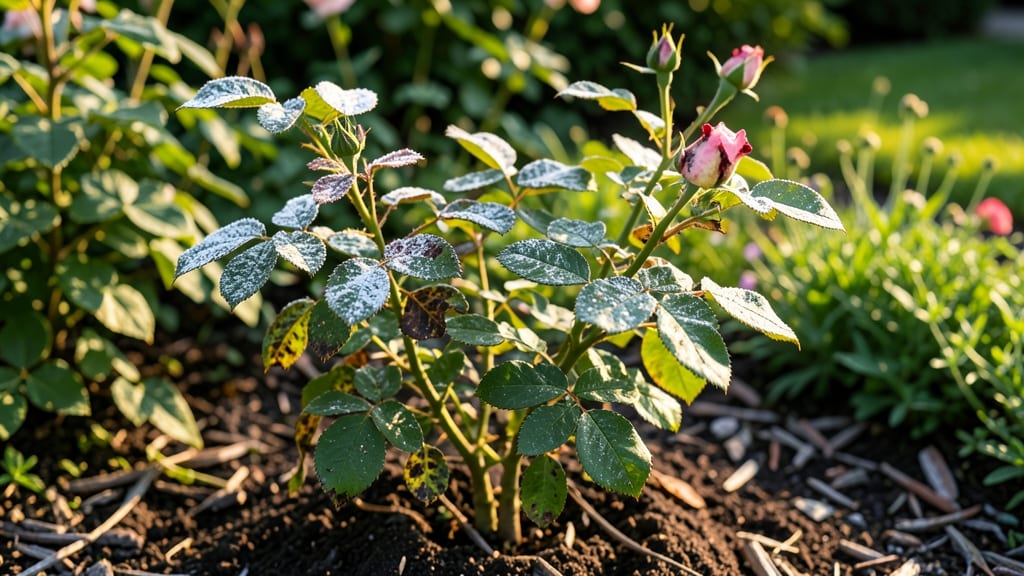
Seeing white on rose bush leaves isn’t just an eyesore—it’s a fungal blight that can weaken your plants if left unchecked. 🌿 I've battled powdery mildew, sooty mold, and aphid-related residue on roses, and vinegar spray has become my go-to cure.
The key is identifying exactly what you're dealing with before treating, because different white issues need different fixes.
Most white spots start with powdery mildew—a fuzzy white coating that spreads in warm, humid conditions. Aphids and spider mites create white residue (sooty mold) by excreting sticky honeydew. The good news?
Both respond to simple fixes: homemade vinegar spray for mildew, neem oil for pests, and proper pruning to improve airflow. I've seen roses fully recover in just 2-3 weeks with consistent treatment.
Your roses will reward you with vibrant green leaves and abundant blooms once the white spots disappear. The secret is acting fast—once the fungus or pests take hold, they multiply quickly.
A weekly preventive spray during humid seasons keeps roses thriving without chemicals. The best part? You'll notice stronger stems and more flowers by next season.
This works for all rose varieties—hybrid teas, floribundas, even climbing roses. The same principles apply whether you're dealing with a single bush or an entire garden bed. Let's get those leaves clean and your roses back to their best!
Understanding The Root Causes
When you spot white, powdery, or fuzzy patches creeping across your rose bush leaves, it’s not just an aesthetic issue—it’s a cry for help from your plant. Understanding the why behind these symptoms is the first step to restoring your roses to their vibrant, disease-free glory.
Below, we break down the most common culprits, backed by science, so you can diagnose—and fix—the problem with confidence.
Fungal diseases are the #1 cause of white growth on rose leaves, and they thrive in warm, humid conditions—think summer afternoons or crowded gardens with poor airflow. The two most notorious offenders are:
- Powdery Mildew – This fungal infection appears as a white, powdery coating on leaves, stems, and even buds. It spreads via wind-blown spores and weakens the plant by blocking sunlight, reducing photosynthesis. Fun fact: Some roses are genetically resistant, but environmental stress (like drought or overwatering) makes them vulnerable.
- Downy Mildew – Less common but more aggressive, this fungus causes white, fuzzy patches on the undersides of leaves (and yellowing on top). Unlike powdery mildew, it thrives in high humidity and can kill leaves quickly if untreated.
🔍 How to confirm: Gently scrape the white substance with your fingernail. If it leaves a powdery residue, it’s likely powdery mildew. If the growth is fuzzy or web-like, downy mildew may be the culprit.
Not all white growth is fungal—some is a sign of pest infestations that leave behind sticky residue (honeydew) or protective webbing. The most common pests to watch for:
- Aphids – These sap-sucking insects cluster on new growth and excrete sticky honeydew, which attracts sooty mold (a black, powdery fungus). While aphids themselves aren’t white, their honeydew can create a white, crusty appearance when mold sets in.
- Whiteflies – Tiny, winged insects that resemble tiny moths and swarm when disturbed. They feed on undersides of leaves, leaving white, cottony waste and weakening the plant.
- Mealybugs – These pests appear as white, cotton-like clusters in leaf axils or under buds. They suck plant juices, causing yellowing and stunted growth.
💡 Pro tip: Shake your rose bush over a white sheet of paper. If tiny white insects flutter up, you’ve got a pest problem—not a fungus.
Roses are dramatic—too much of a good thing (or too little) can trigger white growth as a stress response. Common environmental triggers include:
| Factor | How It Causes White Growth | Fix It Fast |
|---|---|---|
| Overwatering | Soggy soil suffocates roots, leading to fungal infections (like powdery mildew) and yellowing leaves | Let soil dry 2 inches deep between waterings; improve drainage. |
| Poor Airflow | Crowded plants or thick foliage trap humidity, creating the perfect fungal breeding ground. | Prune for open spacing; avoid overhead watering. |
| Nutrient Deficiencies | Low phosphorus or calcium weakens leaves, making them susceptible to fungal attacks. | Fertilize with a balanced rose food (10-10-10) in early spring. |
| Extreme Heat | Drought stress reduces plant resilience, inviting fungal spores to take hold. | Mulch with 2–3 inches of organic matter to retain moisture. |
⚠️ Warning: If your roses are chronically struggling with white growth despite your best efforts, they may be overbred for show (many hybrid roses lack natural disease resistance). Consider swapping in disease-resistant varieties like ‘Dr. Huey’ or ‘Knock Out’ roses for long-term peace of mind.
Now that you know the why, the next step is action. Stay tuned for our vinegar spray remedy—a natural, budget-friendly way to banish fungal blight and pests for good! 🌿💥
Fixing Fungal Foes on Roses
Now that you know what’s causing that unsightly white powder or fuzzy spots on your rose leaves, it’s time to roll up your sleeves and restore your plants to their former glory! Here’s a practical, step-by-step guide to treating and preventing fungal issues—no fancy tools or chemistry required.
Before you spray, remove the damage to stop the fungus from spreading. - Prune infected leaves 🔪: Snip off any leaves, stems, or buds with white spots, powdery coatings, or blackened areas.
Dispose of them in the trash (not your compost bin—fungus can survive there!). - Rake up debris 🌬️: Clear away fallen leaves, petals, and mulch around the base of the plant.
Fungal spores love hiding in organic matter. - Pro tip: 💡 Water your roses in the early morning so the foliage dries quickly. Wet leaves overnight = fungus party time.
White vinegar isn’t just for cleaning your kitchen—it’s a powerful, affordable antifungal when used correctly. Recipe:
- Mix 1 part white vinegar (5% acidity) with 3 parts water in a spray bottle.
- Add 1 tsp of dish soap (like Dawn) to help it stick to leaves.
- Shake well and spray thoroughly on both sides of leaves, stems, and buds—especially where you see white growth.
How to apply: ⏰ Best time: Early morning or late afternoon (avoid midday sun to prevent leaf burn). 🌧️ Spray until dripping—fungus hides in crevices! 🔄 Repeat every 7–10 days until the problem disappears.
⚠️ Warning: Vinegar can burn tender new growth if overused. Test on a small leaf first, and avoid spraying in direct sunlight.
If your roses have a white, powdery coating (powdery mildew), baking soda is your secret weapon. Recipe:
- Dissolve 1 tbsp baking soda + 1 tsp dish soap in 1 gallon of water.
- Spray evenly on all surfaces, focusing on undersides of leaves.
Why it works: 🌡️ Baking soda raises the pH, making it unfriendly for fungal spores. 🔄 Reapply every 1–2 weeks during humid weather.
A strong rose bush fights off fungus better than a weak one.
Give your plants these preventive perks: - Water at the base 💦: Avoid wetting leaves (use a soaker hose or drip irrigation). - Improve airflow 🌬️: Prune for open spacing between branches—crowded plants stay damp and diseased. - Feed with compost or organic fertilizer 🍄: Healthy soil = stronger plants.
Try a balanced 10-10-10 or fish emulsion in early spring. - Mulch properly 🌿: Use 2–3 inches of organic mulch (like straw or wood chips) to keep soil moist but prevent splashing water onto leaves.
Once you’ve kicked the fungus out, keep it from moving back in: - Rotate sprays 🔄: Alternate between vinegar, baking soda, and neem oil (a natural antifungal/fungicide) every few weeks. - Plant resistant varieties 🌹: Some roses (like ‘Knock Out’ or ‘Dr. Huey’) are naturally mildew-resistant. - Clean tools ⚡: Sterilize pruners with rubbing alcohol between cuts to avoid spreading spores. - Watch the weather ☁️: Fungus thrives in humidity + warmth.
If rain is forecasted, give your roses a preventive spray the night before.
Final thought: 🎯 With consistent care, your roses will bounce back stronger than ever—and next season, you’ll catch fungal issues before they take hold. Happy gardening!
Frequently asked questions
Why do some white spots look powdery while others appear sticky?
Powdery spots are almost always fungal infections like powdery mildew—they feel like flour dust. Sticky white residue? That's honeydew from pests like aphids or whiteflies, which attracts sooty mold. The fix differs: spray vinegar for fungus, neem oil for pests.
Can I use regular vinegar or do I need apple cider vinegar?
White vinegar (5% acidity) works perfectly—it's stronger than apple cider and more effective against fungal spores. Just dilute it properly (1:3 ratio) and add dish soap. Apple cider vinegar is great for soil health but less potent for mildew treatment.
How long until I see results after spraying?
With consistent treatment (every 7-10 days), you should see improvement in 1-2 weeks. For severe cases, new growth may take 3-4 weeks to fully recover. The key is treating both sides of leaves and removing infected foliage immediately.
Will this work for white spots on other plants?
Yes! The same vinegar spray works for tomatoes, peppers, and hydrangeas with powdery mildew. Just adjust the dilution slightly for delicate plants—try 1:4 ratio. For woody plants like roses, the stronger 1:3 ratio is ideal.
What if my roses keep getting white spots despite treatment?
Persistent issues often mean poor airflow or overwatering. Try pruning for better circulation and watering only at the base. If the problem continues, your rose variety may be naturally susceptible—consider switching to mildew-resistant varieties like 'Knock Out' roses.