
How To
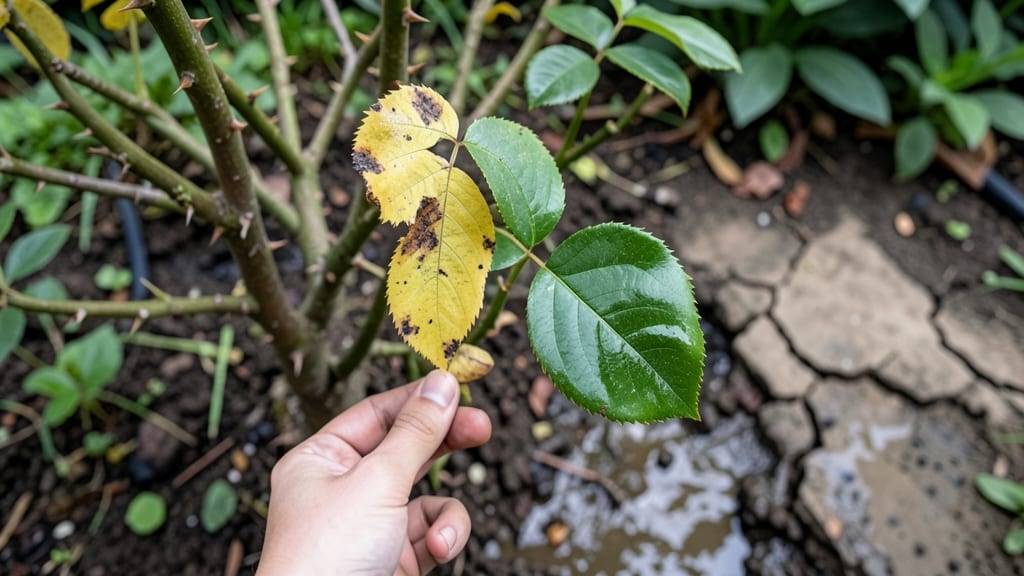
Seeing what causes rose bush leaves to turn yellow isn’t just about aesthetics—it’s your plant’s way of signaling distress. 🌿 I’ve seen this happen more times than I can count, and the culprit is almost never what beginners assume.
It’s not just overwatering or root rot; it could be hidden nutrient deficiencies, fungal infections, or even pests sucking the life out of your plant while you’re none the wiser.
The first step is checking the soil moisture—stick your finger in the dirt. If it’s soggy, you’ve got overwatering or poor drainage. If it’s bone-dry, underwatering might be the issue.
But here’s the kicker: yellow leaves can also mean your roses are starving for nitrogen or magnesium, or they’re battling black spot fungus that thrives in damp conditions. Each problem has a different look, and knowing the signs saves your bushes.
Once you identify the issue, fixing it is straightforward. For overwatering, adjust your watering schedule and improve drainage. For nutrient deficiencies, a balanced fertilizer or Epsom salt (for magnesium) works wonders.
And if it’s a fungal disease? Prune infected leaves and apply a fungicide. Within 2-4 weeks, you’ll see those leaves turning back to their healthy green—if you act fast.
Prevention is easier than cleanup: water at the base (not the leaves), mulch to retain moisture without drowning roots, and inspect your bushes weekly for early signs of trouble. Trust me, catching yellowing leaves early means your roses stay lush, fragrant, and blooming like crazy all season long.
Root Causes Of Yellowing Leaves
Understanding why your rose bush leaves are turning yellow starts with identifying the primary stressors disrupting their health. Roses are resilient, but when their needs aren’t met—or when pests and diseases strike—they send distress signals in the form of yellowing foliage.
Below, we break down the most common culprits, backed by science, so you can diagnose the issue like a pro.
Yellow leaves on roses are often a drowning cry for help. Roses thrive in well-draining soil, but when water pools around roots, it starves them of oxygen—a condition called anaerobic stress.
This triggers: - Chlorosis (yellowing between leaf veins) due to iron and nutrient lockout. - Root rot (a fungal infection from Phytophthora or Pythium), which blocks water and nutrient uptake. - Soggy soil that smells like wet socks—your first red flag.
Why it happens:
- Compacted or clay-heavy soil holds excess moisture.
- Overzealous watering (e.g., daily light rains + your hose).
- Lack of organic matter (like compost) to improve aeration.
Pro tip: 🌡️ Stick your finger 2 inches into the soil—if it’s damp, wait to water. Amend soil with perlite or sand to boost drainage.
If your rose’s leaves are crispy-edged and yellow, it might be thirsty.
Unlike overwatering, underwatering causes: - Wilting followed by yellowing as the plant sheds leaves to conserve water. - Heat stress, where high temperatures (above 90°F) force the plant to transpire faster than roots can supply water.
Why it happens:
- Inconsistent watering (e.g., skipping midday watering in summer).
- Shallow root systems in young roses or those in containers.
- Evaporative loss from hot, dry winds.
Action step: 💧 Water deeply 1–2 times per week (early morning) and mulch to retain moisture.
Yellow leaves can signal a hunger for key nutrients, especially:
- Iron (Fe) deficiency → Interveinal chlorosis (yellowing between veins, common in alkaline soils).
- Nitrogen (N) deficiency → Overall yellowing (older leaves first).
- Magnesium (Mg) deficiency → Yellow patches between veins on older leaves.
Why it happens:
- Alkaline soil (pH > 7.0) locks out iron and manganese.
- Poor soil quality lacking organic matter.
- Over-fertilizing with phosphorus/potassium while neglecting nitrogen.
Fix it fast: 💡 Conduct a soil test (DIY kits work!). For iron deficiency, apply chelated iron or sulfur to lower pH. Use a balanced rose fertilizer (10-10-10) in spring.
Fungi like black spot (Diplocarpon rosae) and powdery mildew (Erysiphe) thrive in humid, shaded conditions, causing:
- Yellowing + brown spots with black centers (black spot).
- White powdery coating on leaves (mildew), which blocks sunlight and triggers yellowing.
Why it happens:
- Poor airflow from overcrowded plants.
- Wet foliage (watering overhead or high humidity).
- Stressed roses (from poor soil or pests).
Prevent it: ✨ Prune for airflow, water at the base, and spray with neem oil or baking soda mix (1 tbsp baking soda + 1 quart water + drop of dish soap).
Sap-sucking pests like aphids, spider mites, and scale insects drain nutrients, causing:
- Yellowing + curling leaves (aphids).
- Stippled or bronzed leaves (spider mites).
- Sticky residue (honeydew) attracting sooty mold (a black fungal growth).
Why it happens:
- Weakened plants (from drought or poor soil).
- Lack of beneficial insects (like ladybugs) to control populations.
Combat them: 🔥 Spray with insecticidal soap or horticultural oil. Introduce predatory insects or prune heavily infested leaves.
Roses are sensitive to sudden changes, including:
- Cold drafts or frost → Yellowing from cell damage.
- Salt buildup (from tap water or fertilizers) → Burnt leaf edges.
- Air pollution or smog → Yellowing in urban areas.
Why it happens:
- Improper planting location (e.g., near AC units or roadside).
- Hard water (high in calcium/magnesium) left to evaporate on leaves.
Solution: 🌿 Relocate young roses away from drafts. Use rainwater if tap water is salty. Flush soil with fresh water to leach out salts.
Not all yellow leaves are bad! Roses naturally shed older leaves in late summer/fall as they:
- Recycle nutrients back to the plant.
- Prep for dormancy in cooler months.
How to tell it’s normal:
- Yellowing starts on older, lower leaves.
- No spots, wilting, or pest signs.
- Happens seasonally (not year-round).
When to worry: If new leaves are also yellowing, investigate other causes above.
Fix Yellow Leaves Fast
Now that you’ve identified the cause of your rose bush’s yellowing leaves, it’s time to take action! Below are practical, step-by-step solutions tailored to each common issue—plus prevention tips to keep your roses thriving.
Symptoms: Yellowing leaves, soggy soil, wilting despite watering.
How to Fix It:
- 🔥 Stop Watering Immediately Let the soil dry out completely before watering again. Stick your finger 2 inches into the soil—if it’s damp, wait another day.
- 🍳 Improve Drainage
- If your rose bush is in a pot, add perlite or coarse sand to the soil mix (20-30% of the total volume).
- For in-ground roses, consider raising the planting bed slightly or adding gravel beneath the root zone.
- 👨🍳 Adjust Your Watering Routine
- Water deeply but infrequently (1-2 inches per week, depending on climate).
- Water at the base of the plant (not overhead) to prevent fungal issues.
- Use a moisture meter to track soil dampness accurately.
💡 Prevention Tips:
- Choose well-draining soil (amend clay soil with compost or sand).
- Plant roses in mounds to encourage better drainage.
- Avoid watering in the evening to reduce humidity-related stress.
Symptoms: Yellowing leaves, black/mushy roots, foul-smelling soil.
How to Fix It:
- ⏰ Act Fast—Prune Affected Areas
- Use sterilized shears to cut back all yellowed or mushy stems.
- Remove any blackened roots (healthy roots are firm and white).
- 🔪 Repot or Replant (If Necessary)
- For potted roses, transfer to a clean pot with fresh, sterile potting mix.
- For in-ground roses, dig up the plant, trim rotten roots, and replant in well-draining soil.
- 🌿 Treat with Fungicide (If Needed)
- Apply a copper-based fungicide or hydrogen peroxide (3%) to the soil to kill fungus.
- Avoid overwatering for at least 2 weeks while the plant recovers.
💡 Prevention Tips:
- Never let roses sit in standing water—ensure containers have drainage holes.
- Space plants properly to improve airflow and reduce moisture buildup.
- Sterilize tools before pruning to prevent spreading disease.
Symptoms: Yellowing between leaf veins (iron/chlorosis), weak growth.
How to Fix It:
- 📊 Test Your Soil
- Use a home soil test kit to check pH and nutrient levels.
- Roses prefer slightly acidic soil (6.0-6.5 pH).
- 💪 Apply the Right Fertilizer
- For iron deficiency (yellowing between veins): Use an iron chelate or Epsom salt spray (1 tbsp per gallon of water).
- For general nutrients: Switch to a balanced rose fertilizer (10-10-10) or compost tea.
- For nitrogen deficiency (pale green leaves): Use a high-nitrogen fertilizer (like blood meal).
- 🥗 Mulch for Slow-Release Nutrients
- Add 2-3 inches of organic mulch (like wood chips or straw) to retain moisture and improve soil health.
💡 Prevention Tips:
- Fertilize every 4-6 weeks during growing season (spring-fall).
- Avoid over-fertilizing—too much can burn roots.
- Use organic matter (compost, worm castings) to boost soil fertility naturally.
Symptoms: Yellowing with spots, holes, or sticky residue (aphids, spider mites).
How to Fix It:
- 🔪 Prune Infested Leaves
- Remove heavily damaged leaves and dispose of them in the trash (not compost).
- 🍳 Spray with Natural Pesticides
- Neem oil (1 tsp per quart of water) – kills pests and prevents fungal growth.
- Insecticidal soap (for soft-bodied pests like aphids).
- Horticultural oil (for mites and scale).
- 🌿 Encourage Beneficial Insects
- Plant marigolds or basil nearby to attract ladybugs (natural aphid predators).
- Install a small bird feeder to attract birds that eat caterpillars.
💡 Prevention Tips:
- Inspect leaves weekly for early signs of pests.
- Keep the garden clean—remove fallen leaves and debris where pests hide.
- Rotate pesticides to prevent resistance.
✨ Pro Tip: If your rose bush is severely stressed, consider a foliar spray of seaweed extract (like Maxicrop) to boost recovery and resilience.
By addressing the root cause (literally!) and following these steps, your rose bush should bounce back with vibrant green leaves in no time. 🌹💚
Frequently asked questions
Why do rose bush leaves turn yellow in patches but stay green in the veins?
This classic pattern usually signals iron deficiency (chlorosis), often caused by alkaline soil (pH > 7.0) that locks out iron. Roses need iron for chlorophyll production, so when roots can't access it, leaves yellow between veins first. Test your soil—if pH is high, amend with sulfur or chelated iron to restore nutrient availability.
Can yellow leaves spread to other parts of my rose bush?
Yes, if left untreated! Yellowing often starts as a localized issue but can spread due to root stress (from overwatering/underwatering) or systemic problems like nutrient deficiencies. For example, iron deficiency in one branch can weaken the whole plant's nutrient transport. Act within 2-4 weeks—prune affected leaves and address the root cause to prevent further spread.
Is it safe to prune yellow leaves from my rose bush?
Pruning yellow leaves improves airflow and redirects the plant's energy to healthy growth. Use sterilized shears to cut just above a leaf node (where new growth emerges). For severe cases (like fungal infections), dispose of pruned leaves in the trash—not compost—to prevent reinfection.
Why do my rose bush leaves turn yellow in hot weather?
High temperatures (above 90°F) accelerate water loss, causing heat stress and yellowing. Roses also struggle to absorb nutrients in extreme heat. To help: water deeply in the morning, provide afternoon shade (especially for young plants), and mulch to retain soil moisture. Avoid fertilizing during heatwaves—it stresses roots further.
Could my rose bush be getting too much sunlight?
Unlikely! Roses typically need 6-8 hours of sunlight daily, and too little light causes yellowing too—but it’s usually pale yellow and paired with weak growth. If your roses are in full sun, check for overwatering (sunlight + excess water = root rot) or nutrient burn (from over-fertilizing). Move potted roses to partial shade temporarily if leaves appear scorched.