
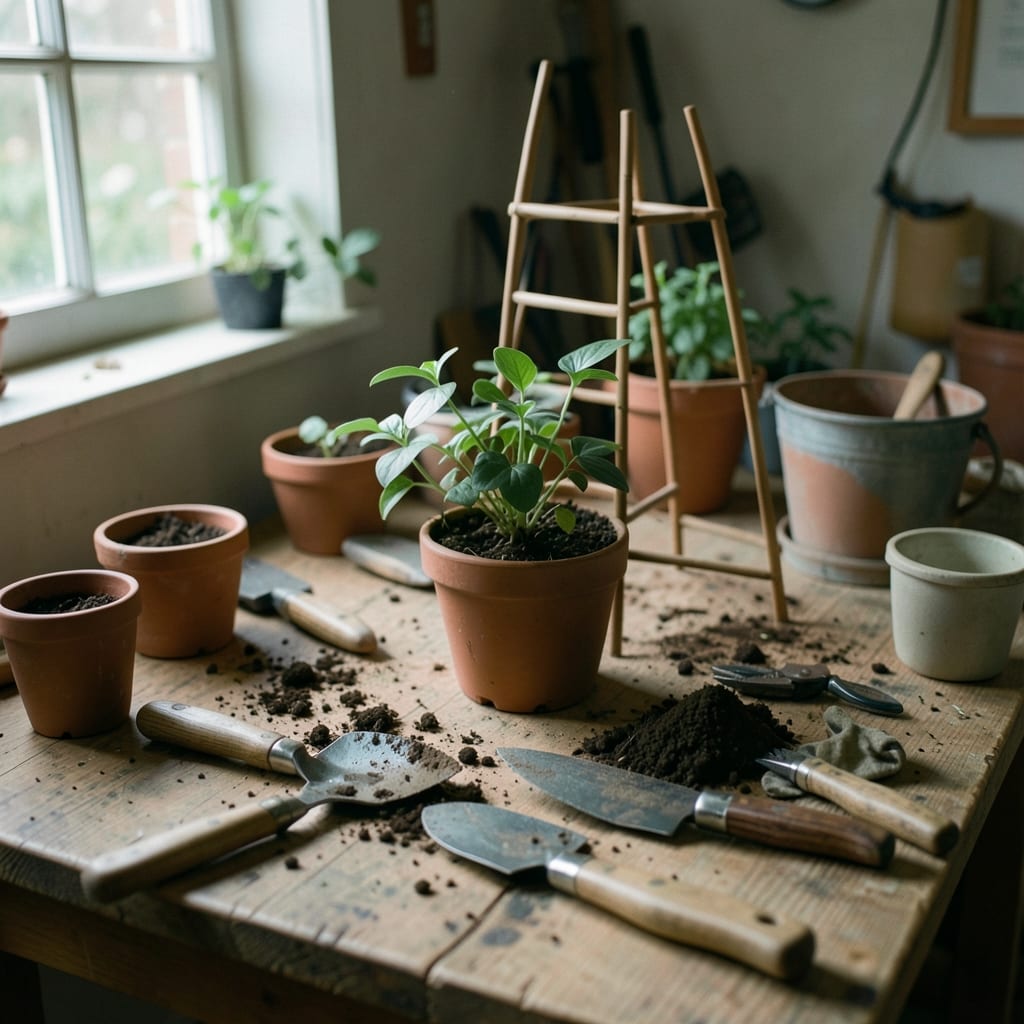
It started with one plant that kept failing
It was a *Salvia officinalis*—common sage—planted in late April in New Mexico’s high desert, where the soil is dry and the winds howl through the canyons like they’re trying to steal what little moisture the roots can grab.
I’d pressed the seeds into the dirt, barely covering them, and watered them in with the kind of careful hope that only works if the universe is on your side. For three weeks, nothing.
Then, the first true leaves pushed through. Thin, pale, and already wilting by midday. I’d read that sage likes full sun, so I’d chosen the sunniest spot in the yard—only to watch the seedlings crisp at the edges like overcooked bacon.
The soil was too alkaline, I later learned, and the roots couldn’t tolerate it. I adjusted the pH, added compost, and replanted. The second batch lasted a week before the same thing happened: bright, cheerful morning leaves turning brittle by noon.
The third time, I moved them under the drip irrigation, convinced that was the fix. But the stems grew leggy and weak, stretching toward the water like drunkards. The fourth attempt involved a shade cloth, which only made them flop.
By the fifth try, I’d resorted to a greenhouse flat, where the air was thick with the scent of damp earth and the seedlings finally looked *right*—until the first real heatwave hit. The plastic warped, trapping moisture, and within days, powdery mildew spotted every leaf.
Nine tries before it worked
The sixth attempt was a disaster. I’d read that sage thrives in poor soil, so I skipped the compost and planted directly into the native clay. The seeds sprouted, but the seedlings were stunted, their leaves curled inward like they were hiding from something.
I watered less, thinking drought would toughen them, but the roots rotted instead. By the time I realized, half the flat was mush.
The seventh time, I switched to cuttings from a neighbor’s mature plant, convinced propagation would be easier. The stems rooted in water, but the first leaves that emerged were yellowed and twisted. I tested the water pH, adjusted the light, even tried rooting hormone—nothing.
The eighth batch of cuttings fared slightly better, but the new growth was sparse, and the plants looked like they were holding their breath.
It wasn’t until the ninth try—planting the cuttings directly into a raised bed with a 50/50 mix of native soil and perlite, under a 30% shade cloth—that they finally took.
The leaves were broad, deep green, and stayed that way even when the afternoon sun turned the rest of the garden into an oven. The breakthrough wasn’t the method itself, but the way I’d stopped treating each failure as a dead end and started treating them as data.
The mind behind these pages
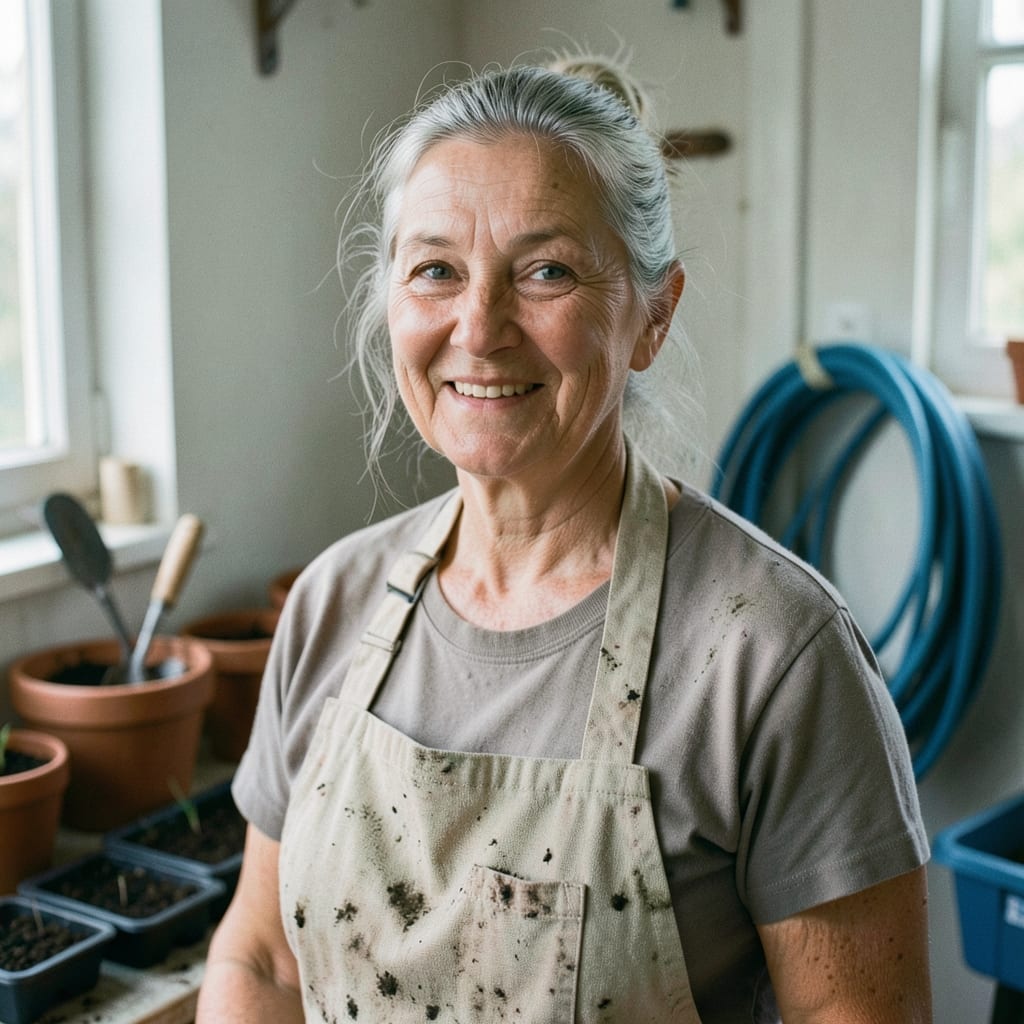
That’s Ramona Iverson, the one who kept replanting that sage.
She’s the founder and editor here, and if you’ve ever wondered why some gardening advice feels like it’s written in code, it’s because she’s the kind of person who notices when a ‘full sun’ recommendation turns your seedlings into crispy snacks.
Her grandmother’s garden in New Mexico taught her that growing things isn’t about following instructions—it’s about watching what happens when you don’t.
Ramona is the kind of gardener who tries something nine times before giving up, who keeps a notebook full of failures (and crosses out the ones that *almost* worked), and who still gets excited when a seed finally splits.
Her habit of digging deeper into why things go wrong—whether it’s soil pH, wind exposure, or just bad luck—is what turned this site into something more than a list of tips. It’s a record of the questions that come after the ‘it didn’t work’ moments.
She once spent a summer trying to grow blue delphiniums from seed, only to realize the ones she’d bought were actually hybrids and wouldn’t come true. The lesson? Not all plants are honest about their origins. Now, she cross-references every seed packet with three other sources before planting.
This site exists because of that sage—and because she refuses to let a plant die without learning something from it.
Everything here is written the way that sage was
Every guide, tip, and troubleshooting note on this site started as a failure. The soil mix for container gardens? Tested three times after the first batch of herbs wilted in compacted store-bought potting mix. The section on pruning roses?
Written after a winter where half the bushes died because the ‘standard’ pruning advice ignored the local freeze-thaw cycles. Even the ‘quick wins’ have scars: the time I swore mulch was the answer, until I realized the real problem was gophers.
You’ll never see a tip here that wasn’t tried, adjusted, and tried again. The notes in the margins—the ones about watering in the heat, or how certain seeds need light to germinate—those are the things that only show up after the third or fourth attempt.
And if a method doesn’t work here, it’s because we planted it, watched it fail, and wrote down exactly why.
The sage that finally took root? It’s still growing in that raised bed, thick and silver-green, a reminder that the ‘right’ way isn’t a recipe. It’s a process.
And every page here follows the same rule: if it hasn’t been tested in this climate, this soil, and this light, it’s not going to work.
What that means for you
You’ll find no ‘plant this in full sun’ advice without a footnote about what that means in your zone. No ‘add compost’ tips without a warning about the exceptions. And no ‘this is how you do it’ without the ‘or this is how it goes wrong’ to balance it.
This site exists for the gardeners who’ve lost plants to advice that didn’t fit their conditions—and for the ones who are about to.
What you *won’t* find are perfect gardens, guaranteed results, or answers that work everywhere. What you *will* find are the questions we asked after the failures, the adjustments we made, and the things we wish we’d known sooner.
The contact page is there for the rest: the ‘this didn’t work for me’ stories, the ‘I tried it and got something else’ moments, and the ‘here’s what happened when I—’ updates. Send them.
The most useful notes here came from readers who’d already tried the advice—and failed. If something didn’t work for you, tell us how it went wrong. The best corrections become part of the guides, and the worst become cautionary tales.
The guides are grouped by category: Advice, Aphids, Blooming, Companion Plants, Container Gardens and How To.