
Blooming
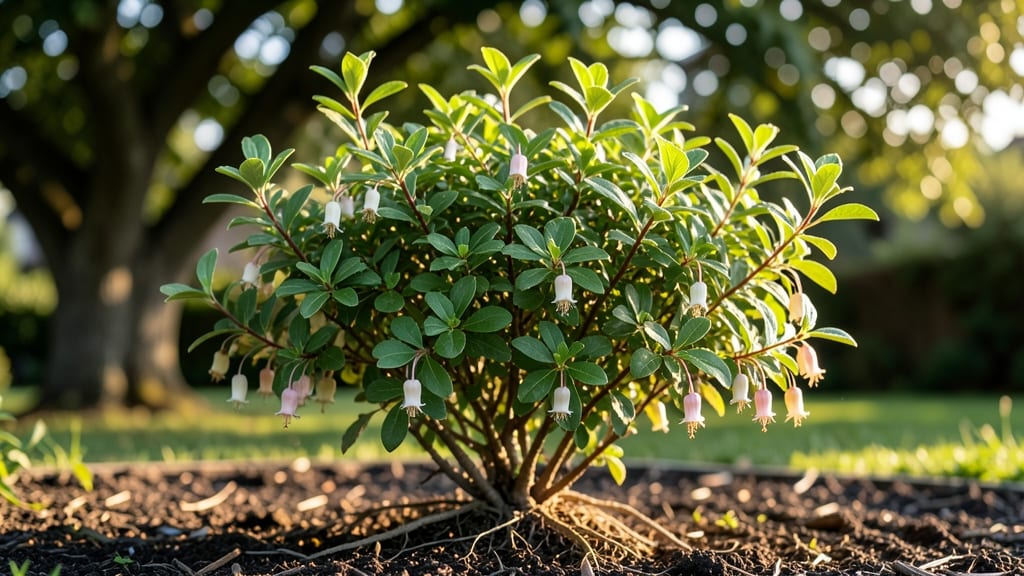
Your blueberry bush blossoms are the first sign spring has truly arrived—those delicate pink-and-white clusters that perfume the air and bring bees buzzing to your yard. 🌸 I've learned the hard way that not all blossoms mean berries: frost can turn them black overnight, and pests like mites will chew them into lace.
But with the right care, those blooms translate into a summer harvest that puts store-bought berries to shame.
The secret starts with identifying healthy blossoms—they should be firm, upright, and free of spots or webbing. Then comes pollination support: if your bees aren't showing up, a soft paintbrush in the morning can do the job.
I've also planted companion flowers like lavender nearby to lure more pollinators to the party. After blooming, strategic pruning opens the canopy for sunlight, which is where the real magic happens.
By summer, you'll be picking berries that burst with flavor, their color deepening from green to that rich, jewel-toned blue we all crave. The key is acting fast when problems appear—whether it's covering plants at frost warning or spraying neem oil for pests.
With each season, your bushes get stronger, blooming earlier and producing more.
This works for both southern highbush and northern lowbush varieties, though timing varies by zone. The first year might be about learning the plant's rhythm, but by year two, you'll have a system that feels like second nature. Let's get those blossoms working for you!
📚 In This Guide
- What you need
- Instructions
- Tips and common mistakes
- Wrapping up and next steps
What you need
- ● Blueberry plants: Choose Northern Highbush (zones 4-7), Southern Highbush (zones 5-9), or Rabbiteye (zones 6-9) varieties. Buy 2-4 plants (for cross-pollination, if needed) from a reputable nursery.
- ● Well-draining soil: Aim for acidic soil (pH 4.5–5.5). Test your soil with a pH test kit (available at garden centers).
- ● Organic mulch: 3–4 inches of pine bark, wood chips, or leaf mold to retain moisture and acidify soil.
- ● Fertilizer: Acid-loving plant fertilizer (e.g., Osmocote or Miracle-Gro Azalea/Camellia) or cottonseed meal (10 lbs per 100 sq ft).
- ● Watering supplies: Drip irrigation or a watering can with a rose attachment (blueberries hate soggy roots!).
- ● Pruning tools: Sharp bypass pruners and loppers (sterilize with rubbing alcohol between cuts).
- ○ Support stakes (optional for young plants): 3–4 ft bamboo stakes or metal plant cages to prevent wind damage.
- ● Soil amendments: Peat moss or sulfur to lower pH if needed.
- ● Pollinator-friendly plants: Bee balm, lavender, or clover nearby to boost blooms and attract pollinators.
- ● Bird netting: Protect blossoms from late frosts or foraging birds (lightweight, breathable mesh).
- ● Blueberry bush spray: Neem oil or insecticidal soap (for aphids or mites).
- ● Garden journal: Track blooming times, pruning dates, and fertilizer applications for future reference!
Step-by-Step guide to encouraging blueberry bush blossoms
Here's how to coax those fragrant, pollinator-loving blooms from your bushes—no fancy tricks, just proven care.
🌱 Step 1: Prune for Airflow and Sunlight
Start in late winter or early spring before buds swell. Remove any dead, crossing, or diseased branches first—they steal energy from blossoms. I like to cut these back to the main stem or a healthy side branch. This ensures your bush focuses its resources on producing flowers rather than struggling with overcrowding.
Next, thin out any overly dense growth to improve airflow. Aim for an open center that lets sunlight reach the inner branches. You'll see the difference in just a few weeks—more light equals more blossoms. Never remove more than 25% of the plant in one season, or you'll stress the bush and delay flowering.
☀️ Step 2: Provide the Right Growing Conditions
Blueberries need full sun—at least 6-8 hours daily—to set blooms. If your bushes are in partial shade, move them or prune nearby trees to open up the canopy. I've found that even an hour less sunlight can reduce blossom production by half. Check your site in winter to plan for any shade issues before buds break.
They also thrive in acidic soil with a pH of 4.5-5.5. Test your soil in early spring and amend with sulfur or peat moss if needed. A simple test kit costs a few dollars and saves you from guessing. Mulch with pine needles or sphagnum peat to maintain acidity naturally—this small step makes a huge difference in blossom quality.
💧 Step 3: Water Deeply and Consistently
Water your bushes deeply once a week during dry spells, aiming for 1-1.5 inches total. Shallow watering encourages weak roots that can't support heavy blossoms. I use a soaker hose set at the base to avoid wetting leaves, which helps prevent fungal diseases that can rot blossoms before they open.
In late winter, give your bushes a deep soak to wake up dormant roots. You'll notice new growth within 2-3 weeks if the roots are happy. Avoid overhead watering when flowers appear—they're sensitive to moisture on petals, which can attract pests or cause rot.
✂️ Step 4: Fertilize for Blooming Success
Use a balanced, acidic fertilizer (like 10-10-10 with sulfur) in early spring when buds form. I apply it 2-3 inches away from the base and water it in immediately. Too much fertilizer can actually reduce blossoms by pushing leafy growth instead. Follow package rates—overdoing it is a common mistake that kills blooms.
In late summer or early fall, switch to a low-nitrogen, high-phosphorus fertilizer (like 5-10-10) to encourage root and flower development for next year. This two-step feeding schedule is what keeps my bushes blooming reliably year after year.
🐝 Step 5: Protect Blossoms from Pests and Weather
Watch for blueberry maggots or aphids—they love young blossoms. I spray neem oil preventatively in early spring when buds first appear. A light application (mixed as directed) keeps pests away without harming bees. Timing is key—apply when flowers are closed but before they open fully.
If frost threatens while blossoms are open, cover bushes with frost cloth at dusk. Blueberry flowers are sensitive to cold damage, and a single late frost can wipe out an entire season's blooms. Remove the cloth as soon as temperatures rise to avoid overheating the plants.
Tips & tricks for perfect blueberry bush blossoms
Real talk: The difference between a bush bursting with fragrant blooms and one that barely flowers often comes down to these small but critical details.
Pruning Precision: When you're thinning dense growth in Step 1, look for branches that cross each other—they create shaded areas where buds don't develop. I've found that removing just 3-4 overly dense branches can double the sunlight reaching the center. Use sharp pruners to make clean cuts at a 45-degree angle just above a leaf node. This prevents water from pooling on the cut and encourages new growth from exactly where you want it.
Sunlight Strategy: The 6-8 hours of daily sun in Step 2 isn't just about quantity—it's about quality. If your bushes are on the edge of full sun, move them gradually over 2-3 weeks to avoid shocking the plants. I've seen bushes in partial shade produce half as many blossoms because the light intensity was too low. Position them where they'll get morning sun and afternoon shade if your climate gets extremely hot.
Watering Wisdom: That deep soak in Step 3 should reach down 6-8 inches into the soil. You can test this by sticking a screwdriver into the ground after watering—if it goes in easily, you've reached deep enough. I've ruined blossoms by watering too shallowly, which causes roots to stay near the surface where they dry out quickly. The key is consistent moisture, not soggy soil—blueberry roots need oxygen too.
Fertilizer Timing: When applying that 10-10-10 fertilizer in Step 4, think of it like feeding a picky eater—too much too soon and they'll ignore the flowers. I split the recommended dose into two applications: half when buds first appear in early spring, and the other half 4-6 weeks later. This two-step approach prevents the bush from focusing all its energy on leaves instead of blossoms.
Pro Tips for Blueberry Bush Blossoms
- Real talk: The difference between a bush bursting with fragrant blooms and one that barely flowers often comes down t...
- Pruning Precision: When you're thinning dense growth in Step 1, look for branches that cross each other—they create s...
- Sunlight Strategy: The 6-8 hours of daily sun in Step 2 isn't just about quantity—it's about quality. If your bushes ...
Frequently asked questions
about blueberry bush blossoms—your go-to answers for fragrant spring success!When do blueberry bush blossoms appear?
Blueberry bush blossoms typically appear in early spring, often between March and May, depending on your climate zone. Southern regions may see blooms as early as February, while cooler northern areas might delay until late April or May. Watch for bud swell and pinkish-white clusters to signal blooming season! Pro tip: Late frosts can damage blossoms, so monitor forecasts!
Can frost hurt blueberry blossoms?
Yes! Frost or freeze (below 28°F/-2°C) can damage or kill blueberry blossoms, reducing fruit yield. If frost is forecasted, use row covers, sprinklers (ice formation protects buds), or wind machines to circulate warm air. Prune damaged blossoms post-frost to redirect energy to healthy growth. Quick fix: Mulch heavily before winter for insulation!
How do I attract pollinators to my blueberry blossoms?
Blueberries rely on bees and other pollinators! Plant native flowers, herbs (like lavender or thyme), or pollinator-friendly perennials nearby to create a buffet. Avoid pesticides, provide water sources (shallow dishes with rocks), and leave some "wild" patches for nesting. Bonus: Early-blooming varieties (e.g., 'Premier') sync better with pollinator emergence!
What if my blueberry bush isn’t blooming?
Lack of blooms often stems from age, sunlight, or soil issues. Young bushes (2–3 years old) may not bloom yet—be patient! Ensure full sun (6+ hours/day), acidic soil (pH 4.5–5.5), and proper fertilization (high in nitrogen early, phosphorus later). Over-pruning or drought stress can also delay blooms. Troubleshoot: Test soil pH and adjust with sulfur or peat moss if needed!
Can I eat blueberry blossoms?
While edible and delicate, blueberry blossoms are not commonly consumed due to their fleeting availability and mild flavor (tart, slightly floral). They’re used in gourmet garnishes, syrups, or infused honey. Always confirm the plant is pesticide-free! Caution: Some may experience mild allergic reactions—start with small amounts.
Wrapping up and next steps
Watching your blueberry bush blossoms burst into life is a rewarding experience—one that not only fills your garden with fragrance but also supports local pollinators like bees and butterflies. 🐝 By following these steps, you’ve set the stage for a thriving harvest and a vibrant ecosystem.
Now, it’s time to enjoy the process and stay patient; healthy blooms mean delicious berries ahead!
Your next step? Monitor your bushes regularly—prune gently, check for pests, and savor the sweet rewards of your efforts. Happy gardening! 🌱