
Shrubs
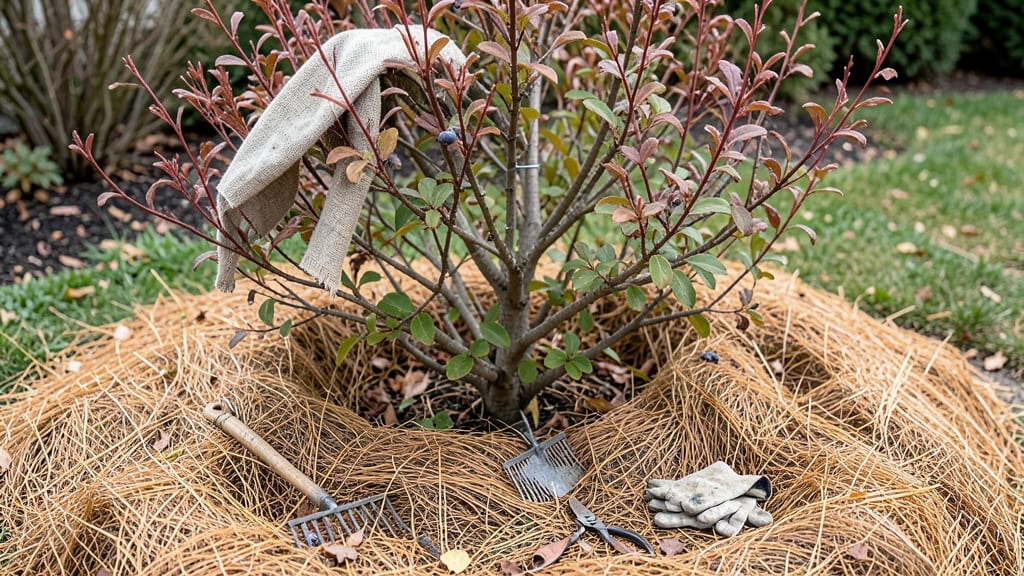
Winterizing blueberry bushes means the difference between a thriving harvest next summer and a sad, frost-bitten shrub. 🌿 I’ve seen firsthand how a little prep in late fall can turn a struggling bush into a powerhouse—one that produces jump-started growth by spring.
The secret isn’t complicated: it’s about protecting the roots, shaping the canopy, and shielding tender parts from harsh winds.
Start with pruning—not too late in the season, but not too early either. Cut back any dead or crossing branches, and thin out some of the older stems to encourage new, vigorous growth.
Then, pile on 4-6 inches of mulch (straw or pine needles work best) around the base, but keep it a few inches away from the trunk to avoid rot. This insulation keeps the soil temperature stable and roots from heaving out of the ground.
For colder climates (Zones 4-6), wrap the entire bush in burlap or frost cloth after the ground freezes but before heavy snow falls. This extra layer traps warmth and prevents frost cracks.
Even in milder zones, a light dusting of mulch over the roots adds an extra shield against sudden freezes. By spring, your bushes will be ready to burst into leaf—stronger, healthier, and primed for fruit.
Don’t overlook the little details: water deeply before the ground freezes to ensure the roots stay hydrated, and avoid fertilizing in late fall, which can encourage tender new growth that won’t survive winter.
With these steps, your blueberries will come back year after year—rewarding you with buckets of berries for decades.
📚 In This Guide
- What you need
- Instructions
- Tips and common mistakes
- Wrapping up and next steps
What you need
- ● Pruning shears or loppers – Sharp, clean, and sterilized (70% rubbing alcohol or bleach solution).
- ● Organic mulch – 4–6 inches of pine straw, shredded leaves, or straw (avoid cedar chips—too acidic!).
- ● Burlap or frost cloth – Lightweight but breathable, enough to wrap around young or tender bushes (1–2 bushes per 5x6 ft sheet).
- ● Garden twine or wire – For securing wraps (if needed).
- ● Garden hose with spray nozzle – For a final deep watering before freezing temps hit.
- ● Gloves and long sleeves – Protection from thorns and cold while working!
- ● Anti-desiccant spray – Like Wilt-Pruf, to prevent leaf burn in dry winter air.
- ● Row covers or bubble wrap – For extra insulation in Zone 5 or colder.
- ● Compost or aged manure – A light top-dressing before mulching boosts soil nutrients.
- ● Soil thermometer – To monitor ground temps if you’re in a marginal hardiness zone.
Step-by-Step instructions for winterizing blueberry bushes
Here's the foolproof method I use to protect my blueberry bushes through harsh winters and set them up for bigger harvests next year.
❄️ Step 1: Prune for Health and Structure
Start by removing any dead, diseased, or crossing branches using clean, sharp pruners. I always cut back to a healthy bud or branch—never leave stubs. Focus on opening the center of the bush to improve airflow, which prevents fungal issues that thrive in damp winter conditions.
Thin out any weak, spindly growth that won't survive winter. You'll know you've done enough when you can see light filtering through the center. Prune in late fall, about 4-6 weeks before the first hard frost, so the bush can heal before winter sets in.
🌿 Step 2: Mulch Heavily Around the Base
Spread 4-6 inches of organic mulch—like shredded leaves, straw, or wood chips—around the base of the bush, keeping it 6 inches away from the trunk. This insulates the roots from freezing temperatures. I use a mix of leaves and straw because it breaks down slowly, providing protection all winter.
Avoid piling mulch against the trunk—this can cause rot. Instead, create a slight mound around the drip line of the bush. The mulch will also suppress weeds and retain moisture for early spring growth.
🪴 Step 3: Protect the Trunk and Canes
Wrap the trunk and main canes with burlap or tree wrap to shield them from harsh winds and temperature swings. I secure it loosely with twine or strips of fabric—tight enough to stay in place but not so tight it restricts growth. This prevents sunscald, which can damage the bark in early spring.
For extra protection in extremely cold climates, add a lightweight frost blanket over the entire bush, securing it with stakes. Leave the top open so snow can accumulate naturally—snow acts as an excellent insulator. Check occasionally to ensure the blanket isn’t trapping too much moisture.
☀️ Step 4: Water Deeply Before the Ground Freezes
Give the bush a deep watering about 2 weeks before the first hard frost. This ensures the roots are hydrated and can draw moisture as needed through the winter. The soil should be moist 6-8 inches deep—you can check this by inserting a screwdriver into the ground.
Avoid overwatering, which can lead to root rot. If your area gets heavy snowfall, the moisture from melting snow will supplement this watering. In drier climates, you might need to water lightly once or twice during winter if there’s no snow.
⏰ Step 5: Monitor and Adjust as Needed
Check your blueberry bushes once a month during winter to ensure the mulch and wraps are still in place. If heavy snow accumulates, gently brush it off the branches to prevent breakage. I also look for signs of pests or rodents—if you see any, address them immediately to avoid winter damage.
In early spring, before new growth appears, remove the wraps and frost blanket. This prevents the bush from overheating as temperatures rise. Once the soil thaws, add a slow-release fertilizer to give the bush a nutrient boost for the growing season ahead.
Tips & tricks for winterizing blueberry bushes
Winterizing your blueberry bushes doesn't have to be complicated—these key strategies will help you avoid common mistakes and ensure your plants thrive next season.
Timing is Everything: The 4-6 weeks before the first hard frost window in Step 1 is critical for pruning. I learned this the hard way—if you prune too late, the bush won't have enough time to heal before winter sets in. Check your local frost date and work backward to schedule your pruning. For extra peace of mind, set a reminder in your phone for that exact date.
Mulch Selection Matters: When choosing between shredded leaves, straw, or wood chips for your 4-6 inches of organic mulch in Step 2, consider your climate. In wetter areas, straw breaks down more slowly and prevents compaction. In drier regions, wood chips retain moisture better. I always mix materials to balance both benefits. Avoid using fresh grass clippings—they can mat down and trap moisture against the trunk, encouraging rot.
Wrap Like a Pro: For Step 3, when wrapping your trunk and canes with burlap or tree wrap, think of it like putting on a cozy sweater—it needs to be snug but not tight. I use twine to secure the wrap loosely, allowing room for the bush to grow. In windy areas, add a second layer of wrap or use a heavier-duty material. Pro tip: Leave the bottom few inches of the trunk unwrapped to prevent moisture buildup at the soil line.
Deep Watering Check: Before that 2 weeks before the first hard frost deep watering in Step 4, test your soil moisture by inserting a screwdriver into the ground. If it goes in easily, your soil is already moist enough. If it resists, water deeply until the soil is saturated to 6-8 inches deep. In clay soils, you might need to water twice—once before and once after the first frost—to ensure proper hydration through winter.
Pro Tips for Winterizing Blueberry Bushes
- Winterizing your blueberry bushes doesn't have to be complicated—these key strategies will help you avoid common mist...
- Timing is Everything: The 4-6 weeks before the first hard frost window in Step 1 is critical for pruning. I learned t...
- Mulch Selection Matters: When choosing between shredded leaves, straw, or wood chips for your 4-6 inches of organic m...
Frequently asked questions
Got questions about winterizing your blueberry bushes? You’re not alone!
Here are answers to the most common concerns to help you prep like a pro and keep your bushes thriving through the cold months.
When is the best time to winterize blueberry bushes?
Winterize your bushes after the first hard frost but before consistently freezing temperatures (typically late fall to early winter, depending on your zone). This timing ensures the plant is dormant but still protected from sudden cold snaps. In warmer climates (zones 7-9), you may wait until December.
Do I need to cover blueberry bushes in winter?
Yes, especially in zones 5 and colder! Use breathable materials like straw, burlap, or frost cloth to insulate the roots and crown. Avoid plastic—it traps moisture and can suffocate the plant. For extra protection, mound soil or mulch around the base (6–8 inches deep) to shield roots from freezing.
What if my blueberry bushes are already damaged by frost?
Don’t panic! Prune back dead or blackened canes in early spring (after last frost) to encourage new growth. If the roots are exposed or heaved from freeze-thaw cycles, gently rebury them with soil and mulch heavily. Avoid over-pruning—healthy canes will bounce back with proper care.
Can I winterize blueberry bushes without mulch?
Mulch is ideal, but if you’re short on materials, try these alternatives:
- Straw or hay: Spread 4–6 inches around the base (avoid fresh hay—it can mold).
- Pine needles: Great for acid-loving blueberries and slow to decompose.
- Leaves: Shredded leaves work, but avoid dense mats that trap moisture.
- Gravel or rocks: Only for dry climates—they don’t insulate well but can help in mild freezes.
For severe winters, combine mulch with a protective cover (like a cardboard box) over the crown.
Why are my blueberry bushes dying after winter?
Common culprits include:
- Overwatering: Wet roots in cold soil suffocate plants. Reduce watering in late fall/winter.
- Poor drainage: Heaving roots or soggy soil? Amend with compost and ensure slopes direct water away.
- Pest damage: Mice or voles chew bark in winter. Wrap trunks with hardware cloth for protection.
- Fungal issues: Moldy mulch or wet foliage can cause rot. Remove debris and improve airflow.
If canes are mushy or black, prune them out and treat with copper fungicide in spring.
Wrapping up and next steps
Winterizing your blueberry bushes is a small but mighty step toward a bountiful harvest next season! 🌱 By protecting them from harsh winter conditions, you’re ensuring healthier plants, stronger growth, and juicier berries in the spring.
Now that you’re armed with the right techniques and tips, it’s time to roll up your sleeves and give your bushes the care they deserve.
Ready to tackle the task? Start by gathering your supplies—then follow the steps with confidence. Your future self (and your taste buds!) will thank you. Happy winterizing! ❄️🍇