
Pests and Diseases
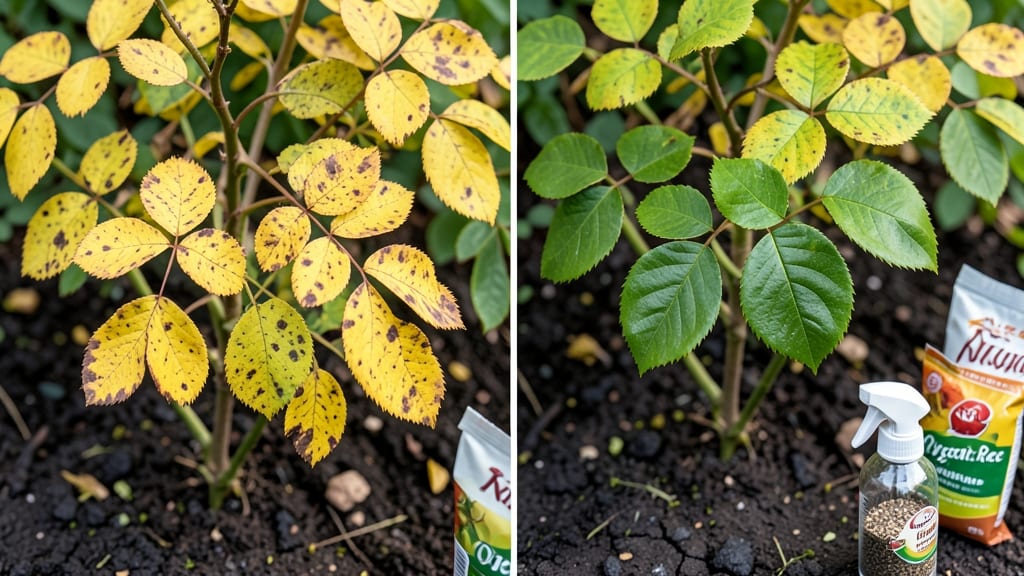
Your rose bush leaves turning yellow and falling off isn't just a summer nuisance—it's a cry for help from roots drowning in soggy soil. 🌿 I've nursed back more roses than I'd like to admit, and the #1 culprit?
Overwatering that turns soil into a suffocating swamp. The good news? Aerated soil and a few simple fixes can bring your roses roaring back to life.
Root rot starts quietly—yellowing leaves, then wilting, then the dreaded leaf drop. But here's the thing: it's often not just about water. Fungal diseases like black spot, nutrient deficiencies, or even compacted soil can mimic these symptoms.
The key is checking the roots first—healthy roots should be firm and light brown, not mushy or black. If you see that, we're dealing with root rot.
By the time you're done with this fix, your roses will be putting out fresh green leaves within 2-3 weeks. The secret? Improving drainage, adjusting watering habits, and giving those roots room to breathe. No more guessing games—just actionable steps that actually work, even for roses that looked hopeless.
Whether you're dealing with a single bush or a whole garden, these fixes adapt easily. The worst part? Most gardeners overlook the soil when the leaves are the first to show trouble. Let's change that—your roses deserve better than yellow leaves.
Root Causes Behind Yellowing Leaves
When your rose bush leaves start turning yellow and dropping prematurely, it’s often a cry for help from the plant itself. Understanding the root causes (literally and figuratively) is the first step to reviving your roses.
Below, we break down the most common reasons—backed by science—and what they mean for your plant’s health.
Roses thrive in well-drained soil, but when they sit in soggy conditions, their roots suffocate. Overwatering or compacted, clay-heavy soil traps excess moisture, leading to root rot (often caused by Phytophthora fungi or Pythium).
- How it happens: Roots deprived of oxygen can’t absorb nutrients, causing leaves to yellow (chlorosis) and drop. The edges may turn brown or crispy.
- Tell-tale signs:
- Mushy, blackened roots when dug up.
- Leaves yellowing from the bottom up.
- Stems that wilt even when soil is wet.
- Science note: Anaerobic conditions (no oxygen) trigger the release of ethylene gas, a plant stress hormone that accelerates leaf drop.
Fix: Improve drainage by amending soil with perlite, sand, or compost. Space waterings and avoid letting roses sit in saucers or low spots.
Roses are tough, but heatwaves or cold snaps can shock them into dropping leaves. High temperatures (>90°F/32°C) combined with dry soil cause transpiration stress, while sudden freezes damage cell membranes.
- How it happens:
- Heat stress: Soil dries out, roots can’t pull up water, and leaves scorch (yellow/brown edges).
- Cold damage: Frost cracks cells, leading to water-soaked yellow patches that turn brown.
- Tell-tale signs:
- Leaves yellow uniformly (not just old ones).
- Wilting even when soil is moist (heat stress).
- Blackened leaf tips or edges (freeze damage).
- Science note: Heat stress triggers abscisic acid (ABA), a hormone that signals leaves to detach to conserve water.
Fix: Provide afternoon shade in summer, mulch to retain moisture, and protect roses from frost with burlap wraps or row covers.
Tiny pests sap-sucking insects like aphids or spider mites drain nutrients, causing leaves to yellow, curl, and drop. Rose slugs (sawfly larvae) chew on foliage, leaving behind skeletonized leaves.
- How it happens:
- Aphids/mites: Inject toxins that disrupt chlorophyll production, leading to yellow stippling.
- Rose slugs: Defoliation stresses the plant, causing rapid leaf drop.
- Tell-tale signs:
- Sticky residue (honeydew) on leaves (aphids).
- Fine webbing (spider mites).
- Ragged holes in leaves (rose slugs).
- Science note: Pests trigger systemic acquired resistance (SAR), but severe infestations overwhelm the plant’s defenses, leading to nutrient deficiency symptoms.
Fix: Blast pests off with water, use neem oil, or introduce ladybugs (natural predators). Remove heavily infested leaves.
Fungal diseases like black spot (Diplocarpon rosae) or powdery mildew (Sphaerotheca pannosa) thrive in humid conditions, causing yellowing and premature leaf drop.
- How it happens:
- Black spot: Dark spots with yellow halos block sunlight, starving leaves of energy.
- Powdery mildew: White fungal growth clogs stomata, preventing gas exchange.
- Tell-tale signs:
- Black spots with yellow rings (black spot).
- White powdery coating on leaves (mildew).
- Leaves yellow between veins (iron deficiency-like symptoms).
- Science note: Fungi disrupt photosynthesis by damaging chloroplasts, leading to chlorophyll breakdown (chlorosis).
Fix: Prune infected leaves, space plants for airflow, and apply copper fungicide or baking soda spray (1 tsp baking soda + 1 quart water + drop of soap).
Yellowing leaves can signal nutrient deficiencies, often due to poor soil or imbalanced fertilizers. Each deficiency targets different leaf areas:
| Deficiency | Yellowing Pattern | Cause |
|---|---|---|
| Nitrogen (N) | Older leaves turn pale yellow, then brown. | Soil lacks organic matter or over-fertilized with phosphorus/potassium. |
| Iron (Fe) | Young leaves yellow between veins (chlorosis). | Alkaline soil (pH >7.0) locks out iron. Common in clay soils. |
| Magnesium (Mg) | Yellow patches between veins on older leaves. | Poor soil structure or overuse of potassium fertilizers. |
Science note: Chlorophyll requires iron and magnesium as central atoms; deficiencies halt its production.
Fix:
- Test soil pH (aim for 6.0–6.5 for roses).
- Add chelated iron or Epsom salt (for magnesium).
- Use a balanced fertilizer (e.g., 10-10-10) in spring.
Revive Your Roses Step by Step
When your rose bush leaves are turning yellow and dropping, it’s time to roll up your sleeves and take action! The good news? Most causes have simple, effective fixes—whether it’s improving drainage, adjusting care, or treating pests.
Below, we’ll break down practical solutions tailored to each root cause, plus tips to keep your roses thriving long-term.
---
If your roses are drowning in soggy soil, root rot could be the culprit. Yellowing leaves and wilting stems are classic signs of this silent killer.
How to Fix It: 1. 🌱 Stop Watering Immediately - Let the top 2–3 inches of soil dry out completely before watering again. Stick your finger in the soil—if it’s damp, wait.
2. 🔪 Prune Damaged Roots & Leaves - Use sterilized pruners to trim away blackened, mushy roots and yellowed leaves. Healthy green stems should remain.
3. 🏗️ Improve Soil Drainage - Amend the soil with: - 50% perlite or coarse sand (to break up clay) - 30% compost (for nutrients) - 20% aerated soil mix (like coco coir or peat moss) - Raise the plant slightly by mounding soil or using a grow bag if drainage is chronically poor.
4. 💧 Water Smarter - Water deeply but infrequently—aim for 1–1.5 inches per week (including rain). - Use a soaker hose or drip irrigation to avoid wetting foliage (which spreads disease).
💡 Prevention Tip: Install French drains or gravel layers around the base if your garden floods easily. Mulch with wood chips (2–3 inches deep) to retain moisture without suffocating roots.
---
Yellow leaves can also signal nutrient starvation, especially if they’re pale yellow (not brown) and new growth is weak.
How to Fix It: 1. 📊 Soil Test First - Grab a DIY soil test kit ($10–$20) to check pH and nutrient levels. Roses prefer slightly acidic soil (6.0–6.5).
2. 💪 Fertilize Correctly - **For nitrogen deficiency (yellow lower leaves): - Apply a balanced rose fertilizer** (10-10-10 or 5-10-5) or fish emulsion (high in nitrogen). - **For magnesium/iron deficiency (yellow between veins): - Sprinkle Epsom salt (1 tbsp per gallon of water) every 2 weeks. - Use chelated iron for quick uptake.
3. 🍎 Boost Organic Matter - Mix in compost or worm castings around the root zone (avoid piling against the stem). - Top-dress with alfalfa meal (for nitrogen) or kelp meal (for micronutrients).
✨ Pro Tip: Avoid over-fertilizing! Burnt tips on leaves mean too much salt—flush the soil with water if this happens.
---
Fungal infections thrive in humid, shaded conditions, causing yellowing and leaf drop.
How to Fix It: 1. 🧼 Clean Up Debris - Remove all fallen leaves and stems** (fungi hibernate in organic matter). Bag and trash them—don’t compost!
2. 🌿 Improve Airflow - Prune to open the center of the bush (roses need 6–8 hours of sunlight/day). - Space plants 3–4 feet apart to reduce humidity.
3. 💊 Apply Fungicides - Preventative spray: Mix 1 tsp baking soda + 1 tbsp oil + 1 tsp soap per gallon of water. Spray weekly (especially undersides of leaves). - For severe cases: Use neem oil or copper fungicide (follow label rates).
4. 🌡️ Adjust Watering Habits - Water early in the morning (not at night) to let foliage dry. - Avoid overhead sprinklers—use drip irrigation instead.
🎯 Prevention Tip: Plant resistant rose varieties (e.g., ‘Knock Out’ roses) and interplant with garlic or chives (natural fungicides!).
---
Sap-sucking pests like aphids, spider mites, or Japanese beetles drain nutrients, causing yellowing leaves.
How to Fix It: 1. 🕵️♂️ Identify the Culprit - Aphids: Sticky residue (honeydew) on leaves. - Spider mites: Tiny webs on undersides. - Beetles: Chewed leaves with skeletonized edges.
2. 🚿 Blast Them Off - Strong spray: Use a hose nozzle to dislodge pests (aphids hate water!). - Soap spray: Mix 1 tsp mild dish soap + 1 quart water and spray directly on pests (reapply every 3–5 days).
3. 🐞 Introduce Beneficial Predators - Ladybugs (eat aphids) or praying mantises (devour beetles). Buy them online or attract them with dill or fennel plants.
4. 🛡️ Use Physical Barriers - Floating row covers (for beetles) or sticky traps (for flying pests).
💡 Prevention Tip: Neem oil (applied every 2 weeks) deters pests and prevents fungal growth—win-win!
---
Once you’ve treated the issue, prevent recurrence with these habits: - Prune annually in late winter/early spring to improve airflow. - Mulch properly (2–3 inches of wood chips, not plastic). - Rotate fertilizers to avoid nutrient lockout (e.g., switch between organic and synthetic). - Monitor regularly—catch problems early with weekly leaf inspections.
--- Remember: Roses are tough! With the right care, your bush will bounce back—and next season, it’ll be vibrant and disease-resistant. 🌹💪
Frequently asked questions
Why do rose leaves turn yellow from the bottom up?
This classic pattern usually signals root rot or nutrient deficiency. When roots suffocate from overwatering or compacted soil, they can't absorb nutrients, causing older leaves (furthest from the roots) to yellow first. Check for mushy, blackened roots—if present, you're dealing with root rot. For nutrient issues, yellowing often starts with older leaves when nitrogen is lacking.
Can I save my rose bush if the leaves are already falling off?
Yes! Act fast by pruning damaged leaves and improving soil drainage. For root rot, stop watering immediately and amend soil with perlite or sand. If it's nutrient-related, apply Epsom salt (for magnesium) or a balanced fertilizer. With proper care, new growth should appear in 2-3 weeks. The key is catching it early before the whole plant weakens.
How do I tell if my rose bush has root rot vs. a nutrient deficiency?
Check the roots first: root rot shows mushy, blackened roots, while healthy roots are firm and light brown. For leaves, root rot causes yellowing from the bottom up with crispy edges, while deficiencies create specific patterns—like yellow between veins for iron/magnesium or uniform pale yellow for nitrogen. Test your soil pH too—alkaline soil (>7.0) often locks out iron.
Will pruning help if my rose leaves are already yellow and falling?
Prune only the damaged leaves—never more than 1/3 of the plant at once. Focus on removing yellowed, diseased, or dead foliage to redirect energy to healthy growth. Sterilize your pruners with rubbing alcohol between cuts to prevent spreading fungal spores. This won't fix the root cause, but it helps the plant recover faster while you address watering or nutrient issues.
How often should I water my roses to prevent yellow leaves?
Water deeply but infrequently—aim for 1-1.5 inches per week (including rain). Let the top 2-3 inches of soil dry out between waterings. Morning watering is best to prevent fungal growth. Avoid wetting leaves when possible—use drip irrigation or soaker hoses instead of overhead sprinklers. Overwatering is the #1 cause of root rot and yellowing leaves.