
Diseases
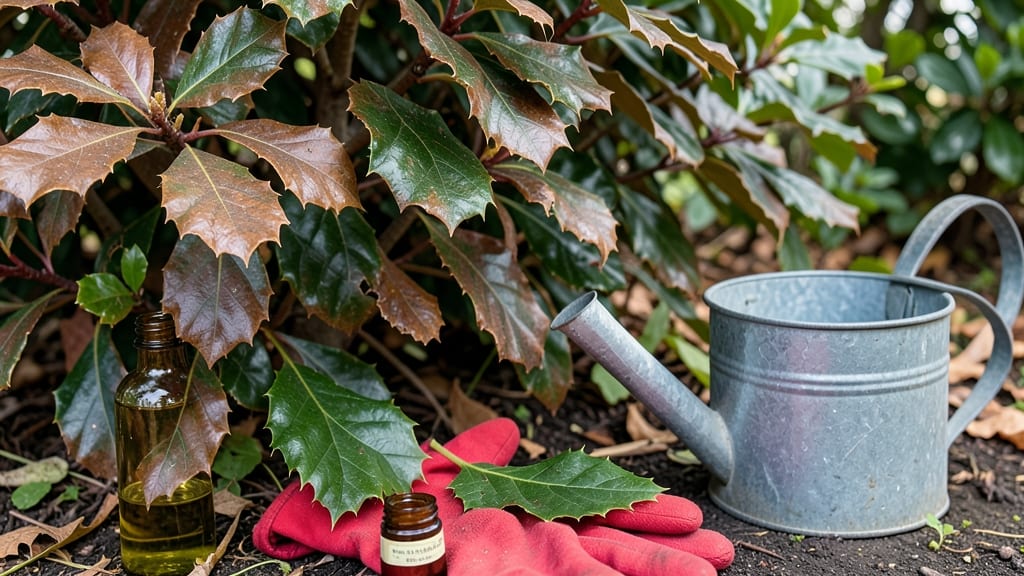
Your holly bush leaves turning brown might be screaming for calcium—this simple eggshell spray saved mine from looking like a crispy autumn display. 🌿 The problem isn’t always what you think: drought, pests, or fungal diseases often get blamed first, but calcium deficiency shows up as those telltale brown edges and stunted growth.
I learned the hard way that holly bushes need more than just water and sunlight—they’re picky about soil pH and nutrients. My bush went from leggy and sad to vibrant and bushy in just 6 weeks after I started using crushed eggshells and a homemade spray.
The fix is cheaper than you’d expect and works faster than store-bought remedies. You’ll spot the difference in new growth: bright green leaves that stay firm, not brittle. The spray also strengthens stems so they don’t snap in wind or snow. Best part?
It’s a one-time fix that keeps working season after season with minimal effort. Works for both American and English holly varieties, and the method doubles as a pest deterrent. Let’s get your bush back to its glossy, healthy self—without the guesswork.
Understanding The Root Causes
When your holly bush leaves start turning brown, it’s often a cry for help from the plant itself. Understanding the why behind these changes is the first step toward reviving your shrub’s vibrant green.
Below, we break down the most common culprits—each with a clear scientific explanation and actionable insights to help you diagnose the issue accurately.
---
Holly bushes thrive in consistent moisture but are highly sensitive to watering extremes. Brown leaves often signal hydration imbalances, which can stem from:
- Overwatering (Root Rot Risk) - Holly bushes hate soggy soil. When roots sit in waterlogged conditions, they suffocate, cutting off oxygen and nutrients.
This triggers oxidative stress, causing leaves to turn brown and crispy at the edges. - Signs: Yellowing between veins, mushy stems, or a foul smell near the base. - Fix: Let the top 2 inches of soil dry out between waterings.
Improve drainage by amending soil with perlite or sand and ensuring pots (if applicable) have drainage holes.
- Underwatering (Drought Stress) - Brown, dry leaves that feel papery or brittle are a classic sign of thirst. Holly bushes prefer well-drained but consistently moist soil.
When deprived, they enter survival mode, shedding leaves to conserve water. - Signs: Wilting, curled edges, or leaves that crumble easily. - Fix: Water deeply 1–2 times per week (adjust for climate). Mulch with 2–3 inches of organic matter (like shredded bark) to retain moisture.
- Temperature & Wind Burn - Holly bushes are tender to cold snaps (below 10°F) and scorching summer sun.
Sudden temperature swings or dry, hot winds can cause desiccation, where leaves lose moisture faster than they can absorb it. - Signs: Brown patches on exposed leaf edges, especially on the bush’s windward side. - Fix: Provide afternoon shade in extreme heat and windbreaks (like burlap or evergreen screens) in winter.
Water deeply before cold snaps to hydrate plant tissues.
---
Holly bushes are heavy feeders, and brown leaves can indicate mineral imbalances. The most critical deficiency linked to browning is calcium, but others play a role too:
- Calcium Deficiency (Blossom End Rot’s Leafy Cousin) - Calcium is essential for cell wall structure. Without enough, leaves develop necrotic (dead) spots, often starting at the tips or along veins.
This is especially common in acidic or compacted soils. - Signs: Brown, leathery patches on newer leaves; stunted growth. - Fix: Apply a calcium-rich spray (like crushed eggshell tea—see our fix!) or gypsum (calcium sulfate) to the soil. Test soil pH; aim for 5.5–6.5.
- Magnesium or Iron Deficiency (Chlorosis Strikes) - Brown yellowing between veins (especially on older leaves) may signal magnesium deficiency, while yellowing with green veins points to iron deficiency (common in alkaline soils). - Fix: Use Epsom salt (magnesium sulfate) or chelated iron supplements in water.
For alkaline soil, add sulfur or peat moss to lower pH.
- Potassium Shortage (Weakened Resilience) - Potassium helps regulate water and nutrient transport. A deficiency leads to weak, brown leaf edges and poor cold hardiness. - Fix: Use a balanced fertilizer (10-10-10) or wood ash (sparingly) to boost potassium.
---
Brown leaves aren’t always about water or nutrients—pests and pathogens can silently drain your holly’s vitality. Here’s what to watch for:
- Spider Mites & Scale Insects - These sap-sucking pests leave behind stippled, brown leaves and webbing.
They thrive in dry conditions, weakening the plant’s ability to photosynthesize. - Signs: Tiny dots on leaves, white webbing, or sticky residue (honeydew) on stems. - Fix: Blast off mites with a strong water spray, then treat with neem oil or insecticidal soap.
Release predatory mites for long-term control.
- Fungal Infections (Anthracnose or Leaf Spot) - Fungi like anthracnose cause brown, sunken spots with yellow halos.
Wet foliage and poor airflow invite these invaders. - Signs: Spots that darken and drop out, often on lower leaves. - Fix: Prune for air circulation, avoid overhead watering, and apply copper fungicide preventatively.
- Holly Leaf Miner - The larvae of this pest tunnel through leaves, creating blotchy brown trails. Infested leaves may crisp and drop prematurely. - Fix: Handpick heavily damaged leaves and spray with Bacillus thuringiensis (Bt) during larval stages.
---
Holly bushes love acidic soil (pH 5.5–6.5). When conditions stray too far from this range, nutrient uptake fails, leading to brown leaves:
- Alkaline Soil (pH > 7.0) - In high-pH soil, essential nutrients like iron and manganese become locked and unavailable. Leaves turn brown while veins stay green (interveinal chlorosis). - Fix: Lower pH with elemental sulfur, pine needles, or peat moss. Test soil annually.
- Compacted or Poor-Draining Soil - Roots struggle in dense, clay-heavy soil, leading to oxygen deprivation and nutrient starvation. Brown leaves may appear stunted or cupped. - Fix: Amend soil with compost or coconut coir to improve aeration. For containers, repot with well-draining potting mix.
--- Pro Tip: 💡 Before treating, snap a close-up of the browned leaves and compare it to the signs above. This helps narrow down the exact cause—saving you time and guesswork!
Revive Your Holly Bush Leaves
Now that you understand why your holly bush leaves are turning brown—whether due to calcium deficiency, fungal infections, environmental stress, or pests—it’s time to take action. The good news?
Most issues are fixable with the right approach. Below, we’ve mapped out practical, step-by-step solutions tailored to each cause, plus prevention tips to keep your holly bush thriving.
---
If your holly bush is suffering from calcium deficiency (often called "blossom end rot" in leaves), here’s how to restore balance:
#### 🔥 Step 1: Prepare the Eggshell Spray Calcium-rich eggshells are a natural, budget-friendly remedy. Crush 1 cup of clean, dried eggshells into a fine powder (blend or grind them).
Boil the shells in 4 cups of water for 30 minutes, then strain the liquid. Let it cool completely.
#### 🍳 Step 2: Mix with Water & Spray Dilute the eggshell tea with 1 gallon of water (1:4 ratio). Add 1 tsp of liquid seaweed fertilizer (optional, for extra nutrients). Transfer to a spray bottle for easy application.
#### 👨🍳 Step 3: Apply to Leaves & Soil - Foliar spray: Lightly mist the undersides of leaves (where calcium is absorbed fastest) in the early morning or late evening (avoid direct sunlight). - Soil drench: Pour the remaining mixture around the base of the plant to boost root uptake. - Frequency: Repeat once every 2 weeks until new growth appears (usually 4-6 weeks).
#### 🌡️ Pro Tip: - Test your soil’s pH (ideal for hollies: 5.0–6.0). If it’s too alkaline, calcium absorbs poorly—amend with sulfur if needed. - Avoid overwatering—calcium leaches away in soggy soil. Water deeply but infrequently.
---
If brown spots, powdery white residue, or yellowing signal a fungal issue, act fast:
#### 🔪 Step 1: Prune & Remove Infected Leaves - Sterilize pruners with rubbing alcohol before cutting. - Snip off brown or spotted leaves and dispose of them in the trash (not compost). - Thin out dense foliage to improve airflow (fungi love humidity).
#### 🌧️ Step 2: Apply Fungicide (Natural or Store-Bought) | Option | How to Use | Frequency | |--------------------------|-------------------------------------------------------------------------------|------------------------| | Neem Oil Spray | Mix 1 tbsp neem oil + 1 tsp mild soap + 1 quart water.
Spray evenly. | Every 7–10 days | | Baking Soda Solution | Dissolve 1 tbsp baking soda + 1 tsp oil + 1 gallon water.
Spray undersides. | Every 2 weeks | | Copper Fungicide | Follow label instructions for preventative treatment. | Every 2–4 weeks |
#### ✨ Pro Tip: - Water at the base (not overhead) to keep leaves dry. - Avoid wetting foliage in the late afternoon (promotes fungal growth).
---
Brown, crispy edges or drooping leaves often mean your holly is stressed by water or light issues:
#### 💧 Step 1: Adjust Watering Habits | Issue | Fix | |-------------------------|------------------------------------------------------------------------| | Drought Stress | Water deeply 1–2 times per week (check soil 2 inches down—it should be slightly moist). | | Overwatering | Let soil dry out between waterings.
Improve drainage with organic mulch (2–3 inches). | | Sun Scorch | Provide afternoon shade (use shade cloth or plant near a wall). Move potted hollies to a sheltered spot. |
#### 🌡️ Pro Tip: - Mulch properly: Use pine straw or shredded bark to retain moisture without suffocating roots. - Avoid sudden changes: If relocating your holly, acclimate it gradually (move it 1–2 hours closer to shade over a week).
---
Tiny pests sap nutrients, causing brown, sticky, or curled leaves:
#### 🕷️ Step 1: Identify & Remove Pests - Spider mites: Look for fine webbing on undersides. - Scale/aphids: Check for sticky residue (honeydew) or small bumps. - Handpick large infestations or blast off with water (use a hose on a gentle setting).
#### 🌿 Step 2: Apply Natural Pest Control | Pest | Solution | |----------------|-----------------------------------------------------------------------------| | Spider Mites | Spray with water + 1 tsp dish soap (repeat weekly). | | Scale/Aphids | Dab with rubbing alcohol on a cotton swab or use horticultural oil. | | General Infestation | Neem oil spray (mix 2 tbsp neem + 1 tsp soap + 1 quart water). |
#### 🎯 Pro Tip: - Encourage beneficial insects: Plant marigolds or lavender nearby to attract ladybugs and lacewings. - Inspect new plants before bringing them home (quarantine for 2 weeks).
--- Once your holly bush recovers, keep it thriving with these easy maintenance habits:
✅ Soil Care: - Test soil every 2 years (calcium, pH, and nutrient levels matter). - Amend with compost in spring for slow-release nutrients.
✅ Watering Wisdom: - Morning watering prevents fungal growth. - Use drip irrigation for consistent moisture (avoids runoff).
✅ Pruning & Airflow: - Prune in late winter (before new growth) to remove deadwood. - Space plants 3–5 feet apart for airflow.
✅ Fertilizer Strategy: - Use a balanced fertilizer (10-10-10) in early spring. - Avoid high-nitrogen fertilizers (they burn roots and attract pests).
✅ Seasonal Checkups: - Fall: Apply mulch and fungicide spray (preventative). - Winter: Protect from salt spray (if near roads) with a light burlap wrap.
--- By following these targeted fixes, your holly bush should bounce back with vibrant green leaves in no time. 🌱 Most issues are reversible—don’t wait until it’s too late!
Start with the eggshell spray for calcium issues, neem oil for pests, and proper watering for stress relief. Your holly will thank you with lush, healthy growth for years to come.
Frequently asked questions
Why do holly bush leaves turn brown in patches instead of all at once?
Patchy browning usually signals a localized issue like fungal infection (e.g., anthracnose) or pest damage. Fungal spots often have yellow halos, while spider mites create stippled brown areas with webbing. Check leaf undersides for tiny pests or remove affected leaves to diagnose.
Can I save my holly bush if the brown leaves are already crispy and falling off?
Yes! Focus on the roots and new growth. Prune dead leaves, adjust watering (deep but infrequent), and apply a calcium-rich eggshell spray. The plant can regenerate from healthy stems—just stop stressing it further. New leaves should emerge green in 4-6 weeks if the cause is addressed.
How often should I apply the eggshell spray for calcium deficiency?
Start with a weekly application for 2 weeks, then reduce to every 2 weeks until you see new growth. The spray works best when applied to undersides of leaves in the morning. For containers, also pour the mixture into the soil. Stop when leaves stay consistently green for a month.
Will my holly bush recover if I only treat the brown leaves instead of the whole plant?
No—treat the entire plant for best results. Brown leaves are symptoms, not the root cause. Focus on soil health, watering habits, and pest prevention across all foliage. Spot treatments may temporarily improve appearance but won't fix underlying issues like nutrient deficiencies or fungal spread.
Can I use coffee grounds to fix brown holly leaves?
Coffee grounds can help with acid-loving plants by lowering soil pH, but they won't directly address browning caused by calcium deficiency or pests. Use them sparingly (1 cup per plant every 3 months) mixed into soil. For brown leaves, prioritize the eggshell spray or neem oil first.