
Diseases
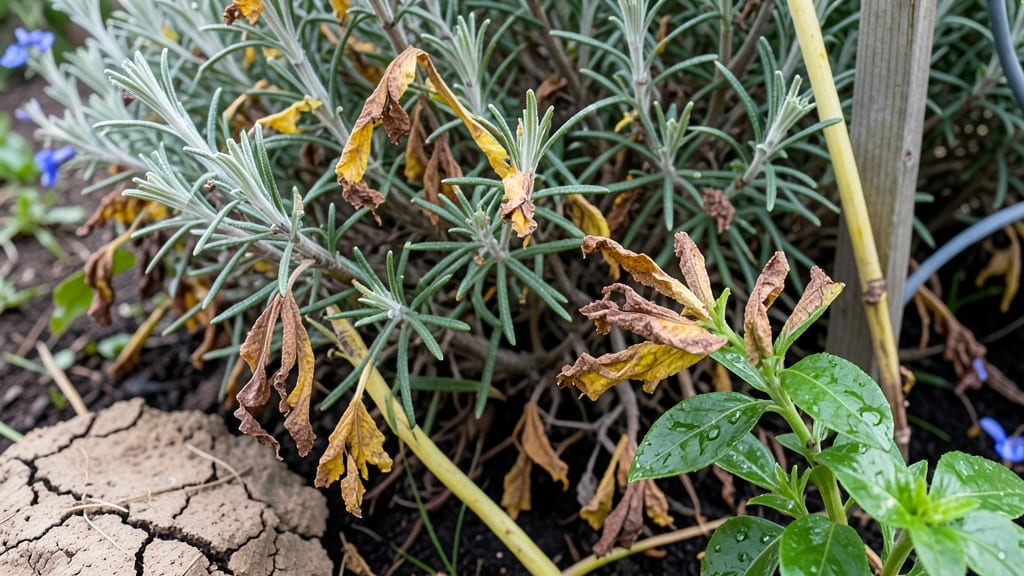
Your rosemary bush turning brown isn’t a death sentence—it’s a call for action. 🌿 I’ve nursed back more than my share of crispy rosemary, and the secret lies in three simple ingredients that work faster than you’d think.
The key is identifying whether it’s thirst, overindulgence, or something sneaky like pests or disease. Most browned rosemary suffers from overwatering—those woody stems can’t handle soggy roots. But before you panic, check the soil: if it’s dry 1-2 inches down, your plant’s actually thirsty.
Pests like spider mites or fungal issues (like root rot) also turn leaves brown, but they leave telltale signs: webs, spots, or a foul smell. Mix 1 part hydrogen peroxide (3%), 1 part water, and a pinch of sugar (yes, sugar!) to revive stressed roots and deter pests.
Drench the soil weekly for two weeks, then cut back dead stems at the base. Within 3-4 weeks, you’ll see fresh green growth pushing through. This works for potted or in-ground rosemary, even in drought-prone zones.
The same fix saves struggling lavender too—just adjust the water ratio for your climate. Let’s bring your bush back to life!
Root Causes Of Browning
When your rosemary bush starts turning brown, it’s often a cry for help from the plant itself. 🌿 Understanding the underlying reasons is the first step toward reviving its vibrant green.
Below, we break down the most common causes—each with a clear scientific explanation and actionable insights to help you diagnose the issue accurately.
Rosemary is a drought-tolerant Mediterranean herb, meaning it thrives in well-drained soil with minimal moisture. When soil stays soggy for too long, roots suffocate due to a lack of oxygen, leading to root rot—a fungal infection that cuts off nutrient and water uptake.
This stress causes leaves to yellow first, then brown and crisp as cells die from dehydration.
🔍 How to spot it:
- Wilted, drooping stems that don’t perk up after watering
- Mushy, discolored roots when inspected (brown/black instead of firm white)
- Brown patches starting at the base of the plant
💡 Fix it: Let the soil dry out completely between waterings (stick your finger 2 inches deep—if it’s damp, wait). Amend heavy or clay soil with perlite or coarse sand (20-30%) to improve aeration. If root rot is severe, trim affected roots with sterilized shears and repot in fresh, dry soil.
While rosemary dislikes soggy soil, chronic underwatering can also trigger browning. When soil dries out too much, the plant’s vascular system (xylem) struggles to transport water, leading to oxidative stress in leaf cells. This causes edges to curl, then brown as cell membranes break down.
🔍 How to spot it:
- Crispy, papery leaves that crumble easily
- Brown tips or edges (not just yellowing)
- Stems pulling away from the soil when tugged gently
💡 Fix it: Water deeply but infrequently—aim for 1 inch of water per week (more in full sun). Mulch with gravel or straw (not organic mulch, which retains moisture) to retain soil moisture without suffocating roots. If the plant is severely dehydrated, submerge the pot in water for 10-15 minutes to rehydrate.
Rosemary is sensitive to extreme temperature fluctuations and harsh winds, which can scorch leaves. Cold snaps below 20°F (-7°C) cause cold damage, where cell walls rupture and turn brown. Meanwhile, hot, dry winds increase transpiration (water loss) faster than roots can replenish it, leading to desiccation.
🔍 How to spot it:
- Brown, papery patches on exposed leaves (top or windward side)
- Leaves that feel dry and brittle to the touch
- New growth stunted or blackened at the tips
💡 Fix it:
- 🌡️ Cold damage: Move potted rosemary to a sheltered spot before frost. In zones below 7, grow rosemary in containers and bring indoors or use frost cloth.
- 💨 Windburn: Plant rosemary near a windbreak (hedge or fence) or use a lightweight shade cloth (30%) in peak afternoon sun.
For immediate relief, mist leaves lightly in the morning (avoid evening misting to prevent fungal growth).
Rosemary prefers poor, rocky soil and doesn’t need much fertilizer.
However, deficiencies in magnesium, nitrogen, or iron can cause browning. Magnesium deficiency (often called "interveinal chlorosis") turns older leaves yellow between veins before browning. Nitrogen deficiency causes overall stunted growth and pale, brownish leaves, while iron deficiency leads to yellowing with brown edges.
🔍 How to spot it:
- 📊 Magnesium: Yellow patches between veins on older leaves, progressing to brown
- 💪 Nitrogen: Slow growth + small, dark green/brown leaves
- 🍎 Iron: Yellowing leaves with brown, crispy edges (common in alkaline soil)
💡 Fix it:
- 🌱 For magnesium: Apply Epsom salt (1 tbsp per gallon of water) every 4-6 weeks. Work it into the top 2 inches of soil.
- 🌿 For nitrogen: Use a low-nitrogen fertilizer (5-10-10) sparingly—rosemary needs very little. Better yet, top-dress with compost tea for organic nutrients.
- 🔄 For iron: Acidify soil with sulfur or peat moss (aim for pH 6.0-7.0). Avoid over-fertilizing, as excess salts worsen uptake.
While rosemary is relatively pest-resistant, aphids, spider mites, and fungal diseases like powdery mildew can cause browning. Aphids sap-suck leaves, causing them to curl and turn brown. Spider mites create fine webs and leave stippled, brownish patches. Powdery mildew coats leaves in a white, powdery fungus that blocks sunlight, leading to brown, dead spots.
🔍 How to spot it:
- 🐜 Aphids: Sticky residue ("honeydew") on leaves + curled, browned edges
- 🕷️ Spider mites: Tiny webs on undersides + speckled brown leaves
- 🍄 Powdery mildew: White, powdery coating + brown, crispy leaf areas
💡 Fix it:
- 💦 Pests: Blast off aphids/spider mites with a strong spray of water. For severe infestations, use neem oil (1 tsp per quart of water) or insecticidal soap.
- 🌡️ Powdery mildew: Improve airflow by pruning crowded branches. Spray with a baking soda solution (1 tsp baking soda + 1 quart water + few drops of dish soap) weekly until cleared.
Prevent future issues by avoiding overhead watering and spacing plants 18-24 inches apart.
Now that you’ve identified the likely culprit, the next step is revival—and the good news is, rosemary is resilient! Stay tuned for our 3-ingredient rescue remedy to bring your bush back to life. 🌱✨
Reviving Your Rosemary Bush
When your rosemary bush starts turning brown, it’s often a sign that something isn’t quite right—but don’t panic! With the right approach, you can nurse it back to health and even prevent future issues.
Below are practical, step-by-step solutions tailored to the most common causes, along with prevention tips to keep your rosemary thriving.
---
If your rosemary’s leaves are turning brown and mushy, root rot may be the culprit. Rosemary hates soggy roots—it’s a Mediterranean plant that thrives in dry, well-draining soil.
#### How to Fix It: ✅ 🔪 Trim the Damage – Use clean, sharp pruners to snip off any brown, mushy stems or leaves. Cut back to healthy green growth to prevent further spread.
✅ 🌱 Repot or Improve Drainage – If your rosemary is in a container, check the drainage holes. If they’re clogged or missing, repot it in a container with better drainage (like terracotta). For in-ground plants, amend the soil with perlite, sand, or gravel to improve aeration.
✅ 💧 Adjust Watering Habits – Let the top 1-2 inches of soil dry out completely between waterings. Stick your finger in the soil—if it’s damp, wait a few more days. Water deeply but infrequently (once a week or less, depending on climate).
✅ 🌡️ Ensure Proper Airflow – Crowded plants or stagnant air can worsen moisture issues. Space your rosemary out and prune nearby plants to improve airflow.
#### 💡 Prevention Tips: - Use a well-draining potting mix (cactus/succulent mix works great). - Avoid watering on a schedule—check soil moisture first. - Group rosemary with other drought-tolerant herbs to mimic its natural habitat.
---
Brown, crispy edges on rosemary leaves often mean thirsty roots or heat stress, especially in hot, dry climates.
#### How to Fix It: ✅ 💦 Hydrate Deeply – Water the plant slowly and thoroughly until water drains from the bottom. Avoid shallow watering, which encourages shallow roots.
✅ 🌿 Mulch to Retain Moisture – Apply a 1-2 inch layer of gravel or coarse mulch (like pebbles or straw) around the base to lock in moisture and protect roots from extreme heat.
✅ 🌞 Provide Afternoon Shade – If your rosemary is in a hot, sunny spot, move it to partial shade (morning sun + afternoon shade) for a few weeks to recover. Once it perks up, you can gradually reintroduce full sun.
✅ 🍃 Trim Severely Damaged Foliage – Snip off completely brown or brittle branches to redirect the plant’s energy to new growth.
#### 💡 Prevention Tips: - Water in the early morning to reduce evaporation. - Group plants together to create a microclimate that retains humidity. - Use self-watering pots if you tend to forget watering.
---
If brown spots appear fuzzy, powdery, or accompanied by yellowing, a fungal infection may be the issue. Rosemary is generally resistant, but overly humid conditions can invite trouble.
#### How to Fix It: ✅ 🧼 Apply Fungicide – Spray with a neem oil solution (1 tsp neem oil + 1 quart water + a drop of dish soap) or a baking soda mix (1 tbsp baking soda + 1 quart water).
Reapply every 7-10 days until the issue clears.
✅ 🌿 Prune Infected Areas – Cut off any brown, spotted, or moldy growth immediately to stop the spread.
✅ ⚡ Improve Air Circulation – Thin out nearby plants and avoid overhead watering (water at the base instead).
✅ 🌡️ Adjust Humidity – If growing indoors, use a dehumidifier or place a fan nearby to keep air moving.
#### 💡 Prevention Tips: - Space plants 12-18 inches apart for better airflow. - Water in the morning so foliage dries quickly. - Avoid wetting leaves when watering.
---
If your rosemary turns brown overnight or after a freeze, cold stress is likely the cause. Rosemary is not frost-tolerant and will suffer if temperatures drop below 20°F (-7°C).
#### How to Fix It: ✅ 🏠 Move Indoors Temporarily – If possible, bring potted rosemary inside near a sunny window or under grow lights until it recovers.
✅ 🔥 Prune Dead Growth – Once the threat of frost has passed, trim back all brown, blackened stems to encourage new growth.
✅ 🌱 Protect with Mulch – If in the ground, pile mulch or straw around the base to insulate roots from future cold snaps.
#### 💡 Prevention Tips: - Grow rosemary in containers so you can move it indoors in winter. - Use frost cloth as a lightweight cover if frost is forecasted. - Plant in a sheltered spot (near a wall or fence) to trap heat.
---
Brown, brittle leaves can also signal nutrient imbalance—whether from too much fertilizer (burning roots) or not enough (weak growth).
#### How to Fix It: ✅ 🌿 Flush the Soil – If over-fertilized, water thoroughly to leach out excess salts. Let the soil dry completely before watering again.
✅ 🍽️ Feed Lightly – Rosemary doesn’t need much fertilizer. Use a balanced, diluted liquid fertilizer (like ½ strength 10-10-10) once in early spring and once in summer.
✅ 💧 Check Soil pH – Rosemary prefers slightly alkaline soil (pH 6.0-7.0). Test your soil and amend with lime if it’s too acidic.
#### 💡 Prevention Tips: - Avoid fertilizing in winter—rosemary is dormant. - Use organic compost sparingly for slow-release nutrients. - Observe your plant—if new growth is weak or yellow, it may need nutrients.
--- If your rosemary is beyond saving, don’t waste it! Take 4-6 inch cuttings from healthy green stems, dip them in rooting hormone, and plant them in well-draining soil.
Keep them lightly moist and in bright, indirect light until they root (usually 2-4 weeks). You’ll have a new, thriving bush in no time!
--- Remember: Rosemary is a hardy, resilient herb—with the right care, it bounces back quickly. Monitor its needs (water, sun, soil) and adjust as you go. Soon, you’ll be harvesting fresh rosemary for your favorite dishes again! 🌿🍽️
Frequently asked questions
Why do only the tips of my rosemary leaves turn brown?
Brown tips usually signal underwatering or high humidity (like from overhead watering). Rosemary thrives in dry conditions, so crispy tips mean it's thirsty. Water deeply when the top 1-2 inches of soil are dry, and avoid misting leaves. If humidity is the issue, move your plant to a drier spot or improve airflow around it.
Can I save my rosemary if the entire bush is brown and woody?
Yes! Even severely browned rosemary can regrow from healthy stems. Take 4-6 inch cuttings from green growth, dip in rooting hormone, and plant in well-draining soil. Keep them in bright, indirect light and lightly moist until roots form (2-4 weeks). The new cuttings will grow fresh, vibrant foliage.
How often should I water my rosemary in hot weather?
In summer heat, water your rosemary once a week (or when the top 1-2 inches of soil are bone dry). Water deeply until it drains from the bottom—this encourages deep roots. Mulch with gravel to retain moisture and protect roots from extreme heat. Avoid daily shallow watering, which causes root rot.
Is brown rosemary safe to use in cooking?
Only use green, firm stems—brown or woody parts are tough and bitter. If your bush is mostly brown, trim off healthy sprigs for cooking and let the plant recover. Browned rosemary can still be used for infusions or broths, but avoid eating woody stems directly.
Will pruning help my brown rosemary recover faster?
Pruning dead or brown stems at the base redirects the plant's energy to new growth. Use clean shears to cut back 1/3 of the bush if needed, focusing on crispy or mushy branches. Prune in spring or early summer for best results, and avoid heavy pruning in winter when the plant is dormant.