
Planting
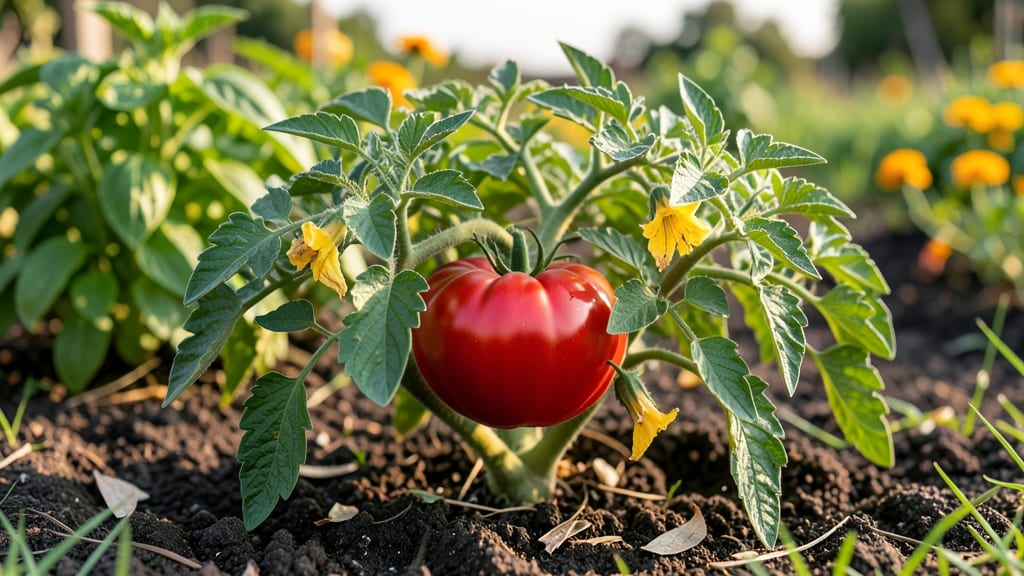
Growing a bush beefsteak tomato plant means juicy 1-pound tomatoes without wrestling with sprawling vines or trellises. 🌱 I learned the hard way that these compact powerhouses need the right balance of space, support, and care—or they’ll flop like overgrown weeds. The key?
Matching their bushy growth habit to your garden’s reality, whether that’s a 5-gallon container or a sunny corner. These tomatoes thrive when planted in well-draining soil with a 3-foot diameter of space (or a matching container).
Start with a sturdy cage or stakes early—even bush varieties benefit from light support as fruit develops. Water consistently at the base (never overhead) to prevent cracking, and watch for blossom end rot if soil pH dips below 6.0.
By midsummer, you’ll be harvesting tomatoes so sweet and meaty they’ll make store-bought slices look sad. The secret? Regular feeding with balanced fertilizer (10-10-10) every 4-6 weeks, and pruning suckers to focus energy on fruit production. Even my black thumb can’t kill these—just don’t let them dry out.
Perfect for balconies, small yards, or crowded raised beds. The real magic happens when you skip the trellis and let the plant’s natural shape do the work for you.
📚 In This Guide
- What you need
- Instructions
- Tips and common mistakes
- Wrapping up and next steps
What you need
- ● Bush Beefsteak tomato seeds or seedlings: 1–3 plants (check seed packet for spacing; typically 18–24 inches apart).
- ● Well-draining potting mix or garden soil: 5–10 gallons per plant (add compost for nutrients!).
- ● Containers (if not planting in-ground): 5-gallon pots or fabric grow bags (minimum 12–18 inches deep).
- ● Drainage holes (non-negotiable! 💦).
- ● Balanced fertilizer (10-10-10 or 5-10-10): 1–2 tbsp per plant at planting + weekly feedings once fruiting starts.
- ○ Tomato cages or stakes (optional but helpful): 4–5 ft tall (even "bush" varieties benefit from light support!).
- ● Watering can or hose with a gentle spray nozzle: Aim for deep watering (1–1.5 inches per week).
- ● Mulch (straw or shredded leaves): 2–3 inches to retain moisture and deter weeds.
- ● Gloves: Protect your hands from thorns and dirt.
- ● Trowel or small shovel: For transplanting or amending soil.
- ○ Pruning shears: To snip suckers (optional but keeps plants tidy!).
- ● Sunny spot: 6–8+ hours of direct sunlight daily (no shade allowed!).
- ● Warmth: Soil temps above 55°F (13°C) (use row covers if needed).
- ● Epsom salt: 1 tbsp per gallon of water monthly for magnesium boost.
- ● Café grounds: Sprinkle around base to deter pests and add nutrients.
- ● Plant markers: Label your bushes to track varieties (trust us, you’ll forget!).
- ● Shade cloth: For seedlings if temps exceed 90°F (32°C).
Step-by-Step guide to growing bush beefsteak tomatoes
Here’s how to grow these compact, high-yielding tomatoes without the trellis hassle.
🌱 Step 1: Choose the Right Spot for Full Sun
Bush beefsteak tomatoes thrive in 6-8 hours of direct sunlight daily. Find a location with south or southwest exposure—morning sun and afternoon shade works too, but avoid deep shade. If your garden gets hotter than 90°F, provide afternoon shade to prevent sunscald on the fruit.
I always check the spot for 3-4 hours before planting by placing a white plate where the plant will go. If it stays cool to the touch, it’s a good sign. These tomatoes grow 3-4 feet tall but stay bushy, so they don’t need staking unless heavy fruit causes them to lean.
🪴 Step 2: Plant Deeply in Well-Draining Soil
Dig a hole twice as deep as the root ball—this encourages strong root growth. Loosen the soil around the edges so roots can spread easily. Mix in 2-3 inches of compost into the bottom of the hole to give your plant a nutrient boost right away.
Place the plant so the topmost leaves sit just below soil level—this hidden stem will grow roots, making the plant more stable. Gently backfill with soil, pressing lightly to remove air pockets. Water deeply to settle the soil and remove any air gaps.
☀️ Step 3: Water Consistently at the Base
Water 1-1.5 inches per week, focusing on the soil around the plant’s base—never the leaves. These tomatoes are drought-tolerant once established, but uneven watering causes blossom-end rot (a common problem with beefsteak varieties). I like to water in the early morning so the foliage dries quickly.
Check moisture by sticking your finger 1 inch into the soil. If it feels dry, water again. Mulch with 2-3 inches of straw or shredded leaves to retain moisture and keep roots cool. Avoid wetting the leaves to prevent fungal diseases like early blight.
✂️ Step 4: Prune for Airflow and Fruit Production
Pinch off suckers (the small shoots that grow between the stem and branches) when they’re 1-2 inches long. These compete for energy with the fruit. Also, remove yellow or diseased leaves immediately—they spread problems fast. I prune in the morning so wounds heal faster in the day’s warmth.
For bush varieties, light pruning is key. Trim back any branches that grow toward the ground or rub against others. This keeps airflow moving, which prevents fungal issues. Harvest when tomatoes are fully colored and slightly soft to the touch—they’ll ripen off the vine if needed.
🍅 Step 5: Harvest at Peak Ripeness for Best Flavor
Pick tomatoes when they’re deep red all over and yield slightly when gently squeezed. Use pruning shears to avoid damaging the stem. The first harvest usually comes 70-80 days after transplanting, but heat waves can delay ripening.
Store unripe tomatoes in a cool, dark place (like a paper bag) to finish ripening. For bush varieties, harvest frequently—overripe tomatoes stress the plant and reduce future yields. I always check for ripe fruit every 2-3 days during peak season.
Tips & tricks for perfect bush beefsteak tomatoes
Here's what nobody tells you about growing these compact powerhouses—lessons I learned after watching my first plants struggle.
Sunlight Strategy: Those 6-8 hours of daily sun are non-negotiable, but I've found the morning sun test with the white plate is foolproof. If your spot gets hotter than 90°F, I recommend moving plants to partial afternoon shade during peak summer—this prevents sunscald on the fruit while keeping leaves happy. The afternoon shade can be as simple as a temporary shade cloth or even a white umbrella placed strategically.
Root Boost Technique: When planting deeply in Step 2, I discovered the "hidden stem" trick makes all the difference. That buried stem grows additional roots that anchor the plant better, especially when those beefsteak tomatoes start weighing down the branches. Press the soil firmly around the stem to eliminate air pockets—this helps the plant establish faster and prevents wilting during those first critical weeks.
Watering Wisdom: The 1-1.5 inches weekly guideline works, but I've learned to adjust based on your soil type. Sandy soil drains faster, so you might need to water every 2-3 days, while clay soil holds moisture longer. Always check that 1-inch soil depth—if it's dry at this level, it's time to water. I've seen blossom-end rot disappear completely after implementing this simple moisture check routine.
Harvest Hack: Those 70-80 days to first harvest can feel like forever, but I've found checking every 2-3 days during peak season makes all the difference. Use a small notebook to track when you planted and when you expect fruit—this helps you stay on top of the harvest schedule. And when those tomatoes are deep red and slightly soft, don't wait! The flavor peaks at this exact moment, and harvesting frequently actually encourages more production.
Pro Tips for Bush Beefsteak Tomato Plant
- Here's what nobody tells you about growing these compact powerhouses—lessons I learned after watching my first plants...
- Sunlight Strategy: Those 6-8 hours of daily sun are non-negotiable, but I've found the morning sun test with the whit...
- Root Boost Technique: When planting deeply in Step 2, I discovered the "hidden stem" trick makes all the difference. ...
Frequently asked questions
Got questions about growing your own bush beefsteak tomatoes?
You’re not alone! Here are answers to the most common queries to help you cultivate juicy, trellis-free tomatoes with ease.
How tall does a bush beefsteak tomato plant get?
A bush beefsteak variety typically grows 3–4 feet tall and spreads 2–3 feet wide. Unlike indeterminate types, they don’t need staking or pruning—just plenty of sunlight and well-draining soil. Their compact size makes them perfect for containers, small gardens, or even balconies!
When should I plant bush beefsteak tomatoes?
Start seeds 6–8 weeks before your last frost date indoors for a head start. Transplant seedlings outdoors after soil warms to 60°F+ and nighttime temps stay above 50°F. For most climates, this means mid-April to early June. Cold-sensitive, so avoid early planting!
Do bush beefsteak tomatoes need pruning?
No pruning is required! Unlike indeterminate varieties, bush types grow in a self-supporting bush with a single stem and limited suckers. Focus on removing yellow leaves and diseased foliage to keep energy flowing to fruit. Their compact shape means fewer pests and easier harvesting.
Why aren’t my bush beefsteak tomatoes ripening?
Common culprits include cool nights (below 55°F), overwatering, or lack of sunlight. Ensure plants get 6–8 hours of direct sun daily and water deeply 1–2 inches per week. If blooms drop, try hand-pollinating with a soft brush on cloudy days.
Can I grow bush beefsteak tomatoes in containers?
Choose a 5-gallon pot or larger with drainage holes, using a lightweight potting mix. Place containers in full sun and fertilize every 2–3 weeks with a balanced tomato fertilizer. Just avoid overcrowding—one plant per container works best for optimal growth.
Wrapping up and next steps
Growing a Bush Beefsteak tomato plant is a rewarding way to enjoy homegrown flavor without the hassle of sprawling vines or trellises! 🌱 With its compact size and prolific fruit production, this variety proves that big rewards come in small packages.
Whether you’re a beginner or a seasoned gardener, these tips will set you up for a bountiful harvest.
Ready to dive in? Start by gathering your supplies, then plant with confidence—your kitchen (and taste buds!) will thank you. Happy growing! 🍅✨