
Pests
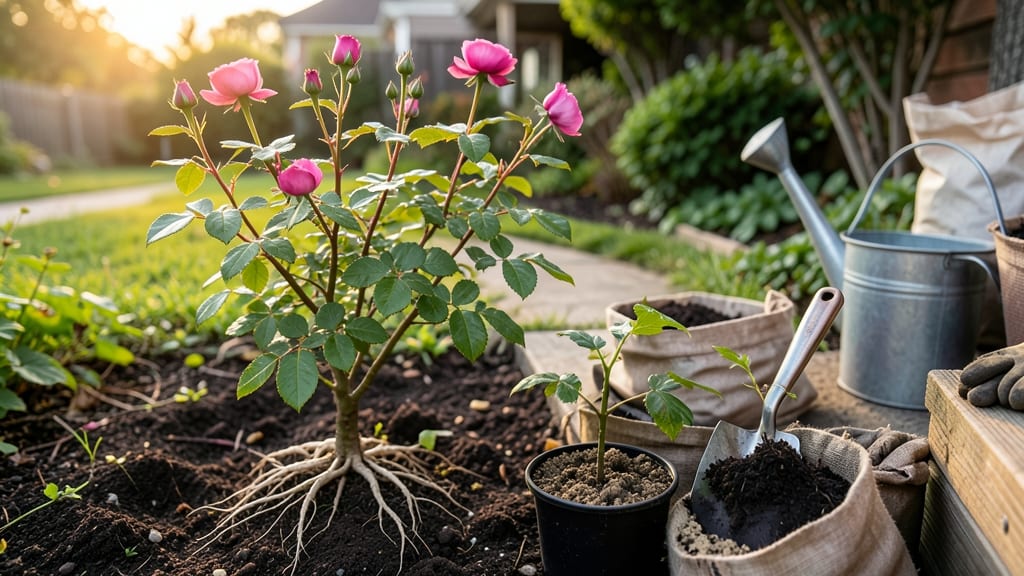
Getting a start off a rose bush begins with sharp shears and a clear morning—this is where your bush’s next season of blooms gets its foundation.
I’ve propagated roses from cuttings for years, and the key isn’t just timing but knowing which stems to choose and how to coax them into rooting. Most gardeners skip this step, but a single well-rooted cutting can become a thriving plant in just 6-8 weeks with the right care.
The best time to take cuttings is right after the first flush of blooms in early spring, when new growth is about pencil-thick and still flexible. You’ll need clean pruners, rooting hormone, and a mix of perlite and peat moss—no fancy greenhouse required.
The magic happens when you dip the cut end in hormone, strip the lower leaves, and tuck it into moist soil, creating a mini greenhouse with a plastic bag to keep humidity high.
By summer, you’ll see tiny new leaves unfurling as roots take hold, and those cuttings will be ready to transplant. The result? A bush that’s already established, with fewer pests and stronger growth than store-bought plants. It’s the secret to roses that outperform everyone else’s.
This method works for hybrid teas, climbers, and even those finicky shrub roses—just adjust the timing slightly for your climate. Spring’s the perfect season to try it, and once you’ve got your first successful start, you’ll never buy bare-root plants again.
📚 In This Guide
- What you need
- Instructions
- Tips and common mistakes
- Wrapping up and next steps
What you need
- ● Pruning shears: Sharp, clean, and bypass-style (avoid anvil shears—they crush stems). Size tip: 6- to 8-inch blades for most rose varieties.
- ● Garden gloves: Heavy-duty, cut-resistant gloves (thorns are no joke!). Opt for nitrile-coated for extra grip.
- ● Disinfectant: 70% isopropyl alcohol or a bleach-water solution (1 part bleach to 9 parts water) to sterilize tools between cuts.
- ● Rake or hoe: For clearing dead leaves, debris, and weeds around the base of the bush (12-18 inches outward).
- ● Compost or mulch: Organic matter (e.g., shredded bark, aged compost) to replenish soil after pruning. Aim for 2–3 inches of coverage.
- ● Rose bush: A healthy, dormant rose bush (prune in early spring, just as new buds swell but before leaves emerge).
- ● Loppers: For thicker stems (over ½ inch) that shears can’t handle.
- ● Hand saw: A pruning saw with a fine-tooth blade for stubborn, woody growth.
- ● Plant food: A balanced, slow-release fertilizer (10-10-10 or rose-specific formula) to nourish the bush post-pruning.
- ● Pruning sealant: Not always recommended, but if used, opt for tree wound paint (only for cuts larger than ½ inch).
- ● Notebook & pen: To sketch your bush’s shape or note cuts for future reference!
Instructions for early spring pruning to jumpstart your rose bush
Here's how to refresh your rose bush for a vibrant, bloom-heavy season—no fancy tools required.
Time Your Pruning for Maximum Growth
Wait until after your last frost date when daytime temperatures consistently reach 40°F or higher. This timing ensures the plant isn't stressed by cold snaps. I like to prune in early spring when buds begin to swell but before new growth starts—this gives the plant energy to focus on fresh shoots rather than repairing old damage.
Check for swollen buds along the stems. These look like tiny plump nodules where next year's blooms will form. If you see green shoots emerging, you've waited too long. Pruning at this stage encourages the bush to put all its energy into developing strong, healthy canes for summer flowering.
Assess and Remove Damaged or Weak Canes
Start by examining each stem closely. Look for canes that are dead, diseased, or crossing—these compete with healthy growth for nutrients. Dead canes feel hollow when tapped, while healthy ones are firm. Diseased canes may show black spots, mold, or oozing sap. Cut these out completely at the base using clean, sharp pruners.
Remove any canes that are thinner than a pencil or growing in awkward directions. I always leave at least three to five strong, outward-facing canes per bush. This creates an open center that allows air circulation, reducing the risk of fungal diseases like black spot. Make cuts at a 45-degree angle about ¼ inch above an outward-facing bud to encourage new growth in the right direction.
Shape the Bush for Better Airflow and Blooms
Step back and visualize the bush's natural shape. Aim for a rounded, open form with a clear center. Start by cutting back last year's growth by one-third to one-half of its length. This removes old, woody stems that produce fewer blooms and encourages new, vigorous growth from lower buds.
Focus on thinning out crowded areas where branches overlap. You'll see the bush transform as you create space between canes. For hybrid teas and floribundas, cut back to just above a strong, healthy bud that faces outward. This ensures new growth will fill in gaps and create a fuller, more attractive plant. Avoid leaving stubs—always make clean cuts just above a bud.
Clean Up and Fertilize for New Growth
After pruning, gather all the clippings and dispose of them in the trash—not the compost pile. Rose canes can harbor diseases that survive even after cutting, and you don't want to spread them back to your garden. Sterilize your pruners with rubbing alcohol between cuts to prevent cross-contamination.
Apply a balanced, slow-release fertilizer (like 10-10-10) around the base of the bush, keeping it 3-4 inches away from the trunk. Water deeply to help the fertilizer soak into the soil. This gives your rose the nutrients it needs to recover quickly and produce strong new canes. Within 2-3 weeks, you should see fresh green shoots emerging from the buds you left behind.
Monitor and Maintain Through Early Growth
Keep an eye on your rose bush in the weeks after pruning. Water deeply once a week unless you've had heavy rain, ensuring the soil stays moist but not soggy. Mulch around the base with 2-3 inches of organic mulch to retain moisture and regulate soil temperature. This helps protect new growth from temperature fluctuations.
Watch for new shoots emerging from the buds you left. These should appear within 2-4 weeks after pruning. If you see any signs of stress—like yellowing leaves or wilting—adjust your watering or check for pests. A healthy rose bush will show vibrant green leaves and firm, upright canes as it prepares for the growing season. This early care sets the stage for a bush that blooms beautifully all summer long.
Tips & tricks for early spring rose pruning
These simple strategies will help you prune like a pro and set your rose bush up for a stunning blooming season.
Timing is Everything: The 40°F threshold isn't just arbitrary—it's when roses start actively growing again. I've found that pruning too early can shock the plant, while waiting too long means you'll be cutting back new growth instead of dormant canes. Check your local frost dates and aim for that sweet spot between bud swell and first green shoots. If you're unsure, err on the side of waiting a few extra days rather than rushing.
Bud Selection Matters: When making those 45-degree cuts about ¼ inch above buds, pay attention to their orientation. Outward-facing buds will grow away from the center, creating that beautiful rounded shape we want. I like to visualize the bush's final form while I'm pruning—it helps me make more confident cuts. Remember, you're sculpting the plant's future growth pattern with each snip.
Clean Cuts Prevent Problems: Those clean cuts aren't just for looks—they help prevent disease entry points. I always sterilize my pruners between cuts with rubbing alcohol, and I make sure each cut is smooth and even. Ragged cuts can tear the bark and create openings for pests and pathogens. For thicker canes, take your time and make two cuts if needed: one to notch the cane and a second to complete the cut cleanly.
Post-Pruning Care Sets the Stage: The 2-3 weeks after pruning are critical for new growth. I've seen roses that looked perfect after pruning but failed to thrive because they didn't get proper care during this recovery period. Water deeply once a week (unless it's rained) and keep that mulch at 2-3 inches thick. This creates the ideal environment for those buds to wake up and grow into strong new canes that will support next season's blooms.
Pro Tips for Get A Start Off A Rose Bush
- These simple strategies will help you prune like a pro and set your rose bush up for a stunning blooming season.
- Timing is Everything: The 40°F threshold isn't just arbitrary—it's when roses start actively growing again.
- Bud Selection Matters: When making those 45-degree cuts about ¼ inch above buds, pay attention to their orientation.
Frequently asked questions
Got questions about starting a rose bush from a cutting or pruning? You’re not alone!
Here are answers to the most common concerns—so you can grow confidently without guesswork.
When is the best time to take a cutting from a rose bush?
The ideal time is late spring or early summer, when new growth is mature but still flexible. Avoid taking cuttings after a hard frost or during extreme heat. Pro tip: Early morning is best—cuttings stay fresher longer!
How do I know if my cutting will root successfully?
Look for healthy, disease-free stems (about pencil-thick) with 3–5 leaf nodes. Dip the cut end in rooting hormone and plant in moist, well-draining soil. Yellow leaves or mushy stems? Toss it—it’s likely infected.
Can I start a rose bush from a store-bought rose?
Yes, but only from own-root roses (not grafted). Cut a 6-inch stem below a leaf node, strip lower leaves, and root it in water or soil. Grafted roses (like hybrid teas) won’t produce true-to-type plants from cuttings.
What if my new rose bush gets pests or diseases?
Start with clean tools and healthy cuttings to prevent issues. Early signs? Black spots on leaves? Prune affected areas and spray neem oil. Chewed leaves? Introduce ladybugs or use insecticidal soap.
How long does it take for a rose cutting to root?
Patience is key! Most cuttings root in 4–8 weeks, but some take longer. Keep soil moist (not soggy) and place in bright, indirect light. Pro tip: Cover with a plastic bag to retain humidity—just remember to ventilate!
Wrapping up and next steps
Getting a fresh start with your rose bush through early spring pruning is all about patience, precision, and care—and you’ve got everything you need to make it happen! 🌸 By following these steps, you’re not just trimming branches; you’re setting the stage for healthier growth, more vibrant blooms, and a rose bush that thrives for years to come.
Remember, every snip is a step toward a garden you’ll love walking through.
Now that you’re armed with knowledge, grab those pruners and get to work! Start small if you’re new to pruning, and don’t forget to celebrate each healthy cut. Your roses will thank you—and so will your future self when summer brings those stunning blooms. Happy pruning! 🌿✨