
Diseases
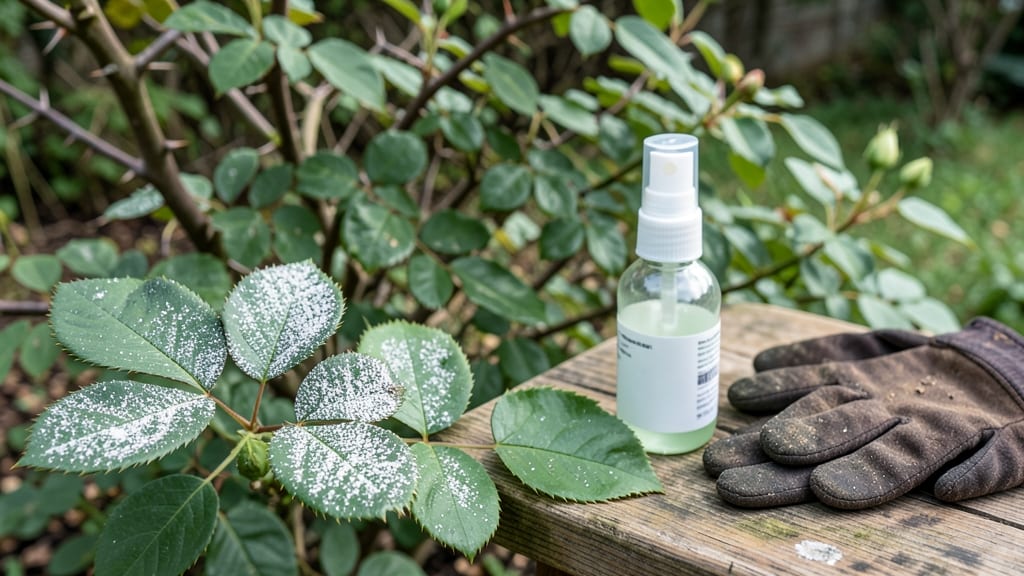
Seeing those white powdery patches on your rose leaves is like a red flag in a garden—mildew on rose bush leaves spreads fast if you don’t act.
I’ve battled this exact problem for years, and the copper-free organic cure I’ll share here stops the spread in just a few days without harsh chemicals. The key is acting quickly and targeting the root causes—humidity, poor airflow, and those sneaky fungal spores hiding on your leaves.
Most gardeners make the mistake of waiting until the mildew covers half the bush before treating it. That’s why I prune infected leaves first—toss them in the trash, not the compost—and then focus on airflow.
Spacing plants properly and watering at the base (never overhead) cuts off mildew’s favorite conditions. My roses now stay healthier all season with just a few simple adjustments and a weekly neem oil spray.
By the end of this, you’ll have a bush that looks like it just came from a nursery—no more yellowing leaves or curled edges. The secret isn’t complicated: remove the infected parts, boost airflow, and use organic treatments like baking soda spray or horticultural oil.
It’s a game-changer for anyone tired of losing roses to mildew every summer.
Works for all rose varieties, from hybrid teas to shrub roses, and fits into any garden routine. Let’s get those bushes back to their full, mildew-free glory.
The Hidden Triggers Behind Fungal Fuzz
Mildew isn’t just a random nuisance—it’s a deliberate invasion by microscopic fungi that thrive under specific conditions. Understanding these triggers is your first step toward stopping the spread and saving your roses. Let’s break down the science behind why your rose bush leaves develop that telltale powdery coating.
Powdery mildew (Erysiphe spp.) and downy mildew (Peronospora spp.) love humidity—think of it as their cozy blanket. Here’s why:
- Ideal temperature range: 60–80°F (15–27°C). Cooler nights (50–60°F / 10–15°C) slow plant growth, making roses more susceptible.
- Relative humidity: 75–90% for 12+ hours triggers spores to germinate. Even morning dew can create the perfect damp environment.
- Poor airflow: Dense foliage or crowded bushes trap moisture, giving fungi a foothold. Pro tip: Prune to improve circulation! 🌬️
Actionable fix: Water in the early morning so leaves dry by afternoon. Use a soaker hose to avoid wetting foliage.
Healthy roses resist mildew, but stress weakens their defenses. Common stressors:
- Nutrient deficiencies: Low nitrogen or phosphorus slows growth, making leaves less resistant. Test soil pH—ideal for roses is 6.0–6.5.
- Root-bound plants: Roots circling in pots or compacted soil reduce water/nutrient uptake, stressing the bush.
- Pests like aphids: Their sticky honeydew feeds mildew spores, creating a sugar-coated trap for fungi.
Actionable fix: Feed roses with balanced organic fertilizer (e.g., fish emulsion) and prune crowded branches to open the canopy.
Mildew spores are everywhere—soil, wind, even nearby infected plants. They’re dormant until conditions are right:
- Wind or water spread: Spores hitchhike on breezes or splashing water from irrigation.
- Last year’s debris: Infected leaves left in the soil over winter release spores when spring arrives.
- New plant purchases: Infected cuttings or nursery stock can introduce mildew to your garden.
Actionable fix: Clean up fallen leaves and space new roses 3–4 feet apart to limit spore transfer.
Overhead watering or inconsistent moisture creates the perfect mildew buffet:
- Wet leaves for long periods: Even light rain can keep leaves damp overnight, activating spores.
- Inconsistent soil moisture: Alternating dry/wet cycles stress roses, making them easier targets.
- Drip irrigation on foliage: Mist from drippers or sprinklers directly wets leaves, mimicking a fungal spa.
Actionable fix: Switch to drip irrigation at the base and water deeply but infrequently (1–2 inches per week).
Key takeaway: Mildew exploits weakness—whether it’s humidity, stress, or poor habits. By addressing these triggers, you starve the fungus of its ideal conditions. Next up: how to kick it out for good!
Quick Fixes for Fungal Foes
If mildew has already claimed your rose bush leaves, don’t panic—there are effective, organic, and copper-free ways to turn things around fast. The key is acting quickly and targeting the root causes (poor airflow, excess moisture, or nutrient stress) while treating the symptoms.
Below, we’ve mapped out practical solutions based on the most common triggers, so you can choose what fits your garden best. Plus, we’ll share prevention tips to keep your roses thriving long-term.
Mildew loves to hide in dense foliage where air can’t circulate. If your rose bush is too crowded or shaded by other plants, it’s time to thin things out.
🔪 Step-by-Step Pruning for Better Airflow
- 🌿 Step 1: Identify the Problem Areas Look for branches rubbing against each other or leaves touching the soil. These are mildew magnets.
- ✂️ Step 2: Snip Strategically
Use clean, sharp pruners to remove:
- Dead or diseased branches (sterilize pruners with rubbing alcohol between cuts).
- Crossing or rubbing branches (aim for an open vase shape to maximize airflow).
- Leaves touching the soil (they trap moisture and spores).
- 🌞 Step 3: Space It Out If your rose bush is in a container, consider repotting it into a larger one. For in-ground roses, ensure they’re 18–24 inches apart from other plants.
💡 Pro Tip: Prune in the early morning so wounds have time to dry before evening dew sets in. Avoid pruning when leaves are wet—this spreads spores!
🌡️ Prevention: Keep It Breeze-Friendly
- Plant roses where they get at least 6 hours of sunlight daily and good airflow (avoid tight corners or under trees).
- Use trellises or stakes to elevate branches and prevent leaf-to-soil contact.
- Mulch 3–4 inches away from the stem (not piled against it) to reduce humidity at the base.
Mildew thrives in wet leaves, so if your roses are soggy from overwatering, poor drainage, or heavy dew, it’s time to dry them out—safely.
👨🍳 Fixing Overwatered Soil
- 💧 Step 1: Check the Soil Stick your finger 2–3 inches deep into the soil. If it’s damp, wait to water. Roses prefer consistently moist but not waterlogged soil.
- 🚰 Step 2: Improve Drainage
If your rose is in a pot, ensure it has drainage holes. For in-ground roses, amend the soil with:
- Compost (20–30%) to improve structure.
- Perlite or coarse sand (10%) to prevent compaction.
- 🌧️ Step 3: Water Wisely
- Water deeply but infrequently—aim for 1–1.5 inches per week (including rain).
- Use a soaker hose or drip irrigation to water at the base, not the leaves.
- Avoid watering in the evening—wet leaves overnight = mildew party.
🌡️ Prevention: Let Leaves Dry Fast
- Water before 10 AM so leaves dry by afternoon.
- Use a fan on low near the garden (or shake leaves gently) to speed up drying.
- Choose disease-resistant rose varieties (e.g., ‘Knock Out’ roses) if mildew is recurrent.
Weak roses are easier targets for mildew. If your bush is struggling, it might need a nutrient boost to fight back.
🥗 Quick Organic Fertilizer Fix
Mildew often strikes when roses are low on nitrogen or micronutrients. Try these:
- 🌿 Fish Emulsion or Seaweed Extract
- Mix 1 tbsp per gallon of water and spray on foliage and soil (diluted to 1:10 for leaves).
- Rich in nitrogen and growth hormones to strengthen plants.
- 🍄 Compost Tea
- Brew 1 cup compost in 5 gallons of water for 24–48 hours, then strain and spray.
- Provides beneficial microbes that outcompete mildew.
- 💪 Epsom Salt (Magnesium Boost)
- Dissolve 1 tbsp Epsom salt in 1 gallon of water and spray on leaves.
- Helps with chlorosis (yellowing), making roses more resilient.
🌡️ Prevention: Feed Smartly
- Avoid high-nitrogen fertilizers late in the season (they encourage soft, mildew-prone growth).
- Use a balanced organic fertilizer (like 5-5-5) in early spring and mid-summer.
- Mulch with aged compost to slowly release nutrients without burning roots.
If you’ve spotted white or gray powdery patches, act fast with these copper-free, DIY sprays:
🍳 3 Best Organic Mildew Sprays
| Solution | How to Make It | How to Apply |
|---|---|---|
| Baking Soda Spray | Mix 1 tsp baking soda + 1 tbsp vegetable oil + 1 tsp dish soap in 1 quart water. | Spray affected leaves (undersides too!) and soil every 7–10 days until mildew clears. |
| Neem Oil Spray |