
Pests and Diseases
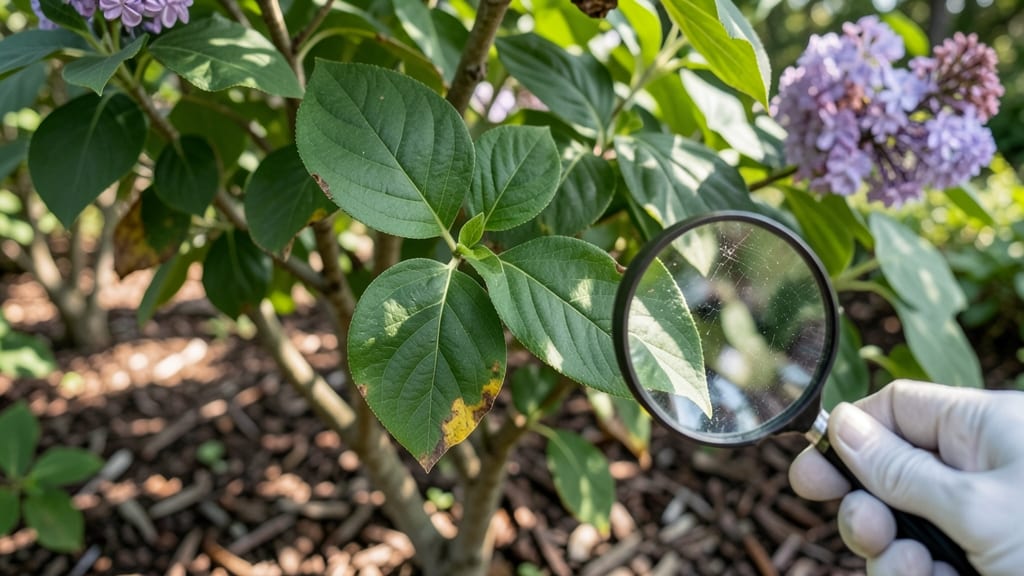
Your lilac bush leaves curling could be a cry for help from lace bugs, fungal infections, or environmental stress—each with a natural fix. 🌿 I’ve seen this happen after a hot, dry summer or when the soil gets too compacted, and the good news is that most cases respond quickly to targeted care.
First, check the undersides of leaves for tiny lace bugs or sticky residue—those are classic signs. If you spot yellowing or brown spots, fungal stress might be the culprit. Nutrient deficiencies often show up as curled edges with pale leaves, especially if your soil lacks nitrogen or phosphorus.
With the right approach, you’ll see fresh, unfurled growth within weeks. Prune affected branches to improve airflow, apply neem oil for pests, and add compost to nourish the roots. The key is acting fast before the problem spreads deeper into the bush.
This method works for both mature bushes and young plants, and it’s gentle enough for organic gardeners. Let’s get those leaves looking lush again—no harsh chemicals needed.
Root Causes Behind Leaf Curling
Understanding why your lilac bush leaves are curling starts with identifying the primary stressors at play. These woody shrubs, beloved for their fragrant blooms, can signal distress in subtle ways—like leaf edges rolling inward or upward. Let’s break down the most common culprits with science-backed explanations and actionable insights.
Lilacs (Syringa vulgaris) are hardy but sensitive to rapid temperature shifts, especially when young leaves emerge in spring. Cold snaps followed by sudden warmth can disrupt cell expansion, causing leaves to curl as they struggle to regulate moisture.
- Why it happens: - Cold damage (below 20°F/-7°C) can freeze leaf cells, while warm spells trigger premature growth.
The mismatch forces leaves to conserve water by curling edges inward. - Heat stress (above 90°F/32°C) also triggers curling as stomata (pores) close to prevent water loss, but the leaf structure weakens.
- What to watch for:
- Leaves curling along the edges first, often with a silvery or grayish tint.
- New growth appearing stunted or brittle.
- ✨ Pro Tip: Mulch around the base with 3–4 inches of organic matter (like wood chips) to buffer soil temps and reduce stress. Avoid late-spring frosts by covering young shoots with frost cloth if forecasts warn of dips below 28°F/-2°C.
Lilacs thrive in well-draining soil but are highly intolerant of soggy roots or drought. Curling leaves often scream "help me with my hydration!"
- Why it happens: - Overwatering: Saturated soil cuts off oxygen to roots, leading to root rot.
The plant can’t absorb nutrients or water efficiently, causing leaves to curl as a desperation response. - Underwatering: Drought stress forces leaves to curl inward to minimize water loss, often paired with crispy edges or yellowing.
- What to watch for:
- Overwatered: Leaves curl downward, with a dark, glossy appearance (like plastic).
- Underwatered: Leaves curl upward, feeling dry and papery to the touch.
- 💡 Actionable Fix:
- Test soil moisture by sticking your finger 2 inches deep—if dry, water deeply (1–2 inches per week). If soggy, hold off and improve drainage by amending soil with sand or perlite.
- Mulch heavily (4+ inches) to retain moisture without suffocating roots.
Tiny invaders like lilac leaf miners, aphids, or spider mites can wreak havoc by feeding on leaf sap, disrupting cell structure and causing curling.
- Why it happens:
- Leaf miners (larvae of flies) tunnel between leaf layers, triggering puckering and curling as the leaf tries to "seal" the damage.
- Aphids inject toxic saliva while feeding, causing leaves to curl upward and sticky honeydew to form.
- Spider mites thrive in dry conditions, piercing cells and sucking out fluids, leading to bronzing and curling.
- What to watch for:
- Leaf miners: Blister-like trails or serpentine patterns under curled leaves.
- Aphids: Sticky residue on leaves and ant trails (ants farm aphids for honeydew).
- Spider mites: Fine webbing on undersides and speckled yellowing.
- 🔥 Quick Solutions:
- Blast pests off with a strong stream of water (early morning).
- Neem oil spray (1 tsp per quart of water) smothers mites and aphids without harming bees.
- Release beneficial insects like ladybugs or lacewings to prey on pests naturally.
Fungi like powdery mildew or anthracnose thrive in humid, shaded conditions, causing leaves to curl and distort as the pathogen disrupts tissue growth.
- Why it happens:
- Powdery mildew forms a white, powdery coating on leaves, blocking sunlight and forcing cells to curl to reduce surface area.
- Anthracnose creates dark, sunken spots that warp leaf edges, leading to curling as the leaf "collapses" inward.
- What to watch for:
- Powdery mildew: White, talcum-like dust on upper leaf surfaces.
- Anthracnose: Brown, irregular patches with yellow halos.
- 🌡️ Prevention & Treatment:
- Improve airflow by pruning dense branches and spacing plants 3–5 feet apart.
- Apply baking soda spray (1 tsp baking soda + 1 quart water + dash of soap) weekly for mildew.
- Remove infected leaves and sterilize pruners with rubbing alcohol to prevent spread.
Lilacs need balanced nutrients to grow strong. Deficiencies in nitrogen, potassium, or magnesium can cause curling as leaves fail to develop properly.
- Why it happens:
- Nitrogen deficiency: Leaves curl and yellow (chlorosis) because the plant can’t produce chlorophyll.
- Potassium deficiency: Leaves curl upward with brown, dead edges (scorching) due to poor water regulation.
- Magnesium deficiency: Yellow patches between leaf veins (interveinal chlorosis) cause weak, curling tissue.
- What to watch for:
- Older leaves show symptoms first (nitrogen/magnesium).
- New growth curls (potassium issue).
- 💪 Fertilizer Fix:
- Spring: Apply balanced 10-10-10 fertilizer to boost overall health.
- Fall: Use potassium-rich fertilizer (like 0-0-50) to strengthen roots for winter.
- Epsom salt spray (1 tbsp per gallon) monthly can correct magnesium deficiencies.
Revive Your Lilacs Naturally
If your lilac bush leaves are curling like a parchment scroll, don’t panic—there’s a solution for every cause! Below, we’ve mapped out practical fixes for the most common culprits, from environmental stress to pesky invaders.
Each remedy is designed to be easy to follow, so you can get your lilacs thriving again without breaking a sweat.
Lilacs despise soggy roots or dry spells, both of which can cause leaves to curl as a distress signal. Here’s how to get it just right:
- 💧 Check the Soil: Stick your finger 2–3 inches into the soil. If it’s bone-dry, it’s time to water. If it’s muddy, hold off until it drains better.
- 👨🌾 Water Deeply (Not Frequently): Give your lilac a slow, deep drink—about 1–1.5 inches of water—once a week (adjust for rain). Shallow watering encourages weak roots.
- 🌱 Improve Drainage: If your soil is clay-heavy, mix in 2–3 inches of compost or sand to help water flow through.
💡 Pro Tip: Water in the early morning to reduce evaporation and fungal risks. Mulch around the base (but not touching the trunk) to retain moisture.
Spider mites, aphids, and scale insects are notorious for curling leaves by sucking out sap. Here’s how to evict them:
- 🔍 Identify the Culprit:
- Spider mites: Tiny webs on undersides of leaves.
- Aphids: Sticky residue (honeydew) and clustered bugs.
- Scale insects: Bumpy, waxy bumps on stems/leaves.
- 🛡️ Natural Sprays:
- Neem oil: Mix 1 tbsp neem oil + 1 tsp mild soap + 1 quart water. Spray leaves thoroughly (repeat every 5–7 days).
- Insecticidal soap: Target aphids and mites with a store-bought or DIY solution (1 tsp castile soap + 1 quart water).
- 🌿 Blast Them Off: For heavy infestations, hose down leaves with water to dislodge pests (do this in the early morning).
✨ Prevention: Encourage beneficial insects like ladybugs by planting marigolds or dill nearby. Prune and dispose of heavily infested branches outside your yard.
Lilacs are hardy but can get stressed by sudden temperature swings. Here’s how to protect them:
- ☀️ Beat the Heat:
- Water deeply during heatwaves (early morning or evening).
- Provide afternoon shade with a temporary shade cloth if temps hit 90°F+.
- ❄️ Winter Prep:
- Mulch heavily (3–4 inches) around the base after the first frost.
- Wrap young lilacs in burlap if your winters dip below -20°F.
🎯 Long-Term Fix: Choose lilac varieties suited to your climate (e.g., Syringa vulgaris for cold zones, Syringa meyeri for milder areas).
Powdery mildew or leaf spot can cause curling and discoloration. Act fast to stop the spread:
- 🧹 Prune the Problem: Remove and dispose of (don’t compost) all curled or spotted leaves. Thin out branches for better airflow.
- 🌿 Fungicide Sprays:
- Baking soda spray: Mix 1 tbsp baking soda + 1 tsp soap + 1 gallon water. Spray every 7–10 days.
- Copper fungicide: Follow label instructions for severe cases.
- 🌱 Soil Care: Ensure the area drains well and avoid overhead watering to keep leaves dry.
🔥 Prevention: Space lilacs 4–6 feet apart to reduce humidity. Water at the base (not the foliage) to discourage fungal growth.
With these targeted fixes, your lilac’s leaves should uncurl and perk up within a few weeks. Monitor progress and adjust care as needed—your bush will thank you with vibrant blooms next season!
Frequently asked questions
Why do lilac leaves curl upward instead of downward?
Upward curling often signals underwatering or pest damage. When roots can't supply enough moisture, leaves curl upward to conserve water. Check for dry, papery edges and test soil moisture—if the top 2 inches are dry, water deeply. For pests, look for tiny webs (spider mites) or sticky residue (aphids) on leaf undersides.
Can I prune curled leaves to help my lilac recover?
Yes, but only remove severely damaged leaves—never more than 25% of the plant at once. Prune in early spring before new growth starts. Use clean, sharp shears and sterilize them with rubbing alcohol to prevent spreading fungal infections. Focus on removing leaves with spots, webbing, or honeydew.
How do I tell if my lilac has lace bugs vs. spider mites?
Lace bugs leave silvery speckles on leaf tops and tiny black bugs (like lace doilies) on undersides. Spider mites create fine webbing and cause bronzing/yellowing. Check both sides of leaves—lace bugs hide under leaves, while mites spin webs in protected areas. Neem oil works for both, but lace bugs may need 2-3 treatments spaced 5-7 days apart.
Will Epsom salt help if my lilac leaves are curling from nutrient issues?
Yes, if curling comes with yellow patches between veins (magnesium deficiency). Mix 1 tablespoon Epsom salt in 1 gallon of water and spray leaves monthly during growing season. For nitrogen issues (yellowing older leaves), use a balanced 10-10-10 fertilizer in early spring. Test soil first—over-fertilizing can burn roots.
How long does it take to see improvement after treating my lilac?
With proper care, you'll see new growth in 2-4 weeks. Pest treatments (neem oil) may show results in 7-10 days if applied correctly. Nutrient fixes take longer—4-6 weeks for Epsom salt to show visible improvement. Monitor soil moisture and avoid overwatering, which can delay recovery by causing root rot.