
Container Gardens
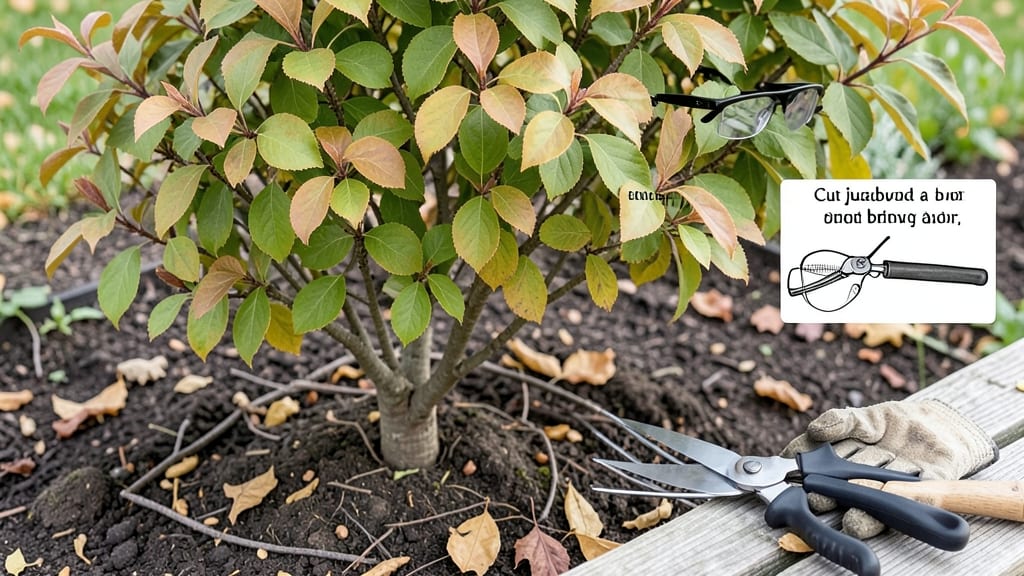
You should not trim a lilac bush in the fall—prune only after blooms fade in late spring or early summer to preserve next year’s flowers and avoid winter dieback. Fall cuts stimulate new growth that won’t harden before frost, weakening the plant.
Lilacs rely on a precise seasonal cycle to produce their signature blooms, and fall pruning disrupts this process entirely. 🌿 When you cut back branches in autumn, the plant interprets this as a signal to grow new shoots—shoots that won’t have time to mature before winter’s first freeze.
This tender growth often dies back, leaving your bush looking ragged and reducing its flowering potential by up to 50% the following spring.
Even if you’re tempted to tidy up after summer’s last bloom, wait until late spring when the plant is already preparing for dormancy, making it far more resilient to pruning.
What’s more, lilacs form their flower buds on old wood—meaning last year’s growth—during the previous summer. Cutting in fall removes these potential blooms before they even form, leaving you with fewer (or no) flowers next season.
The key is patience: a well-timed late spring pruning actually encourages stronger growth and more abundant blooms, while fall cuts create a cycle of decline.
💡 In This Article
- Why Fall Pruning Damages Lilac Bushes
- Best Lilac Pruning Schedule and Techniques
Why fall pruning damages lilac bushes
Lilacs are deciduous shrubs that follow a strict seasonal rhythm, and their flowering cycle begins long before spring arrives. When you prune in fall, you’re interfering with this natural process.
The plant’s growth hormones shift into dormancy mode as temperatures drop, but a fresh cut sends mixed signals—telling the lilac to push out new, tender shoots that won’t have time to harden before winter.
These soft stems are highly susceptible to frost damage, often turning black and brittle by spring. 🌬️
The real damage happens at the cellular level. Lilacs form flower buds on one-year-old wood during the previous summer (June-August). When you prune in fall, you’re removing these potential blooms before they’ve even formed.
Studies show that fall-pruned lilacs can lose 30-50% of their flowering capacity the following season because the plant hasn’t had time to develop new bud sites. This is why professional horticulturists recommend waiting until after blooming in late spring when the plant is already preparing for its next growth cycle.
Another critical factor is the plant’s carbohydrate reserves. During fall, lilacs are storing energy in their roots and stems to survive winter. Pruning removes these storage tissues, leaving the plant with fewer resources to recover.
Imagine cutting back a runner after a marathon—it’s already exhausted, and your "help" just makes recovery harder. The result? Weaker stems, fewer flowers, and a bush that struggles to bounce back each spring. 🌱
Temperature fluctuations in fall create additional stress. While daytime temps might still feel warm, nights can drop suddenly. New growth stimulated by fall pruning often can’t keep pace with these rapid changes, leading to dieback.
In contrast, late spring pruning (after blooms fade) coincides with the plant’s natural regrowth period, when it’s already preparing to push out new shoots that will harden before winter.
What most gardeners don’t realize is that lilacs have a two-year bud formation cycle. The buds that bloom this spring were formed last summer, while next year’s flowers are already developing on this year’s growth. Fall pruning severs both current and future blooms, creating a double whammy.
The plant then must start from scratch, which can take 2-3 years to recover full flowering potential. That’s why even a seemingly minor fall trim can have long-term consequences.
Consider this visual comparison: A properly timed late spring pruning leaves 3-5 strong, mature stems per branch, each capable of producing multiple flower clusters. Fall pruning often results in a bush with 10+ weak, frost-bitten stems that struggle to support any blooms.
The difference comes down to timing—letting the plant complete its natural cycle before you intervene. 🌸