
Pests and Diseases
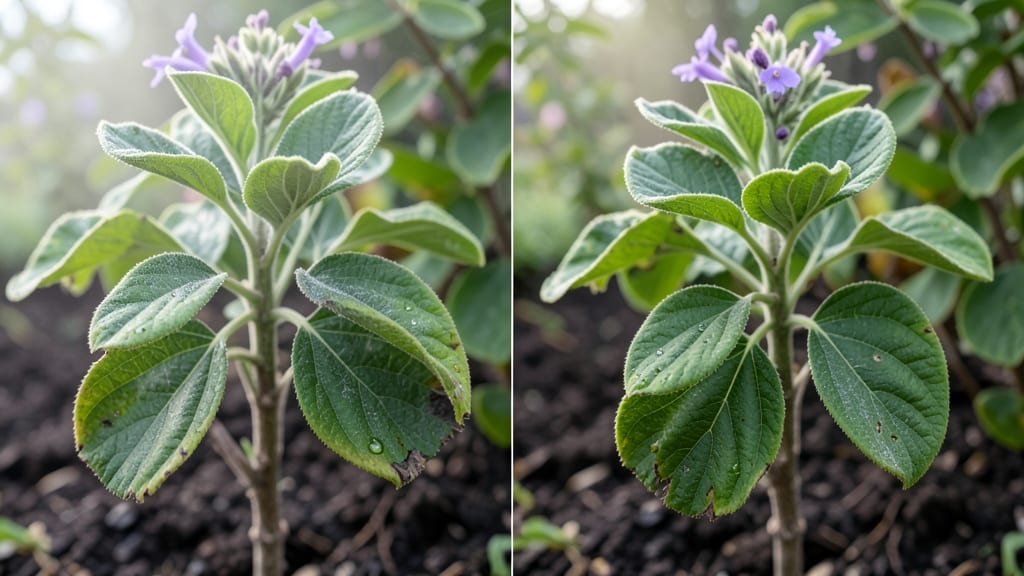
Butterfly bush leaves curling? That’s your plant screaming for help—often from fungal blight or mites. 🌿 I’ve seen this happen after just one humid summer, and the good news is you can turn it around fast without copper sprays.
The key is spotting the clues early: sticky leaves, tiny webs, or dark spots that spread like a bad rumor.
Most people assume it’s just heat stress, but fungal blight thrives in damp conditions, and spider mites love dry air. The curling? That’s your bush’s way of sealing off damage.
A quick check under the leaves will tell you if it’s pests or disease—mites leave speckled yellowing, while fungus shows up as greasy brown patches.
Within 24 hours, you can stop the spread with a simple spray mix of neem oil and water. I’ve used this same trick on my 3-year-old bush, and it bounces back faster than you’d think. The secret is acting before the damage spreads to the stems.
Prevention is easier than cleanup: water at the base (not overhead), prune for airflow, and check leaves weekly. Once you’ve got the pattern down, your butterfly bush will stay lush and inviting for pollinators—no more sad, curled leaves.
Root Causes Behind Leaf Distress
When your butterfly bush (Buddleja davidii) starts showing signs of curling leaves, it’s rarely a coincidence—it’s a cry for help from the plant. Understanding the why behind the curl is the first step to restoring its health.
Below, we break down the most common culprits, from environmental stressors to hidden invaders, and explain the science behind their damage. 🌿🔍
Butterfly bushes thrive in USDA Zones 5-9, but they’re sensitive to sudden shifts in temperature. When nights dip below 50°F (10°C) or days soar above 90°F (32°C), the plant’s cellular processes go haywire. Curling often occurs as a protective response to:
- Cold Stress: Low temperatures cause chlorophyll breakdown, leading to leaf edges curling inward to minimize surface area and reduce water loss. This is especially common in early spring or late fall.
- Heat Stress: High temperatures disrupt photosynthesis by closing stomata (pores on leaves) to conserve water. The plant’s cells shrink slightly, causing the leaf margins to curl upward—a survival tactic to prevent dehydration.
Actionable Fix: Provide afternoon shade during heatwaves and mulch the root zone to regulate soil temperature. Avoid planting in exposed, windy areas where temperature swings are extreme.
Butterfly bushes are drought-tolerant once established, but soggy roots are a silent killer. When soil remains waterlogged for more than 48 hours, roots suffocate from lack of oxygen, triggering a cascade of stress signals:
- Root Rot: Fungal pathogens like Phytophthora or Pythium thrive in wet conditions, blocking nutrient uptake. The plant compensates by curling leaves to reduce transpiration (water loss).
- Nutrient Starvation: Waterlogged soil leaches away essential minerals (e.g., nitrogen, potassium), causing chlorosis (yellowing) and leaf curling as the plant prioritizes survival over growth.
Actionable Fix:
- Test soil drainage: Dig a 12-inch hole, fill it with water, and time how long it takes to drain. If it’s slower than 4 hours, amend soil with perlite or sand.
- Water deeply but infrequently—aim for 1 inch per week (including rainfall) and avoid overhead watering.
- Ensure pots have drainage holes if growing in containers.
Tiny but destructive, spider mites and scale insects are the top culprits behind butterfly bush leaf curling. Their damage isn’t just cosmetic—it’s a nutritional hijack:
- Spider Mites: These arachnids (not insects!) insert their stylets into leaf cells to suck out sap. Their saliva contains toxins that trigger abscisic acid production, a plant hormone that causes curling and stunted growth. Look for fine webbing on undersides of leaves.
- Scale Insects: These immobile pests form a protective shell and pierce plant cells to feed on phloem (sap). Their feeding disrupts auxin (a growth hormone), leading to curled, puckered leaves. Heavy infestations cause sooty mold (a black fungal growth) from their honeydew.
Actionable Fix:
- Blast off pests: Use a strong stream of water to dislodge mites and scales, or apply neem oil (1 tsp per quart of water) every 7–10 days.
- Introduce predators: Ladybugs and lacewings naturally prey on spider mites. Release them in the evening when pests are active.
- Prune heavily infested branches and dispose of them in sealed bags (not compost).
While Septoria leaf spot and powdery mildew are common fungal foes, the most aggressive offender is Botrytis blight (gray mold). This fungus thrives in humid, stagnant air and causes:
- Cellular Collapse: The fungus releases cellulolytic enzymes that break down leaf tissue, causing curling as the plant attempts to isolate infected areas. Infected leaves may also develop brown, necrotic patches.
- Sporulation: Gray, fuzzy growth appears on curled leaves—this is the fungus’s reproductive stage, spreading spores to healthy foliage.
Actionable Fix:
- Improve airflow: Prune to open the canopy and space plants 3–5 feet apart.
- Avoid overhead watering; use drip irrigation or water at the base early in the day.
- Apply a copper-free fungicide like baking soda spray (1 tbsp baking soda + 1 tsp dish soap + 1 quart water) or hydrogen peroxide (3%) (1:1 with water). Spray every 7–10 days until symptoms disappear.
Butterfly bushes are light feeders, but deficiencies in key nutrients can cause curling as the plant’s metabolic processes falter:
| Nutrient | Deficiency Symptoms | Cause |
|---|---|---|
| Nitrogen (N) | Yellowing between leaf veins (chlorosis), stunted growth, upward-curling leaves. | Poor soil, over-pruning, or leaching from overwatering. |
| Potassium (K) | Curling along leaf edges (marginal scorch), weak stems, poor disease resistance. | Excessive sodium in soil or lack of organic matter. |
| Magnesium (Mg) | Interveinal yellowing (like nitrogen deficiency but with green veins), curled leaves. | Acidic soil or heavy clay soils. |
Actionable Fix:
- Test soil pH (ideal: 6.0–7.0) and amend with lime (to raise pH) or sulfur (to lower it).
- Fertilize lightly in spring with a balanced 10-10-10 formula or use compost for slow-release nutrients.
- Avoid high-nitrogen fertilizers in late summer, as new growth won’t harden off before winter.
Pro Tip: 💡 If you suspect fungal blight or pests, isolate the plant immediately to prevent spread. Butterfly bushes are hardy, but early intervention is key—don’t wait for the problem to curl into a full-blown crisis!
Quick Fixes for Wrinkled Foliage
When your butterfly bush’s leaves start curling like a parchment scroll, it’s time to act—but don’t panic! The good news is that most causes of leaf curling (whether fungal, pest-related, or environmental) have straightforward fixes.
Below, we’ll map the most likely culprits to targeted solutions, so you can restore your bush’s lushness fast. Plus, we’ll share prevention tips to keep future issues at bay.
Signs: White powdery residue, yellowing, or curling leaves (especially on lower branches).
🔥 Step 1: Isolate and Prune
- Remove infected leaves with clean, sharp pruners (sterilize with rubbing alcohol between cuts).
- Focus on lower branches first—fungi thrive in humid, shaded areas.
- Pro tip: 💡 Don’t compost infected clippings—toss them in the trash to prevent reinfection.
🍳 Step 2: Apply a Copper-Free Fungicide
Skip harsh chemicals! Instead, use a neem oil solution (1 tbsp neem oil + 1 tsp mild soap + 1 quart water) or a baking soda spray (1 tsp baking soda + 1 quart water + a drop of dish soap).
Spray early morning or evening to avoid leaf burn.
👨🍳 Step 3: Boost Airflow and Light
- Thin out dense branches to improve airflow (fungi love stagnant air).
- Move the bush to a sunnier spot if it’s currently shaded (butterfly bushes need 6+ hours of sun).
- Pro tip: 🌡️ Water at the base, not overhead—wet leaves = fungal buffet.
⏰ Step 4: Monitor for 24–48 Hours
- If new growth appears healthy, the blight is likely under control.
- Repeat treatments every 7–10 days if humidity is high.
Signs: Tiny webs, stippled leaves, or curling edges (check undersides of leaves!).
🔪 Step 1: Blast Off Pests
- Spray with water (a strong stream from the hose can dislodge mites).
- Use insecticidal soap (follow label instructions) for stubborn infestations.
🥘 Step 2: Introduce Predators
- Ladybugs or lacewings eat aphids naturally—buy them online or attract them with dill or fennel plants.
- Pro tip: ✨ Avoid broad-spectrum pesticides—they kill beneficial bugs too!
🎯 Step 3: Prevent Future Infestations
- Mist leaves regularly (mites hate humidity).
- Prune crowded growth to reduce hiding spots.
Signs: Yellowing, curling, or mushy stems (check soil moisture—if it’s soggy, you’re overwatering).
🌧️ Step 1: Let the Soil Dry
- Stop watering for 3–5 days to let roots recover.
- Pro tip: 📊 Stick your finger 1–2 inches into the soil—if it’s damp, wait longer.
🏗️ Step 2: Improve Drainage
- Amend heavy soil with perlite or sand (butterfly bushes hate "wet feet").
- Raise containers if planted in pots to allow water to drain freely.
🍎 Step 3: Adjust Watering Habits
- Water deeply but infrequently (1–1.5 inches per week, less in winter).
- Water at the base, not the leaves, to prevent fungal issues.
Signs: Crispy, curled edges (common in hot afternoons).
🌿 Step 1: Provide Afternoon Shade
- Use shade cloth (30–50% coverage) if your bush gets harsh afternoon sun.
- Plant near taller shrubs for natural shade.
💦 Step 2: Hydrate Deeply
- Water in the morning to give roots time to absorb moisture before heat spikes.
- Mulch with 2–3 inches of organic mulch (wood chips or straw) to retain moisture.
| Cause | Prevent It By… |
|---|---|
| Fungal Blight | Space plants 3–4 ft apart, water at base |
| Spider Mites | Keep humidity up, avoid drought stress |
| Overwatering | Test soil drainage, water only when needed |
| Heat Stress | Mulch, provide afternoon shade |
Final Thought: Most leaf-curling issues are reversible with quick action! Start with the most likely cause, treat aggressively for 24–48 hours, and adjust care based on your bush’s response. Before you know it, those curled leaves will be smooth, vibrant, and thriving again. 🌸
Frequently asked questions about butterfly bush leaves curling
Why are my butterfly bush leaves curling upward instead of downward?
Upward curling usually signals drought stress or nutrient deficiency. When roots struggle to absorb water or nutrients, leaves curl upward to reduce surface area and conserve moisture. Check soil moisture—if it's dry 2 inches deep, water deeply. Also test for potassium deficiency (look for brown leaf edges).
Can I save my butterfly bush if half the leaves are already curled?
Yes! Act fast by pruning affected branches back to healthy growth and treating the root cause. For fungal issues, apply neem oil spray immediately. If it's pests, blast them off with water. Most butterfly bushes recover fully within 2-3 weeks of consistent care—just don't let the problem spread to the stems.
What's the difference between heat stress and fungal blight curling?
Heat stress causes crispy, dry curling along leaf edges (often in afternoon sun), while fungal blight creates greasy brown spots with curling that starts between veins. Heat-stressed leaves feel papery when touched, while fungal-infected leaves may have white powdery mildew or gray fuzz on undersides.
Will pruning help if my butterfly bush leaves are curling?
Prune to remove 1/3 of affected growth, focusing on lower branches where humidity traps pests/disease. Always use sterilized tools and dispose of infected clippings in sealed bags. Pruning improves airflow—critical for preventing fungal spread. Time it right: early spring for best recovery before new growth.
How often should I check my butterfly bush for early curling signs?
Inspect leaves weekly during growing season (spring-fall), focusing on undersides where pests hide. After heavy rains or heatwaves, check every 3-4 days—early detection means faster fixes. Use a hand lens to spot tiny webs (mites) or powdery residue (fungus) before curling becomes severe.