
Shrubs
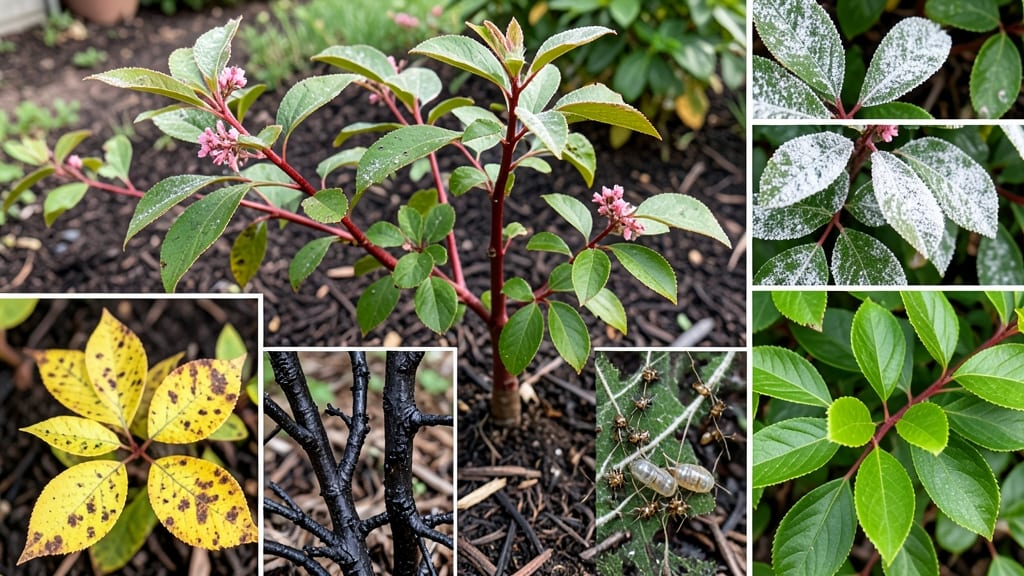
Your burning bush leaves turning yellow isn’t just unsightly—it’s a cry for help. 🌿 I’ve seen this problem ruin perfectly healthy shrubs in just a few weeks, but the fix starts with understanding what’s causing the stress: powdery mildew, scale insects, or even winter damage.
The good news? Most issues can be reversed with the right approach.
Start by checking the leaves up close—powdery mildew leaves white residue, while scale insects create sticky spots. Yellowing often begins at the edges or between veins, a classic sign of nutrient deficiency or overwatering.
I’ve fixed shrubs in this state by adjusting care routines, and you can too. The key is acting fast before the problem spreads to the stems.
Within a week of targeted treatment, you’ll see fresh green growth pushing through. Prune affected branches in late winter or early spring, and apply a fungicide or insecticidal soap if needed. The goal is to restore balance—water, nutrients, and sunlight—so your shrub rebounds stronger than before.
This works for both mature shrubs and younger plants struggling to establish. The same principles apply whether your burning bush is in full sun or partial shade. Let’s get those leaves glowing red again by summer.
Root Causes of Leaf Stress
Understanding why your burning bush (Euonymus alatus) develops yellowing leaves starts with uncovering the hidden triggers lurking beneath the soil, within its cells, or even in the air.
These shrubs are hardy and adaptable, but when conditions shift—whether too wet, too dry, or chemically imbalanced—they send distress signals in the form of discolored foliage. Let’s dig into the science-backed reasons behind this common issue, so you can diagnose the problem like a pro.
---
Why it happens: Burning bushes thrive in well-drained soil with moderate moisture, but when roots sit in soggy conditions, they suffocate. Overwatering (or heavy clay soil that doesn’t dry out) triggers anaerobic conditions, where oxygen-starved roots can’t absorb nutrients efficiently. This leads to chlorosis—the yellowing between leaf veins—as chlorophyll production slows down.
- Root rot (Phytophthora or Pythium fungi) often follows, cutting off water and nutrient flow entirely. - Symptoms to spot: Yellowing starts at the bottom of the plant, leaves may feel mushy, and the soil smells sour or like wet socks.
Actionable fix: Test your soil’s drainage by digging a 6-inch hole, filling it with water, and timing how long it takes to drain. If it’s slower than 4 hours, amend with compost or perlite to improve aeration. Water only when the top 1–2 inches of soil are dry to the touch.
---
Why it happens: Burning bushes are light feeders, but chronic yellowing—especially on new growth—often signals a lack of essential micronutrients. The most common deficiencies are:
| Nutrient Deficit | Yellowing Pattern | Scientific Cause | |----------------------|--------------------------------------|------------------------------------------------------------------------------------| | Iron (Fe) | Bright yellow between veins (interveinal) | Poor soil pH (>7.0) locks out iron; burning bushes can’t uptake it even if present. | | Nitrogen (N) | Pale yellow all over leaves | Soil depletion or improper fertilization; nitrogen is mobile, so older leaves stay green. | | Magnesium (Mg) | Yellow edges or patches | Leaves can’t produce chlorophyll efficiently; common in sandy or acidic soils. |
Actionable fix: - For iron deficiency: Apply chelated iron (like iron sulfate) or lower soil pH with elemental sulfur (test pH first—aim for 6.0–7.0). - For nitrogen: Use a balanced fertilizer (10-10-10) in early spring or top-dress with compost. - For magnesium: Sprinkle Epsom salt (magnesium sulfate) around the base (1 tbsp per gallon of water, applied monthly).
--- Why it happens: Pathogens like anthracnose (Colletotrichum) or bacterial leaf spot (Xanthomonas) thrive in humid, wet conditions, causing yellowing, spots, or crinkled leaves. These diseases clog leaf stomata (pores), disrupting photosynthesis and nutrient transport.
- Anthracnose often appears as target-like spots with yellow halos. - Bacterial leaf spot causes water-soaked yellow patches that spread rapidly.
Actionable fix: - Prevent spread: Remove and dispose of infected leaves (don’t compost them). - Fungicide use: Apply copper-based fungicides (like copper hydroxide) at the first sign of spots. - Improve airflow: Prune to open the canopy and avoid overhead watering.
--- Why it happens: Burning bushes are sun-loving but can scorch in intense afternoon heat or wilting in drought. Yellowing often appears as a stress response when:
- Heat stress: High temperatures (>90°F) cause oxidative damage, breaking down chlorophyll. - Drought stress: Wilting leaves can’t photosynthesize, leading to necrosis (dead tissue) and yellowing. - Cold damage: Early frosts or late spring freezes rupture cell walls, causing yellow-brown patches.
Actionable fix: - Mulch deeply (2–3 inches of wood chips or pine straw) to retain moisture and regulate soil temp. - Water deeply (1–1.5 inches per week) during drought or heatwaves. - Provide afternoon shade (e.g., lattice or shade cloth) if in a hot, dry climate.
--- Why it happens: Burning bushes prefer slightly acidic to neutral soil (pH 6.0–7.0). When pH strays too high (>7.5) or too low (<5.5), nutrient availability plummets:
- High pH (alkaline): Locks out iron, manganese, and zinc, causing interveinal chlorosis. - Low pH (acidic): Leaches calcium and magnesium, leading to weak, yellowing growth.
Actionable fix: - Test your soil (use a home pH kit or send to a lab). - Raise pH: Mix in lime (calcium carbonate) if pH <6.0. - Lower pH: Add sulfur or peat moss if pH >7.0. Wait 2–3 months to retest before re-amending.
--- Why it happens: Sap-sucking pests like spider mites, scale insects, or aphids inject toxins into leaves, disrupting chlorophyll production. Their salivary enzymes also cause yellow stippling or curling.
- Spider mites: Tiny yellow dots on lower leaf surfaces. - Scale insects: Sticky residue (honeydew) and sooty mold growth. - Aphids: Clustered on new shoots, causing puckered, yellowing leaves.
Actionable fix: - Blast off pests: Spray with a strong stream of water to dislodge them. - Neem oil or insecticidal soap (apply at dusk to avoid harming pollinators). - Introduce predators: Ladybugs or lacewings eat aphids naturally.
--- Pro Tip: 💡 Rule out one cause at a time—start with soil drainage and pH, then check for pests or disease. If yellowing persists after addressing these, consider root-bound stress (repot or prune roots if in a container).
Fixing Yellowing Leaves Fast
When your burning bush (Euonymus alatus) starts turning yellow, it’s often a sign that something needs attention—whether it’s overwatering, pests, or nutrient deficiencies. The good news?
Most issues have simple fixes. Below, we’ll break down the most common causes and practical, step-by-step solutions to restore your shrub’s vibrant red or green foliage.
---
Signs: Yellowing leaves, soggy soil, wilting despite water, fungal growth at the base.
How to Fix It: 🔥 Stop Watering Immediately – Let the soil dry out completely before watering again. Stick your finger 2 inches into the soil; if it’s damp, wait. 🍳 Improve Drainage – Amend heavy or compacted soil with compost or perlite to help water flow away from roots. For container-grown bushes, ensure pots have drainage holes. 👨🍳 Raise the Plant – If in a garden bed, consider planting on a slight mound or using raised beds to prevent water pooling. ⏰ Mulch Properly – Apply 2–3 inches of organic mulch (like wood chips) around the base (but not touching the stem) to regulate moisture.
💡 Prevention Tip: Water deeply but infrequently—burning bushes prefer moderate moisture and hate soggy roots. Aim for 1–1.5 inches of water per week (including rain).
---
Signs: Crispy, yellowing edges, dry soil, leaves curling or dropping.
How to Fix It: 💦 Water Deeply and Slowly – Use a soaker hose or drip irrigation to deliver water directly to the root zone. Avoid overhead sprinklers, which can encourage fungal diseases. 🌡️ Morning Watering – Water early in the day (before 10 AM) to reduce evaporation and give roots time to absorb moisture. 🎯 Shade Cloth (Temporary Fix) – If your bush is in full sun, provide 30–50% shade cloth during extreme heat (90°F+). Remove once temps drop. ✨ Mulch Thickly – A 3-inch layer of mulch helps retain soil moisture and protect roots from heat.
💡 Prevention Tip: Burning bushes tolerate partial shade—if yours is in a scorching spot, consider relocating it to a morning sun/afternoon shade area.
---
Signs: Sticky leaves (honeydew), tiny webs, yellowing foliage, visible bugs on stems/undersides of leaves.
How to Fix It: 🔪 Blast Off Pests – Use a strong stream of water to dislodge mites or aphids from leaves. 🧴 Neem Oil Spray – Mix 1 tsp neem oil + 1 tsp mild soap + 1 quart water, spray thoroughly (including undersides), and reapply every 5–7 days for 2–3 weeks. 🍎 Insecticidal Soap – For severe infestations, use a horticultural oil or insecticidal soap (follow label instructions). Test on a small leaf first. 🌿 Encourage Beneficial Insects – Ladybugs and lacewings eat aphids! Plant marigolds or dill nearby to attract them.
💡 Prevention Tip: Regularly inspect leaves (especially undersides) for early signs of pests. Healthy plants resist pests better—fertilize and water properly to keep your bush strong.
---
Signs: - Yellowing between veins (chlorosis) → Iron deficiency (common in alkaline soil). - Pale green/yellow leaves overall → Nitrogen deficiency. - Yellow edges with weak growth → Potassium deficiency.
How to Fix It: 📊 Soil Test First – Grab a DIY soil test kit ($10–$20) to identify exact deficiencies before treating. 🥗 Iron Supplement (For Chlorosis) – Sprinkle iron sulfate or chelated iron around the base and water deeply. Repeat every 4–6 weeks. 💪 Balanced Fertilizer – Use a slow-release 10-10-10 or 20-20-20 fertilizer in early spring to boost nitrogen and potassium. 🍎 Organic Boost – Mix compost or worm castings into the top 6 inches of soil for a natural nutrient kick.
💡 Prevention Tip: Burning bushes prefer slightly acidic to neutral soil (pH 6.0–7.0). If your soil is alkaline, add sulfur to lower pH gradually.
--- Signs: White powdery coating, brown/yellow spots with yellow halos, leaves dropping prematurely.
How to Fix It: 🌿 Prune for Airflow – Trim back overcrowded branches to improve circulation. Remove infected leaves immediately and dispose of them in the trash (not compost). 🧴 Fungicide Spray – Use copper fungicide or baking soda spray (1 tsp baking soda + 1 quart water + a drop of soap) every 7–10 days until the issue clears. 🌧️ Water at the Base – Avoid wetting leaves when watering to prevent fungal spores from spreading. ✨ Preventative Spray – In spring and fall, apply a preventative fungicide as a safeguard.
💡 Prevention Tip: Space plants 3–5 feet apart to reduce humidity around leaves. If fungal issues are recurrent, consider resistant varieties like Euonymus alatus ‘Compactus’.
--- If your burning bush shows widespread dieback, oozing sap, or severe pest damage, it may need professional diagnosis. A local extension office or arborist can test for bacterial infections, root rot, or soil-borne diseases that DIY fixes can’t handle.
--- Final Thought: Most yellowing in burning bushes is fixable with quick adjustments—whether it’s water, pests, or nutrients. Act fast, and your shrub will bounce back with vibrant foliage in no time! 🌿🔥
Frequently asked questions
Why do my burning bush leaves turn yellow in late summer?
Late-summer yellowing often signals heat stress or nutrient exhaustion. Burning bushes struggle when temperatures exceed 90°F, causing oxidative damage that breaks down chlorophyll. To help, provide afternoon shade with shade cloth (30–50%) and water deeply at the base (1–1.5 inches per week). A light application of balanced fertilizer (10-10-10) in early fall can also replenish depleted nutrients.
How do I tell if my burning bush has root rot or just needs less water?
Check for mushy, blackened roots and a sour smell—these are clear root rot signs. Healthy roots should be firm and light tan. If the soil stays soggy for more than 4 hours after watering, improve drainage by adding compost or perlite. For confirmed root rot, prune affected roots, repot in fresh soil, and avoid watering until the top 2 inches are dry.
Can I prune my burning bush when it's yellowing?
Yes, but only remove dead or severely yellowed branches—never more than 25% of the plant at once. Prune in late winter or early spring for best results, as this encourages new growth. Avoid pruning during active yellowing (summer/fall), as the plant needs all its energy to recover. Sterilize pruners with rubbing alcohol to prevent spreading disease.
Why do my burning bush berries drop early, even though the leaves look healthy?
Early berry drop usually means stress from poor pollination, drought, or pest activity. Burning bushes rely on insects for pollination—if you’ve used pesticides, they may have killed pollinators. To fix this, attract bees by planting marigolds or lavender nearby. Also, ensure consistent moisture (water 1 inch per week) and check for scale insects, which sap nutrients from flowers.
Is it safe to use homemade remedies like baking soda spray on my burning bush?
Yes, but only for fungal issues like powdery mildew. Mix 1 tsp baking soda + 1 quart water + a drop of soap and spray leaves until damp (avoid stems). Apply in the morning on dry, wind-free days to prevent leaf burn. For pests, homemade sprays (like neem oil) work better—just avoid overusing baking soda, as it can alter soil pH over time.