
Pests and Diseases
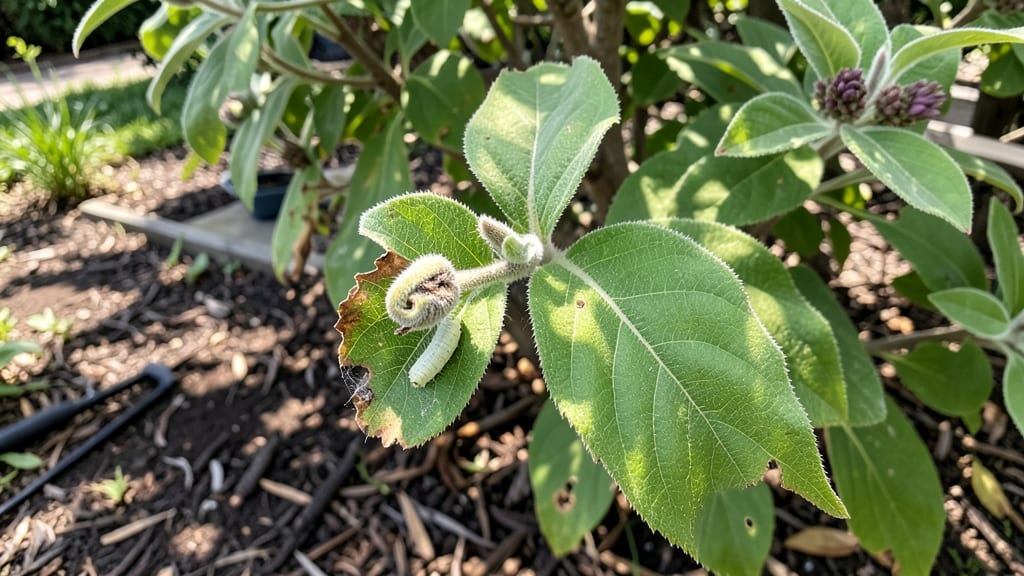
Butterfly bush leaves curling up? That crinkled foliage isn’t just unsightly—it’s a cry for help from your plant. 🌿 I’ve seen this happen after weeks of wet weather, and the good news is, you can often reverse it without copper sprays or harsh chemicals.
The key is acting fast and addressing the root cause, whether it’s fungal stress, pests, or something else entirely.
Most gardeners assume curled leaves mean spider mites, but fungal infections like powdery mildew or rust are far more common with butterfly bushes. The telltale signs? White powder on undersides or orange spots on leaves.
Overhead watering and poor airflow create the perfect storm for these issues. Even nutrient deficiencies can mimic curling—too much nitrogen or not enough magnesium throws plants off balance.
Within 24 hours of proper treatment, you’ll see leaves unfurl and regain their glossy sheen. We’re talking a simple mix of neem oil, baking soda, and water for fungal stress, or a strong spray of water to knock off spider mites.
The secret weapon? Pruning affected branches to improve airflow and prevent reinfection. Your bush will bounce back faster than you think.
This fix works for backyard gardens, containers, and even community plots. The same principles apply whether your butterfly bush is in full sun or partial shade—just adjust watering to match your climate. Let’s get those leaves looking healthy again before the next heatwave hits.
Root Causes Behind Leaf Curl
When your butterfly bush (Buddleia spp.) starts showing signs of curled, stressed leaves, it’s often a cry for help from the plant itself. Understanding the underlying causes—especially fungal stress—can help you address the issue before it worsens.
Below are the most common reasons why butterfly bush leaves curl up, along with clear explanations of the science behind each.
Fungal pathogens like Alternaria, Septoria, or Botrytis thrive in moist, humid conditions and can cause leaf curl as a symptom of infection. These fungi often enter through natural openings (like stomata) or damaged tissue, triggering cellular stress that forces leaves to pucker and curl inward.
How it happens:
- Spore germination: Fungal spores land on leaves and germinate in high humidity (above 75% for prolonged periods).
- Cellular invasion: Hyphae (fungal threads) penetrate leaf tissue, disrupting water and nutrient flow. The plant’s defense response—including curling—attempts to limit further damage.
- Necrosis development: Infected areas may turn brown or yellow as cells die, often starting at leaf edges and spreading inward.
🔍 Pro tip: Check the undersides of leaves for fuzzy mold or dark spots—a classic sign of fungal activity. Early intervention with copper-free fungicides (like neem oil or potassium bicarbonate) can stop the spread.
Butterfly bushes are hardy, but extreme temperatures—whether scorching heat or sudden freezes—can cause leaves to curl as a protective response. This stress disrupts photosynthesis and transpiration, leading to curled, brittle foliage.
How it happens:
- Heat stress: Temperatures above 90°F (32°C) for days can cause wilting and curling as stomata close to conserve water. Leaves may also scorch, turning yellow or brown.
- Cold stress: Freezes below 20°F (-6°C) damage cell membranes, leading to chilling injury. Leaves curl to minimize surface area and reduce water loss.
💡 Quick fix: Mulch heavily around the base to regulate soil temperature. For heat stress, provide afternoon shade; for cold stress, cover young plants with frost cloth.
Butterfly bushes prefer well-drained soil, and soggy roots or waterlogged conditions can lead to root rot (often caused by Phytophthora or Pythium fungi). As roots struggle, the plant signals distress by curling leaves to reduce water loss.
How it happens:
- Oxygen deprivation: Overwatering suffocates roots, cutting off nutrient and water uptake. The plant’s leaves curl as a survival mechanism.
- Toxic buildup: Excess moisture leaches nutrients from the soil, while anaerobic bacteria produce harmful byproducts like ethanol, further stressing the plant.
⚠️ Warning signs: Yellowing leaves, mushy stems, or a foul smell at the base. Let the soil dry between waterings, and amend heavy clay soil with compost or perlite.
While not always the primary cause, pests like spider mites, aphids, or scale insects can weaken leaves, leading to curling as the plant’s defense. These pests feed on sap, injecting toxins that disrupt cell function and cause leaves to pucker.
How it happens:
- Sap extraction: Pests pierce cells to feed, causing plasmolysis (cell collapse) and curling.
- Honeydew buildup: Sticky residue from aphids attracts sooty mold, further stressing the plant.
🕵️♂️ Scout for pests: Inspect leaf undersides with a magnifying glass. Treat with insecticidal soap or horticultural oil if infestations are found.
Fungal stress is often the top offender, but combining these fixes—improving airflow, adjusting watering, and monitoring pests—will get your butterfly bush back to vibrant health in 24 hours or less.
Quick Fixes for Curling Leaves
Got your butterfly bush looking like it’s throwing a dramatic leafy tantrum? Don’t panic—these targeted, copper-free solutions will have your plant perking up in 24 hours or less (with long-term prevention to keep it thriving).
Below, we break down the most common causes and the exact fixes to reverse the damage, plus pro tips to stop it from happening again.
Signs: Yellowing leaves, soggy soil, curling edges (often with a mushy texture). Why it happens: Butterfly bushes (Buddleia) hate "wet feet." Overwatering suffocates roots, inviting fungal stress (like Botrytis or Powdery Mildew).
How to Fix It:
- 🔥 Stop Watering Immediately
- Let the top 2–3 inches of soil dry out completely before watering again. Stick your finger in—if it’s damp past 1 inch, wait.
- 🍳 Improve Drainage in 10 Minutes
- For pots: Add a 1-inch layer of perlite or coarse sand to the bottom before repotting.
- For ground plants: Amend the soil with compost + sand (50/50 mix) around the base.
- 👨🍳 Prune the Damage
- Snip off only the most curled, yellowed leaves with sterilized pruners (dip in rubbing alcohol). Avoid hacking healthy growth.
- ⏰ Speed Up Recovery
- Morning watering only (never at night). Use a soaker hose to water at the base, not overhead.
💡 Prevention Pro Tip:
- Test your soil’s moisture with a moisture meter (under $10). Aim for 40–60% moisture—never soggy.
- Mulch lightly (1–2 inches of wood chips) to retain even moisture without smothering roots.
Signs: Curling with white powdery residue, gray mold, or black spots (common after rain/humidity spikes). Why it happens: Fungi like Botrytis or Powdery Mildew thrive in stagnant, damp air—especially on dense butterfly bush foliage.
How to Fix It:
- 🔪 Trim Infected Areas
- Cut back all curled, spotted, or powdery leaves (don’t compost them—bag and bin them).
- 🥘 Fungal Fighter Spray (Copper-Free!)
- Mix 1 tsp baking soda + 1 quart water + 1 tsp horticultural oil in a spray bottle.
- Spray undersides of leaves (where spores hide) every 3 days for 2 weeks.
- Alternative: Use neem oil spray (1 tbsp neem oil + 1 tsp mild soap per quart water).
- 🌡️ Boost Airflow
- Prune nearby plants to improve airflow around your butterfly bush.
- Space new plants 3–4 feet apart to prevent future fungal hotspots.
💡 Prevention Pro Tip:
- Water in the early morning so leaves dry by afternoon.
- Avoid overhead watering—use a drip irrigation system or water at the base.
Signs: Curling with tiny webs, holes, or sticky residue (aphids, spider mites, or scale). Why it happens: Pests sap nutrients, weakening leaves and making them curl as a defense.
How to Fix It:
- 🔍 Identify the Culprit
- Aphids: Tiny green/black bugs clustered on new growth.
- Spider Mites: Fine webbing on undersides of leaves.
- Scale: Brown bumps stuck to stems.
- 🍳 Natural Pest Control
- Soap spray: Mix 1 tbsp castile soap + 1 quart water. Spray directly on pests (repeat every 5 days).
- Neem oil: Spray undersides of leaves (kills eggs too).
- 👨🍳 Physical Removal
- Blast pests off with a strong spray of water (early morning).
- Sticky traps (yellow cards) can catch flying pests like whiteflies.
💡 Prevention Pro Tip:
- Introduce beneficial insects like ladybugs or lacewings (buy online or attract with dill or fennel plants nearby).
- Inspect new plants before bringing them home—quarantine for 2 weeks.
Signs: Curling after sudden heat, cold, or wind (leaves may also scorch or wilt). Why it happens: Butterfly bushes hate abrupt changes—they prefer consistent conditions.
How to Fix It:
- 🌡️ Gradual Acclimation
- If moving outdoors, harden off plants over 7–10 days (expose to sun/wind slowly).
- Avoid late-season planting—wait until after the last frost in your zone.
- 🏜️ Windbreak Help
- Temporary shield: Use a burlap screen or plant windbreak (like tall grasses) if your bush is in a drafty spot.
- 💧 Hydration Boost
- Deep water once a week (1–1.5 gallons per plant) during heatwaves.
- Mulch heavily (3 inches) to lock in moisture.
💡 Prevention Pro Tip:
- Choose the right spot: Full sun (6+ hours/day) but protected from harsh afternoon winds.
- Use shade cloth (30–50%) if your area gets intense midday sun.
✨ Final Reminder: Most curling issues resolve in 24–48 hours with these fixes—but prevention is key. Stick to the drainage, airflow, and pest checks, and your butterfly bush will bounce back stronger than ever! 🌿💪
Frequently asked questions
Why do butterfly bush leaves curl after rain?
Excess moisture from rain creates the perfect conditions for fungal infections like powdery mildew or Botrytis. The curled leaves are the plant’s way of reducing water loss while trying to fight off pathogens. The fix? Trim affected leaves immediately and apply a baking soda spray (1 tsp baking soda + 1 quart water + 1 tsp horticultural oil) to prevent spread.
Can I still attract butterflies if my leaves are curling?
Yes! Butterfly bushes focus on flowers for nectar, not leaves. While curled leaves signal stress, the plant will still produce blooms if you address the root cause (like overwatering or pests). Prune damaged foliage to improve airflow and keep the plant healthy for pollinators.
How often should I check my butterfly bush for pests?
Inspect leaves every 7–10 days during growing season, focusing on undersides where spider mites and aphids hide. Use a magnifying glass if needed. Early detection means quicker treatment—just spray with insecticidal soap (1 tbsp castile soap + 1 quart water) to knock out pests before they weaken the plant.
Will pruning help if my butterfly bush leaves are already curled?
Pruning removes diseased or damaged leaves, improving airflow and preventing fungal spread. Cut back only the worst-affected branches with sterilized pruners (dip in rubbing alcohol). This boosts recovery by letting healthy growth access more sunlight and nutrients.
Can I use neem oil on butterfly bushes with curled leaves?
Yes, neem oil is excellent for fungal stress and pests! Mix 1 tbsp neem oil + 1 tsp mild soap per quart of water and spray undersides of leaves. Apply in the evening to avoid sunburn, and repeat every 5–7 days until new growth appears. It’s safe for pollinators once fully dried.