
Planting
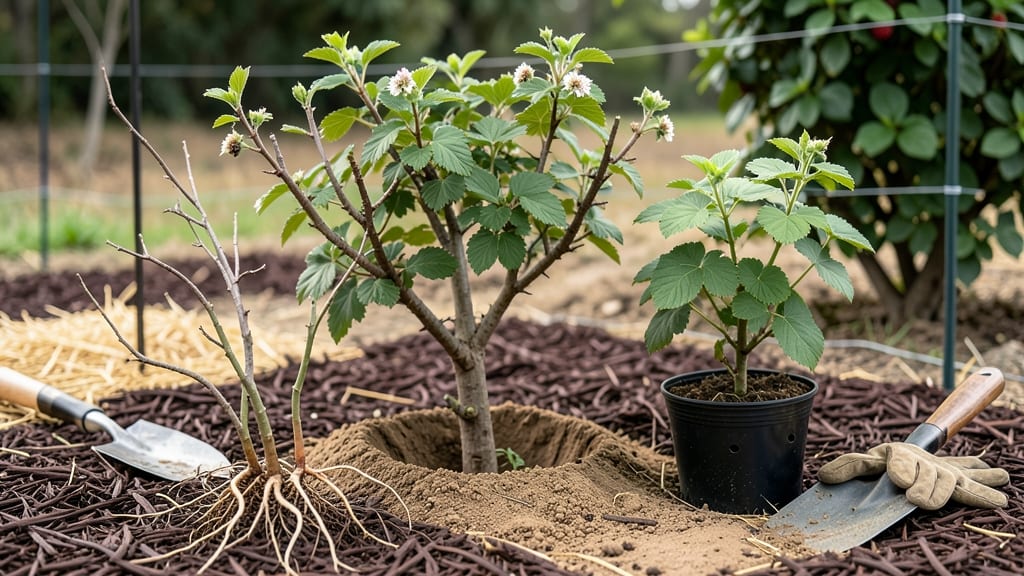
To plant blackberry bushes in NC, aim for late winter through early spring or fall—timing that aligns with your USDA zone and avoids the worst heat or frost risks.
Picture this: you’ve spent hours picking the perfect spot for your 🫐 bushes, only to watch them struggle because you planted them too early or too late.
In North Carolina, where zones 6a-8b bring wildly different climates, getting the window right isn’t just about the calendar—it’s about knowing when your soil warms, when last frost hits, and how your variety responds.
Spring planting gives blackberries a head start before summer’s heat, while fall offers cooler soil and fewer pests. But miss the mark, and you’ll deal with stunted growth, weak canes, or even winter dieback.
The good news? With the right timing and a few extra steps, you can set your bushes up for a bountiful harvest in June-August.
Below, I’ll break down the best months for each zone, how to prep your soil, and the critical care steps that keep your blackberries thriving year after year—no guesswork included.
Best planting months for blackberries in North Carolina by Zone
North Carolina’s diverse climate—spanning USDA zones 7a to 8b—means blackberry planting timing varies dramatically from the coastal plains to the mountain regions.
In Zone 7a (western NC), you’ll want to plant 2-3 weeks earlier than in Zone 8b (eastern NC) to avoid late spring frosts or summer heat stress. The ideal window is either early spring (March-April) or fall (September-October), but the right choice depends on your microclimate and blackberry variety.
Fall planting is often preferred because it gives roots time to establish before winter dormancy, while spring planting requires careful timing to avoid late frost damage.
For primocane varieties (like 'Natchez' or 'Ouachita'), fall planting is critical—they produce fruit on new growth, so a strong root system is essential. Floricane varieties (like 'Chester' or 'Triple Crown') can handle either season, but fall planting still gives them a head start.
Here’s a quick reference for North Carolina’s USDA zones and the best planting months to maximize your blackberry’s success:
| USDA Zone | Best Planting Months | Key Considerations | Avoid Planting After |
|---|---|---|---|
| 7a (Western NC) | March 1–April 15 | Late frosts common; choose cold-hardy varieties like 'Chester'. | May 1 (summer heat stress risk) |
| 7b (Piedmont) | March 15–April 30 | Moderate climate; fall planting (Sept 15–Oct 15) also works. | June 1 (drought risk) |
| 8a (Coastal Plains) | April 1–May 15 | Warmer winters; fall planting (Sept 1–Oct 31) preferred. | July 1 (humidity/fungal risk) |
| 8b (Eastern NC) | April 15–May 30 | Long growing season; primocanes thrive here. | August 1 (heat exhaustion risk) |
In Zone 7a, where winters are colder, I recommend fall planting (September-October) to give roots time to establish before the first frost, typically around November 15.
For Zone 8b, where winters are milder, you can stretch planting into early May, but avoid summer planting (June-August)—the intense heat and humidity can stress young plants and invite fungal diseases like anthracnose.
One common mistake gardeners make is planting blackberries in late spring or early summer. The soil stays warm, which can cause roots to dry out quickly, and the young canes may not have time to harden off before winter.
If you miss the fall window, wait until next spring—don’t rush and plant in June or July, even if you’re eager for a harvest. Patience here pays off with stronger, healthier bushes.
Another critical factor is dormancy requirements. Blackberries need a period of cold dormancy (300–600 chill hours) to break dormancy and produce fruit.
In Zone 8b, where winters are shorter, choose primocane varieties like 'Apache' or 'Arapaho', which fruit on new growth and don’t rely as heavily on winter chilling. In Zone 7a, floricane varieties like 'Chester' or 'Darrow' are better suited to the colder winters.
If you’re planting in fall, aim to get your blackberries in the ground 6–8 weeks before the first frost. This gives roots enough time to establish without encouraging new top growth that could be damaged by freezing temperatures.
In Zone 7a, that means planting by October 15, while in Zone 8b, you can push it to November 1. Always check your local last frost date—it’s your best guide.
For spring planting, time it so that your blackberries have 4–6 weeks of growth before the next expected frost. In Zone 7a, that’s typically by April 15, while Zone 8b gardeners can wait until May 1.
Planting too early in spring risks late frost damage, while planting too late may leave your bushes struggling to establish before summer heat sets in.
Pro tip: If you’re unsure about your exact USDA zone, use the NC State Extension’s zone finder (link in resources) or check the average last frost date for your county.
For example, Asheville (Zone 7a) has a last frost around March 15, while Raleigh (Zone 7b) sees its last frost around March 25. These small differences matter when planning your blackberry schedule.
Finally, remember that bare-root canes (the most common planting method) need to be planted as soon as they arrive to prevent drying out.
How to prepare your NC soil and site for blackberry planting success
Before planting blackberry bushes in North Carolina, your soil and site preparation are critical for success. Blackberries thrive in well-draining soil with a pH between 5.5 and 6.5, and they demand full sun exposure for optimal fruit production.
Skipping these steps can lead to poor growth, disease susceptibility, and reduced harvests. Let’s break down how to get your site ready for these hungry shrubs.
Start by testing your soil’s pH level and nutrient content. Most NC soils tend to be slightly acidic, but blackberries prefer a mildly acidic to neutral range.
If your soil is too alkaline, amend it with sulfur or peat moss to lower the pH. For sandy soils common in coastal NC, incorporate organic matter like compost to improve water retention and fertility.
Don’t forget to clear the area of weeds and debris—blackberries hate competition for nutrients and space.
📌 Key Preparation Steps for NC Blackberry Planting
- 1. Test Soil pH – Aim for 5.5–6.5; adjust with sulfur or lime if needed.
- 2. Choose Full Sun – Select a site with 6+ hours of direct sunlight daily.
- 3. Amend Soil – Mix in 2–3 inches of compost or aged manure for fertility.
- 4. Install Trellis – Use T-posts or wires for support; blackberries need vertical space.
- 5. Pick Variety – Choose primocane (fall-bearing) or floricane (summer-bearing) types for NC’s climate.
North Carolina’s climate offers two prime planting windows: early spring (March–April) and fall (September–October). Spring planting gives canes time to establish roots before summer heat, while fall planting allows roots to settle before winter dormancy.
If you’re in Zone 7a (cooler regions), opt for fall planting to avoid late spring frosts that can damage new growth. For Zone 8a (warmer areas), early spring is ideal to beat summer’s intense heat.
When selecting blackberry varieties, consider NC’s humid summers and mild winters. Primocane varieties like ‘Natchez’ or ‘Arapaho’ produce fruit on new growth, bearing in fall and winter, while floricane types like ‘Duke’ or ‘Chester’ fruit in late spring to summer.
Primocanes are great for extending your harvest season, but floricanes often yield larger berries. Choose based on your preferred harvest time and your region’s last frost date.
After amending your soil, create planting mounds or trenches to improve drainage, especially in clay-heavy soils common in the Piedmont region. Space canes 4–6 feet apart in rows 8–10 feet apart to allow airflow and easy maintenance.
Install a trellis system immediately—blackberries grow aggressively and need support to prevent sprawling and disease. Use 3–4 feet of vertical space for canes to climb and fruit efficiently.
Finally, mulch around the base of your blackberries with 2–3 inches of organic mulch like straw or wood chips. This helps retain moisture, suppress weeds, and regulate soil temperature. Avoid thick mulch layers, as they can suffocate roots.
Water deeply after planting to encourage root establishment, and keep the soil consistently moist but not soggy during the first growing season. With the right prep, your blackberry bushes will reward you with years of bountiful harvests! 🫐