
Plants
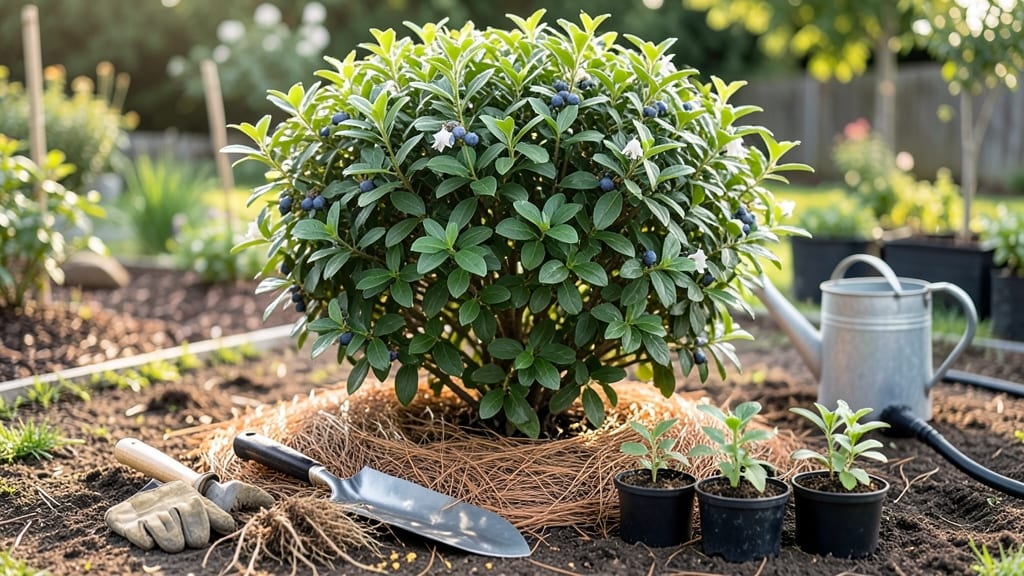
Planting blueberry bushes in North Carolina between February and April sets you up for a bountiful harvest in just a few years.
But here’s the catch: timing isn’t just about the calendar—it’s about chill hours and soil prep. Skip the right window, and you’ll end up with weak roots or even no fruit.
North Carolina’s varied zones (6a–8b) mean what works in the Piedmont won’t always suit the coast, so let’s break it down by variety and location.
Whether you’re growing southern highbush, rabbiteye, or northern highbush, the key is planting when the soil is workable but before buds swell. Coastal areas can plant a little earlier, while inland zones might wait until mid-March to avoid late frosts.
I’ll show you exactly how to match your variety to your zone for the best results.
You’ll also learn how to test your soil’s acidity (blueberries need a pH of 4.5–5.5), when to fertilize, and how to protect young plants from NC’s unpredictable spring weather. Ready to get started?
Best planting months for NC blueberries by variety and chill hours
North Carolina’s diverse climate—from the coastal humidity of the Outer Banks to the Piedmont’s cooler nights—means blueberry planting timing varies by variety. The key factor? Chill hours, which determine when your bushes break dormancy.
Southern highbush varieties (300–600 chill hours) thrive in NC’s warmer zones, while rabbiteye (200–400 hours) and northern highbush (600+ hours) need precise timing to avoid frost damage or poor fruit set.
For bare-root plants, aim to plant when soil is workable but not frozen—typically February through March in most of NC. Container-grown bushes offer more flexibility, allowing fall planting in mild zones (7a+) or even late winter.
The goal? Give roots 6–8 weeks to establish before summer heat stresses young plants.
Regional adjustments matter: Coastal areas (like Wilmington) can plant slightly earlier (January–February) due to milder winters, while the Mountains (Zone 6a) should wait until late March to avoid late frosts. Always check your last frost date—NC State Extension’s Frost/Freeze Maps are your best friend.
| Variety Type | Chill Hours | Best Planting Months (NC) | Regional Notes |
|---|---|---|---|
| Southern Highbush | 300–600 | February–April | Zones 7b–9; coastal areas can plant in January. |
| RabbitEye | 200–400 | February–March | Zones 6b–8a; Piedmont areas prefer late March. |
| Northern Highbush | 600+ | March–April | Zones 5b–6a; avoid fall planting in frost-prone areas. |
Why March is ideal for most NC growers? It balances soil warmth (50°F+) with reduced frost risk. Planting in late April risks summer heat stress, while January plantings in colder zones may not establish roots before buds swell.
For container-grown bushes, you can extend the window to May, but prioritize even moisture during the first year.
Pro tip: If you’re in Zone 7a or warmer, consider fall planting in October–November for southern highbush varieties. The cooler temps encourage root growth without the stress of summer heat. Just avoid planting when soil temps drop below 50°F—roots won’t establish in cold soil.
For rabbiteye varieties (like ‘Tifblue’ or ‘Powderblue’), time planting to align with flower bud development. These bushes need 200–400 chill hours, so planting in February ensures buds form correctly. Delaying until April might lead to poor fruit set if chill hours are insufficient.
Northern highbush varieties (e.g., ‘Bluecrop’ or ‘Duke’) are less common in NC but work in Zone 6a. Plant them in March–April to avoid late frosts damaging new growth. These varieties need 600+ chill hours, so coastal NC (Zone 8a+) isn’t suitable—opt for southern highbush instead.
Always amend soil with peat moss or pine bark to lower pH to 4.5–5.5, and mulch with pine needles to retain acidity. After planting, water deeply 1–2 times per week for the first month to encourage root spread.
Avoid fertilizing until spring of the second year—young bushes need to focus on roots, not fruit.
Remember: Microclimates matter. A south-facing slope in the Piedmont may warm up faster than a shady valley, so adjust planting dates accordingly. When in doubt, consult your local NC Cooperative Extension office for hyper-local advice tailored to your county’s frost patterns.
🌱
How to choose the right blueberry variety for NC’s climate zones
North Carolina’s diverse climate zones (5b to 8a) mean you can grow blueberries year-round—but not all varieties thrive equally. Southern highbush varieties love the heat, while northern highbush types need cooler winters.
Matching your USDA zone to the right variety ensures better fruit production and fewer gardening headaches. Let’s break it down by zone and variety.
First, test your soil pH—blueberries demand acidic soil (4.5–5.5). If your soil is too alkaline, amend it with peat moss or sulfur before planting. Heat tolerance is another key factor: Rabbiteye varieties handle NC’s summer heat better than northern types.
For example, ‘Climax’ (Zone 5b–8a) is a top pick for cooler mountain regions, while ‘Peach Sorbet’ (Zone 6–9) excels in hotter Piedmont areas.
NC Blueberry Variety Recommendations by Zone
- ✅ Pros: Cold-hardy, low chill needs
- ✅ Best Varieties: Climax, Jersey
- ❌ Cons: Smaller berries, shorter season
- ✅ Pros: Larger berries, longer harvest
- ✅ Best Varieties: Bluecrop, Duke
- ❌ Cons: Needs consistent moisture
- ✅ Pros: Heat-tolerant, early ripening
- ✅ Best Varieties: Peach Sorbet, Southern Highbush
- ❌ Cons: Less cold-hardy, needs shade
For Zone 5b–6a (western NC), prioritize northern highbush varieties like ‘Bluecrop’ or ‘Jersey’. These handle colder winters and produce large, sweet berries.
In Zone 7b–8a (coastal areas), opt for southern highbush or rabbiteye types like ‘Premier’, which thrive in warmer, humid conditions. Heat stress can stunt growth, so mulch heavily to retain moisture.
If you’re in Zone 6b–7a (central NC), ‘Duke’ or ‘Tifblue’ are excellent choices. These mid-season varieties balance chill hours and heat tolerance, yielding juicy, disease-resistant berries. Always plant in well-draining soil with 3–4 feet of spacing between bushes to prevent fungal diseases like botrytis.
Pro tip: Pair two varieties for cross-pollination (e.g., ‘Bluecrop’ + ‘Duke’). This boosts fruit set by 30–50%. Avoid planting near tomatoes or potatoes, as they share diseases like verticillium wilt. Instead, plant near companion plants like thyme or marigolds to deter pests naturally.
Finally, consider dwarf varieties like ‘Top Hat’ if space is limited. These stay under 3 feet tall and produce abundant berries in containers or small gardens. Just ensure they get full sun and acidic soil—the same rules apply!
With the right variety for your zone, you’ll enjoy homegrown blueberries for decades with minimal fuss. 🫐