
Pruning
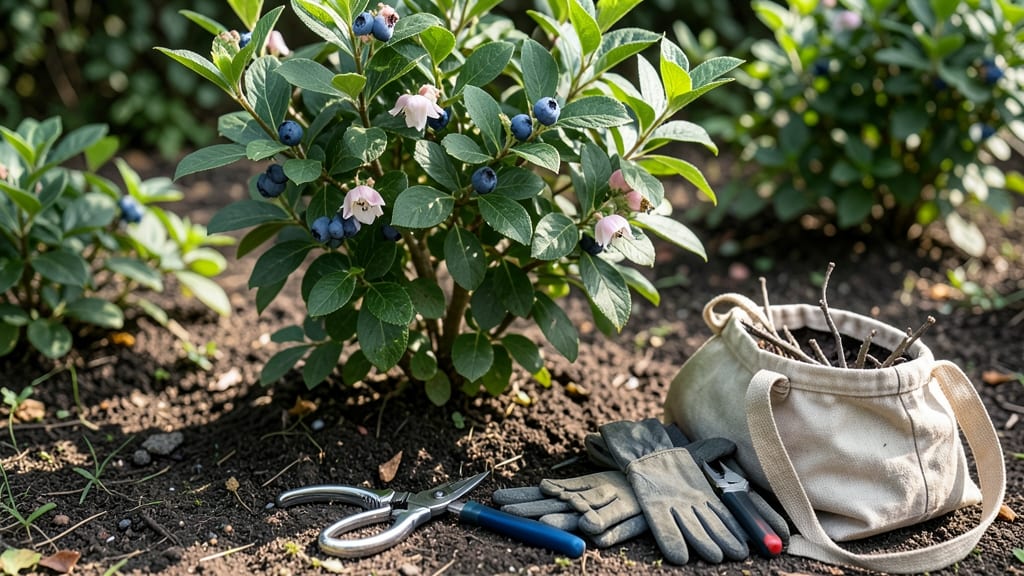
Pruning blueberry bushes in North Carolina during late winter ensures stronger growth and bigger harvests 🫐 — but the timing must match your zone’s frost risks and bloom schedule.
North Carolina’s humid climate and unpredictable late-winter weather can make blueberry pruning tricky—but timing it right ensures healthier bushes and sweeter harvests. Get the science-backed schedule to prune your blueberries for maximum yield this season.
Most gardeners in zones 6a-8b should prune between late February and early March, when the bushes are still dormant but before buds swell. This window balances frost protection with new growth stimulation, and it’s the key to avoiding those frustrating late-spring diebacks.
Below, I break down the exact cues to watch for—branch color, bud formation, and micro-climate tweaks for coastal vs. Piedmont regions—so you can prune with confidence and set your bushes up for a record harvest.
Best late winter pruning timing for North Carolina blueberry bushes
Pruning your blueberry bushes at the right time in North Carolina can mean the difference between a bountiful harvest and a disappointing one. The 3-week window from late February to early March is critical—it’s when bushes are still dormant but new growth is about to begin.
This timing helps avoid late-winter frost damage while encouraging vigorous spring growth.
Blueberries enter dormancy in late fall, but their buds begin swelling in late winter—a perfect cue for pruning. In NC’s humid subtropical climate, waiting too long risks cutting off flower buds that will produce this year’s fruit.
Meanwhile, pruning too early in winter can leave bushes vulnerable to cold snaps and pests.
📋 Key Pruning Window: Late February to early March (adjust 1-2 weeks based on your USDA zone and microclimate). Coastal areas (like Wilmington) may need to wait until mid-March due to milder winters, while Piedmont regions (like Raleigh) can start as early as late February.
| Region | Ideal Pruning Time | Key Cues | Avoid |
|---|---|---|---|
| Coastal (Zones 8a-8b) | Mid-March to early April | Bud swell visible, last frost risk past | Pruning before buds swell |
| Piedmont (Zones 7a-7b) | Late February to mid-March | Dormant buds firm but not yet open | Cutting after first bloom |
| Mountains (Zones 6a-6b) | Early March (after last frost) | Soil thawed, no frost forecast | Pruning in frost-prone weeks |
| Microclimate Tip | Adjust 1-2 weeks | Check local frost dates | Over-pruning (>30% of bush) |
Your blueberry bushes need 3 key conditions before pruning: dormancy, no frost risk, and visible bud swell. In Zone 7a (common in the Piedmont), this usually aligns with late February.
Look for brown, dead branches (cut these first) and thin, water-sprout growth (remove these next). Avoid cutting green, healthy wood—this carries next year’s flowers.
If you’re in a warmer microclimate (like near a lake or south-facing slope), delay pruning until you see 10-15% of buds open. Coastal gardeners in Zone 8b should wait until early April to avoid stimulating growth too early in the season.
Use the NC State Extension’s frost calendar as your guide—prune 10-14 days after the last expected frost.
Pruning too late—after flower buds open—reduces your harvest yield by up to 40%. The ideal time is when bushes are fully dormant but buds are just starting to plump up.
This ensures you’re not removing fruit-producing wood while still encouraging airflow and sunlight penetration for the remaining branches.
For young blueberry bushes (under 3 years old), limit pruning to removing only dead or diseased wood. Mature bushes (over 5 years) can handle 15-20% of branches removed to open up the center.
Use sterilized pruners and make cuts at a 45-degree angle, just above a bud or branch collar.
After pruning, apply a 2-3 inch layer of mulch (like pine straw or wood chips) to retain soil moisture and acidity. This is especially important in NC’s clay-heavy soils, which can dry out quickly in spring.
Water deeply once a week for the first month post-pruning to help bushes recover.
Pro tip: Label your bushes before pruning if you have multiple varieties. Southern Highbush types (like ‘Duke’ or ‘Climax’) bloom earlier than Northern Highbush varieties (like ‘Bluecrop’), so
Step-by-step pruning guide: what to cut and why
Pruning blueberry bushes in North Carolina isn’t just about shaping your plants—it’s about boosting fruit production and preventing disease. The key is removing the right branches at the right time, using visual cues like branch color and bud formation.
Start by identifying dead or diseased wood, which appears brown or mushy and lacks buds.
Next, look for crossing branches that rub against each other, creating wounds where pests can enter. These should be cut back to the base of the bush. Thinning out overcrowded stems improves airflow, reducing humidity-related diseases like botrytis blight, which thrives in NC’s damp climate.
⚠️ callout warning ⚠️
⚠️ Critical Mistake: Pruning Too Late
If you prune after late March, you risk cutting off flower buds that form the year’s harvest. In North Carolina’s Zone 6a-8b, wait until dormant buds swell (early spring) but before pink buds appear (late winter).
Pro Tip: Use a 10x magnifier to spot tiny buds—this ensures you prune just before flowering.
For shaping your bush, focus on open-center pruning, which keeps the center airy and light-filled. Remove older canes (those over 5 years old) at the base—they produce fewer berries. Leave younger canes (1-3 years old) to bear fruit, as they’re the most productive.
Use clean, sharp pruners to make 45-degree cuts just above a bud or branch collar. Avoid leaving stubs, which invite rot. Sterilize your tools with rubbing alcohol between cuts to prevent spreading fungal spores common in NC’s humid summers.
After pruning, mulch around the base with pine needles or wood chips to maintain soil acidity (blueberries love pH 4.5-5.5). This also suppresses weeds and retains moisture. Avoid over-pruning—never remove more than 25% of the bush’s foliage in one season, or you’ll stress the plant.
Finally, monitor your bush for new growth within 2-3 weeks. Healthy canes will sprout bright green leaves by early spring. If you see yellowing leaves or stunted growth, adjust your fertilizer or watering schedule—both critical for North Carolina’s variable climate. 🫐