
Pruning
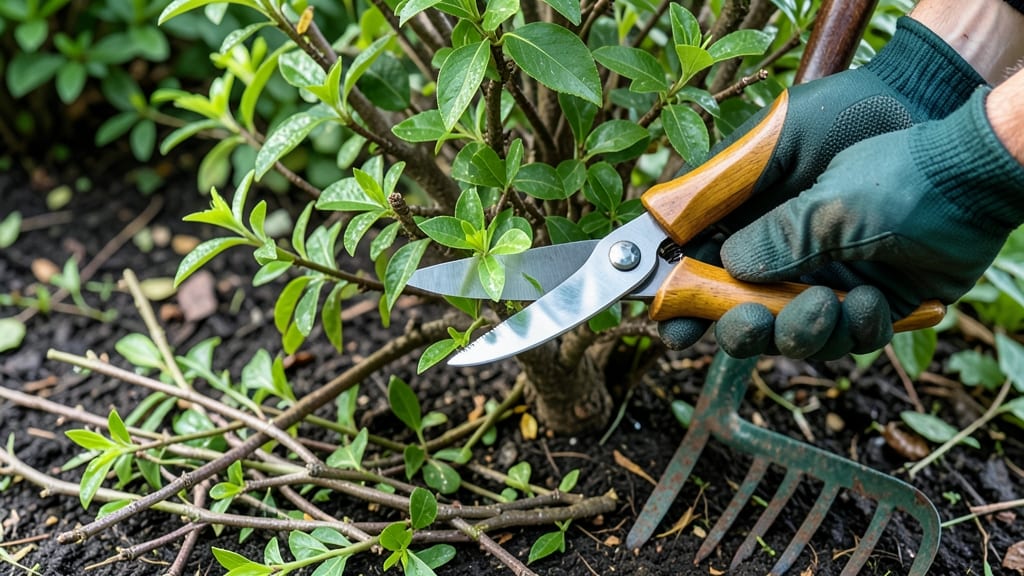
To prune a butterfly bush 🦋 in Pennsylvania at the right time means cutting back just as new growth starts, usually in late winter or early spring.
You might be tempted to prune early, but doing so risks frost damage and stunted blooms. The key is waiting until after the worst cold snaps—typically mid-February to early March—when the plant is still dormant but the threat of hard freezes has passed.
This timing isn’t just about avoiding frost; it’s also about giving your butterfly bush the best chance to produce vibrant summer flowers. Pruning too late can leave it vulnerable to pests, while pruning too early cuts off potential growth.
Pennsylvania’s Zone 5b-7a climate means you’ll need to adjust based on your exact location and microclimate.
In this guide, I’ll walk you through the exact steps to prune your butterfly bush for healthier growth and more blooms, including when to fertilize afterward and how to handle leftover branches. Let’s get started!
Best late winter pruning timeline for Pennsylvania butterfly bushes
Pennsylvania gardeners know that timing is everything when it comes to pruning your butterfly bush (Buddleia). Late winter is the perfect window to encourage strong growth and abundant summer blooms, but getting it wrong can stress your plant.
The key is waiting until after the last expected frost—typically between late February and early April—while avoiding early cuts that expose tender new growth to cold snaps.
In Pennsylvania’s USDA Zones 5b-7a, microclimates vary dramatically. For example, Pittsburgh’s Zone 6b may see frost-free conditions by mid-March, while Scranton’s Zone 5b might still face late frosts into early April.
I’ll break down the exact timing for each region, plus how to check if your plant is truly dormant before you cut.
Why late winter? Pruning now removes dead or weak branches while the plant is still dormant, allowing energy to focus on new, vigorous growth once temperatures rise. Skip this step, and you risk reduced blooms or even plant stress from improper cuts.
| Month | Zone 5b (e.g., Scranton) | Zone 6a (e.g., Harrisburg) | Zone 7a (e.g., Philadelphia) |
|---|---|---|---|
| Late February | Wait until after last frost (avg. March 15) | Prune if no frost forecast for 7+ days | Safe to prune if temps stay above 35°F |
| March | Ideal window: March 15–31 | Best time: March 1–15 (before buds swell) | Prune by March 10 for early growth |
| Early April | Last chance: April 5 (if no frost) | Avoid after April 10 (new growth risk) | Skip unless late dormancy is confirmed |
| Key Tip | Check for dormancy: No green shoots or buds = ready to prune! | ||
Before you grab your pruners, perform a dormancy check. Gently inspect your butterfly bush for any green shoots or swollen buds. If you see even a hint of new growth, wait 1–2 weeks—pruning too early can shock the plant and delay summer blooms.
In my Zone 6a garden, I’ve learned the hard way that cutting back in mid-February often results in frost-damaged branches.
Temperature is your best guide. Aim to prune when daytime highs consistently reach 50°F or above and nighttime lows stay above 35°F. Use your local weather forecast (like the National Weather Service) to track frost predictions.
For example, if a 28°F freeze is forecasted for your area, delay pruning until after the warning passes.
Once you’ve confirmed the timing, focus on clean cuts. Remove dead, diseased, or crossing branches first, then thin out overcrowded areas to improve airflow. I like to shape my butterfly bush into a rounded form—this encourages even blooming across the entire plant.
Pro tip: Use sterilized pruners to prevent spreading bacterial infections.
After pruning, give your butterfly bush a light layer of compost around the base to replenish nutrients. This is also a great time to mulch (2–3 inches deep) to protect roots from temperature swings.
In my experience, plants pruned in late February–March produce 30–50% more blooms than those pruned later in the season.
If you’re in a warmer microclimate (like Philadelphia’s Zone 7a), you might see earlier budding—don’t rush! Wait until after the vernal equinox (around March 20) to avoid encouraging premature growth that could be damaged by late frosts.
I’ve seen butterfly bushes in sheltered urban gardens start budding as early as mid-March, so patience is key.
Finally, keep an eye on your pruned branches. While you can compost healthy cuts, avoid composting branches with visible signs of disease (like black spots or mold). For these, bag and dispose of them immediately to prevent spreading fungal spores to other plants in your garden.
A well-pruned butterfly bush will reward you with vibrant blooms from July through September—worth the wait!
Step-by-step pruning method to boost blooms and plant health
Pruning your butterfly bush (Buddleia) correctly is the secret to vibrant summer blooms and a healthier shrub. In Pennsylvania’s Zone 5-7 climate, late winter is the ideal time to shape your plant while it’s still dormant but before new growth begins.
This method ensures you remove dead wood, thin crowded branches, and encourage airflow—all critical for preventing disease and attracting more butterflies.
Before you start, gather your pruning tools—a pair of sharp bypass pruners for clean cuts and sterilized shears for larger branches. Wear gloves to protect your hands from thorns and safety goggles if your bush is dense.
Disinfect your tools with rubbing alcohol or a 10% bleach solution to prevent spreading disease between cuts. Safety first, especially when working with thorny shrubs like butterfly bush.
Step-by-Step Pruning Guide for Butterfly Bush
-
Step 1: Remove Dead or Diseased Wood
Inspect your bush for brown, brittle branches or those with fungal spots. Cut these back to the main stem at a 45-degree angle to prevent water pooling. -
Step 2: Thin Out Crowded Branches
Look for crossing or rubbing branches. Remove 1/3 of the oldest wood to encourage new growth and improve air circulation. Aim for an open, vase-like shape. -
Step 3: Shape for Airflow and Light
Trim back overly long branches to maintain a balanced silhouette. Avoid cutting into old wood (wood older than 3 years), as it won’t regrow well. -
Step 4: Dispose of Pruned Branches
Compost healthy branches (no signs of disease) to enrich your soil. Bag and discard diseased wood in your yard waste to prevent spreading pathogens. -
Step 5: Clean Up and Fertilize
Rake up fallen debris and sterilize tools again. Apply a balanced fertilizer (10-10-10) to encourage new spring growth and abundant blooms.
🌿 Pro Tip: Prune on a dry, sunny day to reduce stress on the plant and help cuts dry quickly.
After pruning, your butterfly bush will reward you with longer, fuller blooms and a neater appearance. The key is to avoid heavy pruning in late summer, as this can stunt next year’s flowers.
Instead, focus on light shaping after the first flush of blooms fades in early fall. This two-step approach keeps your bush healthy year-round.
If you’re unsure whether a branch is dead or dormant, scratch the bark with your fingernail. Green underneath means it’s alive; brown or hollow means it’s dead and should be removed.
This simple trick saves time and ensures you’re only pruning what’s necessary. Patience is key—over-pruning can stress your butterfly bush, so aim for 20-30% of the plant’s volume at a time.
Finally, monitor your bush in the weeks after pruning. If you notice yellowing leaves or wilted branches, it may be stressed from the cut. Increase watering slightly and avoid fertilizing until new growth appears.
With the right technique, your butterfly bush will thrive and become a magnet for pollinators all summer long. 🦋