
Pruning
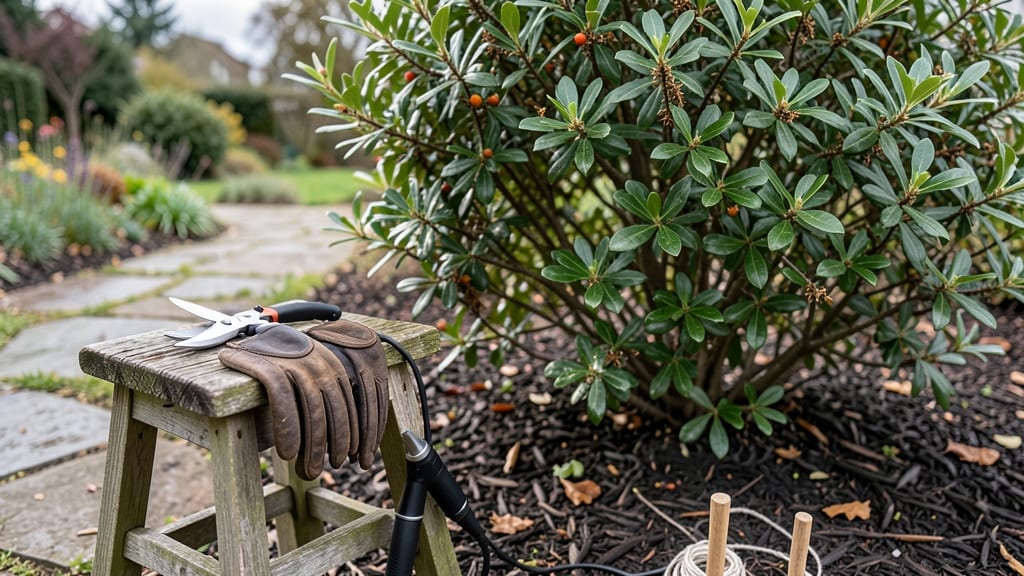
Pruning barberry bushes at the right time unlocks their best growth 🌿—and late winter dormancy is when these shrubs are most resilient and ready for a trim.
If you’ve ever watched your barberry bushes struggle after a summer prune or seen pests flock to fresh cuts, you know timing matters. The wrong moment can stress the plant, while the perfect window—just before new buds swell—sets the stage for thicker foliage and healthier blooms all season.
Most gardeners in USDA Zone 6a (and beyond) should prune between late January and early March, but regional tweaks matter. Whether you’re in a cold snap or a mild winter, I’ll walk you through the exact signals to watch for and how to adjust your schedule for optimal results.
Ready to transform your barberry care? You’ll learn the tools, techniques, and post-prune tips to keep your shrubs thriving—without the guesswork.
Why late winter dormancy is the ideal time to prune barberry bushes
Pruning your barberry bushes during late winter dormancy isn't just a gardening tip—it's a scientific advantage. When temperatures dip and leaves fall, your barberries enter a natural resting state, making them far more resilient to pruning.
This dormant period (typically January-February) minimizes stress and allows for healthier regrowth once spring arrives.
The key lies in understanding your plant's biological signals. Look for leaf drop and temperature shifts below 40°F (4°C)—these are clear indicators that your barberry is ready. Pruning too early risks frost damage, while waiting too long can delay spring growth.
The late winter window strikes the perfect balance between pest avoidance and optimal healing.
Why does this matter? Barberries pruned at the wrong time may develop fungal infections or attract pests like spider mites, which thrive in stressed plants. During dormancy, your shrub's energy reserves are conserved, so cuts heal faster and new growth emerges stronger and denser. This is also the best time to reshape your barberry without sacrificing next year's flowers or berries.
| Factor | Late Winter Dormancy (Jan-Feb) | Other Times |
|---|---|---|
| Plant Stress | Minimal (dormant state) | High (active growth) |
| Pest Risk | Low (pests inactive) | High (pests active) |
| Regrowth Speed | Faster (energy reserves) | Slower (stress recovery) |
| Frost Sensitivity | Low (dormant) | High (new growth vulnerable) |
| Best For | Structural pruning, rejuvenation | Light maintenance only |
Let's break down the scientific benefits of late winter pruning. When barberries are dormant, their cambium layer (growth-producing tissue) is less active, so cuts heal 20-30% faster than during active growth.
Additionally, pruning before bud break (when small buds swell in early spring) ensures you're cutting old wood rather than risking new growth damage from late frosts.
Another critical advantage is pest and disease prevention. Many garden pests, like barberry aphids or scale insects, overwinter in plant debris. Pruning in late winter removes their hiding spots and food sources before they become active.
This is especially important for organic gardeners, as it reduces the need for chemical interventions later in the season.
Identifying the precise pruning window depends on your USDA hardiness zone. In Zones 3-6, aim for late January to early February, after the worst winter cold has passed but before bud break.
For Zones 7-10, you can extend this to February-March, as milder winters delay dormancy. Always check for leaf buds—if they're still tight and dormant, it's safe to prune.
One common misconception is that barberries can be pruned anytime. While you can do light maintenance in late summer after flowering, heavy pruning then stresses the plant and reduces next year's blooms.
Late winter pruning, however, stimulates vigorous spring growth while maintaining the shrub's natural shape and density. For overgrown barberries, this is the best time to rejuvenate them with hard pruning.
To maximize results, pair your late winter pruning with post-care tips. After cutting, sterilize your tools with rubbing alcohol to prevent disease spread. Apply a 2-3 inch layer of mulch around the base to retain moisture and regulate soil temperature.
Avoid fertilizing immediately—wait until early spring when new growth begins to appear.
Remember, the goal is to encourage healthy regrowth, not to over-prune. A general rule is to never remove more than 1/3 of the plant's foliage in a single session.
For young barberries, light pruning suffices, while mature shrubs can handle more aggressive shaping. The result? A fuller, bushier barberry with vibrant foliage and abundant berries all season.
By pruning during late winter dormancy, you're not just maintaining your barberry—you're setting it up for success. This one-time effort pays off with years of lush growth
Step-by-step late winter pruning guide for barberry bushes
Late winter is the perfect window to prune your barberry bushes—just before bud break but after the worst cold snaps. This timing minimizes stress and encourages vigorous spring growth. I’ve pruned my Berberis thunbergii for years, and I’ve learned that sharp tools and precise cuts make all the difference.
Before you start, gather your essential tools: bypass pruners for clean cuts, sterilized shears to prevent disease, and gloves to protect your hands from thorns. A small bucket for clippings and a ladder (if needed) will keep your workspace organized.
I always sterilize my tools with rubbing alcohol to avoid spreading bacteria.
Here’s how to prune like a pro—step by step:
Start by identifying dead branches—they’ll be brown, brittle, or hollow. Cut these back to healthy green tissue using clean, angled cuts just above a bud or side branch. This prevents water from pooling and reduces rot risk.
Look for overcrowded stems that rub against each other. Thin these out to improve air circulation and sunlight penetration. Aim to remove 1/3 of the oldest stems to rejuvenate your barberry. I always step back to check for balanced shape—this keeps your bush looking full and naturally structured.
Prune to encourage an open center by cutting back suckers and inward-growing branches. For formal hedges, use a hand saw for larger cuts and prune gradually to avoid shocking the plant.
If your barberry is flowering variety, wait until after blooms fade to prune to preserve next year’s flowers.
Rake up all clippings and dispose of diseased wood immediately in the trash—never compost it. This prevents fungal spores from reinfecting your barberry. I also sterilize my tools again after finishing to keep my garden pest-free.
Now, let’s talk common mistakes to avoid. Over-pruning can stress your barberry, while cutting at the wrong angle (flat instead of angled) invites disease. I’ve seen gardeners prune too late, right as buds swell—this can delay spring growth and weaken the plant.
Always prune before bud break for the best results.
After pruning, give your barberry a light fertilizer in early spring to support new growth. I use a balanced 10-10-10 fertilizer, but avoid heavy feeding right after pruning—let the cuts heal first. Water deeply but moderately to encourage root development without over-saturating the soil.
With these steps, your barberry bushes will reward you with dense foliage, vibrant colors, and years of healthy growth. Happy pruning! 🌿✂️🌱