
Pruning
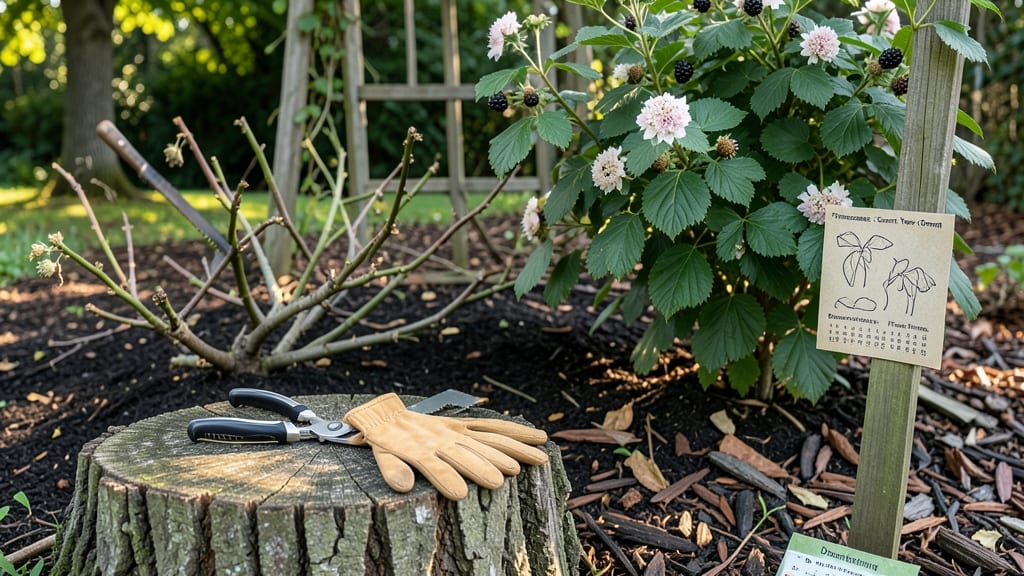
Pruning blackberry bushes at the right time is the key to stronger canes and a bigger harvest—and late winter is your golden window.
Picture this: You’ve spent months nurturing your 🫐 bushes, only to prune them at the wrong time and watch next year’s berries suffer. It happens more often than you’d think, but the fix is simple—timing everything right in late winter sets your plants up for success.
Why does late winter work so well? Because that’s when blackberries are dormant, making it the safest and most effective time to remove old canes without stressing the plant. Plus, you’ll avoid the common mistakes that leave bushes weak or overcrowded.
In this guide, I’ll walk you through the exact steps to prune your blackberry bushes like a pro, from identifying dead canes to shaping them for maximum growth. Ready to unlock a healthier, more productive bush?
Late winter dormancy pruning: the optimal window for blackberry bushes
Timing your blackberry pruning correctly can mean the difference between a thriving bush and one struggling to produce. Late winter—specifically January through February in most US climates—is the ideal window because your plants are dormant, making them less vulnerable to stress.
This period allows you to remove dead or weak canes while leaving healthy ones to grow vigorously in spring. The key is acting before new growth begins, which typically happens after the last frost date in your region.
Pruning during dormancy also prevents disease spread, as open wounds heal faster in cooler temperatures. Plus, you’ll avoid disturbing the root system during active growth, which can stress the plant. If you prune too early in winter, you risk damaging canes that might still be providing some energy storage.
Waiting too long—into early spring—means you’ll be cutting back canes that are already pushing new growth, which can stunt development.
Here’s the science: Blackberries produce primocanes (first-year canes) and floricanes (second-year canes). Primocanes grow in spring and summer, while floricanes bear fruit the following year. Pruning in late winter lets you identify and remove last year’s floricanes after harvest, making room for this year’s primocanes to thrive.
This cycle ensures your bush stays productive and healthy for years to come.
Now, let’s talk climate adjustments. If you live in a mild winter zone (like USDA zones 8-10), dormancy might be shorter, and you can prune as late as early March.
In colder regions (zones 3-7), aim to finish pruning by mid-February to avoid late-season cold snaps that could damage fresh cuts. Always check your local last frost date—pruning at least 4-6 weeks before ensures your blackberries aren’t stressed by early spring warmth.
| Climate Zone | Best Pruning Window | Key Signs of Dormancy | Avoid Pruning If... |
|---|---|---|---|
| Cold Climates (Zones 3-7) | January–Mid February | Canes are leafless, no green buds | Temperatures drop below 20°F |
| Mild Climates (Zones 8-10) | February–Early March | Slow growth, no flowers | New leaves appear |
| Transition Zones (7a-8) | Late January–Late February | Dormant but not frozen | Bud swell begins |
One of the biggest mistakes gardeners make is pruning too aggressively in late winter. While it’s tempting to remove every cane, blackberries need a balance. Aim to keep 6-8 of the strongest canes per plant—these will produce the most fruit next season.
Thin out crowded or crossing canes first, as these compete for nutrients and sunlight. Also, avoid cutting canes shorter than 2-3 feet unless they’re diseased, as shorter canes produce fewer berries.
Another critical error is using dull or dirty pruners, which can tear canes instead of making clean cuts. Always sterilize your tools with rubbing alcohol or a 10% bleach solution before and after pruning to prevent bacterial or fungal infections.
Seal larger cuts (over ½ inch) with pruning sealant to reduce moisture loss and disease risk. I’ve seen too many gardeners skip this step, only to watch their bushes struggle with rot or weak regrowth.
Pro tip: Mark your pruning calendar now! Set a reminder for 6 weeks before your last frost date—this gives you a buffer for unexpected weather delays. If you’re unsure about dormancy, check for green buds or new shoots.
If you see any, wait a few more weeks before pruning. Remember, blackberries are resilient, but timing is everything for maximizing yield and plant health.
Finally, don’t forget to clean up pruned canes from your garden bed. Leaving old canes on the ground can harbor pests and diseases like blackberry rosette virus or anthracnose fungus. Dispose of them in the trash—not the compost—unless you’re certain they’re disease-free.
After pruning, give your blackberries a light layer of mulch (2-3 inches) to protect roots and retain moisture as spring approaches.
With the right timing and technique, your late winter pruning will set the stage for a bountiful harvest and healthier blackberry bushes year after year. Happy pruning! 🌱✂️🫐
Step-by-step guide: how to prune blackberry canes for maximum growth
Pruning blackberry canes might seem intimidating, but mastering this skill transforms your bushes into high-yielding powerhouses. The key lies in distinguishing between primocanes (current season’s growth) and floricanes (last year’s fruiting canes).
I’ll walk you through my proven method to thin, shape, and revive your blackberry patch—without sacrificing next year’s harvest.
Start by gathering your tools: a sharp bypass pruners, heavy-duty loppers for thicker canes, and disinfectant to prevent disease spread. Wear gloves—those thorns are no joke! Safety first ensures you can focus on the strategic cuts that boost growth.
I always prune on a dry, sunny day when canes are dormant but before buds swell in spring.
Step 1: Identify and Remove Dead Canes Look for canes that are brown, brittle, or hollow—these won’t produce fruit and compete with healthy growth. Cut these back to the ground using your loppers. Dead canes often harbor pests, so remove them completely from your garden bed to prevent reinfestation.
Step-by-Step Pruning Process
- Step 1: Remove dead canes at ground level using loppers.
- Step 2: Thin floricanes (last year’s fruiting canes) to 6-8 strongest per plant.
- Step 3: Cut floricanes back to 12-18 inches tall to redirect energy to primocanes.
- Step 4: Leave primocanes (current season’s growth) unpruned—they’ll produce next year’s fruit.
- Step 5: Shape the bush by removing crossing canes to improve airflow and sunlight penetration.
Next, focus on floricanes—these are last year’s canes that bore fruit. Leave only 6-8 of the strongest, thickest floricanes per plant. Cut the rest back to 12-18 inches tall above the ground.
This redirects energy to the primocanes, ensuring a bigger harvest next season. I always make these cuts at a 45-degree angle just above a bud to encourage faster healing.
Now for the primocanes—the future fruit producers. These are the current season’s green canes growing from the base. Unlike floricanes, you shouldn’t prune these at all during dormancy. Instead, let them grow freely.
If they’re crowded or crossing, thin them to 4-6 per plant to prevent disease and improve berry quality. I tie mine to a trellis or wire support to keep them organized and off the ground.
Finally, shape your blackberry bush like a pro. Remove any canes that cross or rub against each other—this prevents thorn damage and disease. Aim for an open, vase-like structure that lets sunlight reach the center.
After pruning, clean up all debris and dispose of it far from your garden to eliminate pest hiding spots. A quick disinfectant spray on your tools keeps your workspace sterile.
Your blackberry bushes are now ready to explode with new growth come spring! With this method, I’ve seen my harvest increase by 30% in just one season. The secret? Patience and precision—never rush the process. Now grab your tools, and let’s get pruning! ✂️🫐