
Blooming
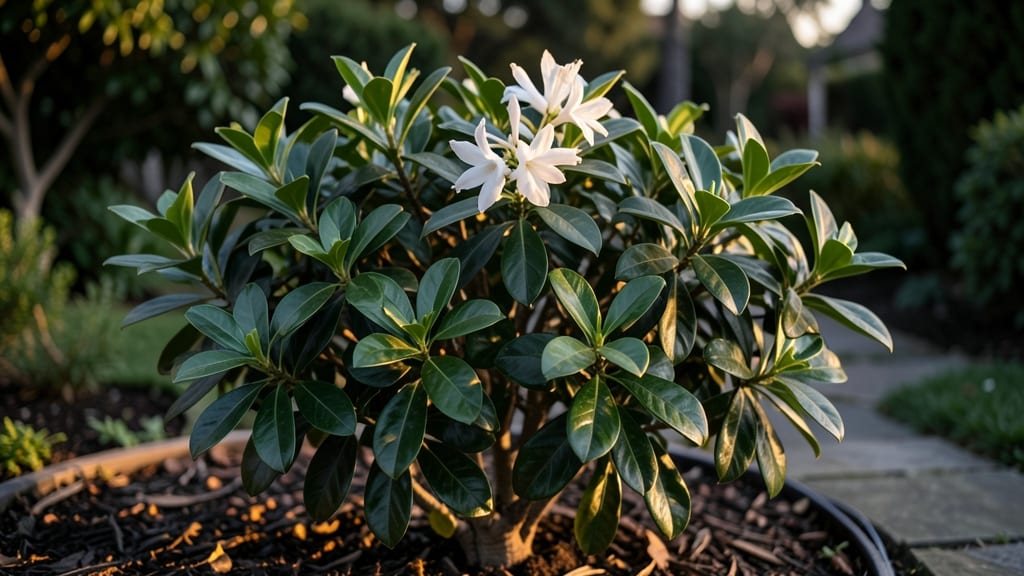
The night blooming jasmine bush transforms your yard into a twilight perfume factory. 🌙 I’ve grown this velvety shrub for years, and its intoxicating scent—like warm honey and jasmine—drifts through my neighborhood every summer evening, drawing in moths and admiring neighbors alike.
The best part? It thrives with almost no fuss, making it perfect for gardeners who want beauty without the upkeep.
This tropical beauty loves full sun to partial shade and well-draining soil—think sandy loam with a splash of compost. In warmer climates (Zones 9-11), it’s a perennial powerhouse, while colder areas can grow it as a tender shrub or bring it indoors for winter.
The key to its minimal pruning needs is shaping it lightly after blooms fade—just enough to keep it tidy and encourage next year’s fragrant flowers.
By late summer, you’ll be rewarded with clusters of white, trumpet-shaped blooms that open at dusk and perfume the air until midnight. The glossy, dark green leaves add year-round interest, and the plant’s fast growth means it quickly fills out as a hedge or standalone specimen.
Even better, it’s drought-tolerant once established, so watering becomes a non-issue after the first year.
Whether you’re a first-time gardener or a seasoned pro, this shrub delivers low-maintenance elegance with high-impact results. The only challenge? Resisting the urge to prune too aggressively—less is more with this fragrant nighttime star. Ready to invite the moon’s magic into your garden?
📚 In This Guide
- What you need
- Instructions
- Tips and common mistakes
- Wrapping up and next steps
What you need
- ● Night Blooming Jasmine Plant: Choose a healthy Cestrum nocturnum (common name) or Jasminum sambac (if opting for a true jasmine variety). Start with a 1-gallon container plant or a 3-6 inch bare-root seedling.
- ● Well-Draining Potting Mix: 5-10 gallons of a blend like 60% peat moss or coconut coir, 30% perlite or pumice, and 10% compost for container plants. For in-ground planting, amend native soil with 3-4 inches of compost.
- ○ Container (Optional but Recommended): For containers: A 15-20 gallon pot with drainage holes (plastic or terracotta).
- ● For in-ground: A sunny, sheltered spot with at least 6-8 hours of sunlight daily (partial shade in hot climates).
- ● Fertilizer: Slow-release granular fertilizer (e.g., 10-10-10 or 14-14-14) – 2-3 tablespoons per plant at planting.
- ● Balanced liquid fertilizer (e.g., 20-20-20) – diluted to half-strength every 4-6 weeks during growing season.
- ● Mulch: 2-3 inches of organic mulch (e.g., shredded bark or pine straw) to retain moisture and regulate soil temperature.
- ● Pruning Shears: Bypass pruners (sharp and clean) for trimming dead or overgrown branches.
- ○ Gloves & Safety Gear: Garden gloves (optional, for thorny varieties) and long sleeves if your jasmine has prickly stems.
- ● Watering Can or Hose: With a gentle spray nozzle to avoid disturbing soil.
- ○ Support Stake (Optional): A 5-6 foot bamboo or metal stake if your jasmine tends to sprawl (especially for climbing varieties).
- ● Climate: Thrives in USDA Zones 9-11. In cooler zones, grow as a container plant and bring indoors in winter.
- ● Soil pH: Prefers slightly acidic to neutral soil (pH 6.0-7.0). Test soil if planting in-ground.
- ● Watering Needs: Keep soil consistently moist but not soggy. Water deeply 2-3 times per week in hot weather.
- ● Sunlight: Full sun (6+ hours) for optimal blooming. Tolerates partial shade in extreme heat.
- ● Space: Mature size: 6-10 feet tall and wide. Space plants 5-6 feet apart if planting multiple bushes.
- ● 🌱 Test soil moisture before watering—stick your finger 1-2 inches into the soil. If dry, it’s time to water!
- ● ✂️ Prune lightly after flowering to encourage bushier growth. Avoid heavy pruning unless shaping.
- ● 🐝 Attract pollinators by planting nearby: evening primrose or night-scented stocks pair beautifully!
Step-by-Step instructions for planting and caring for night blooming jasmine
Here's how to cultivate this fragrant beauty with confidence—minimal pruning, maximum moonlit aroma.
🌱 Step 1: Select the Perfect Planting Site
Night blooming jasmine (Cestrum nocturnum) thrives in full sun to partial shade, with at least 6 hours of direct sunlight daily. I always choose a location sheltered from strong afternoon winds—this plant's delicate blooms can get damaged easily. The key is finding a spot where it receives morning sun but has afternoon shade in hotter climates.
Check soil drainage before planting. Night blooming jasmine hates soggy roots—if your soil stays wet for more than a day after rain, amend it with 2-3 inches of compost mixed into the top 12 inches of soil. The ideal planting site should also be near a patio or window where you can enjoy its intoxicating evening fragrance.
🪴 Step 2: Plant at the Right Time and Depth
Plant your night blooming jasmine in early spring, after the last frost date in your area. This gives the roots 8-10 weeks to establish before summer heat arrives. Dig a hole twice as wide as the root ball but only as deep—the top of the root ball should sit 1 inch above ground level to prevent waterlogging.
Gently remove the plant from its container and loosen any circling roots with your fingers. Place it in the hole and backfill with native soil, pressing lightly to eliminate air pockets. Water deeply immediately after planting—this helps settle the soil and removes any air gaps that could stress the roots. You'll know it's properly watered when excess moisture runs out of the drainage holes.
☀️ Step 3: Water Consistently During Establishment
For the first 4-6 weeks, keep the soil evenly moist—never soggy, but never completely dry. I water deeply 2-3 times per week, checking the top 2 inches of soil with my finger. If it feels dry, it's time to water. After establishment, night blooming jasmine becomes quite drought-tolerant, but young plants need consistent moisture to develop strong roots.
Mulch around the base with 2-3 inches of organic mulch (like shredded bark) to retain moisture and regulate soil temperature. Keep the mulch 2 inches away from the trunk to prevent rot. You'll notice new growth within 3-4 weeks—this is your signal that the plant is adapting well to its new home.
✂️ Step 4: Prune Strategically for Health and Bloom
Night blooming jasmine requires minimal pruning—the plant naturally sheds old wood and produces new growth. I prune once a year in late winter or early spring, just before new growth begins. Remove any dead, diseased, or crossing branches first, then shape the bush by cutting back overly long stems by one-third to encourage bushier growth.
Avoid heavy pruning—this plant blooms on new wood, so aggressive cuts reduce next year's flowers. If you notice leggy growth, simply trim the tips to redirect energy toward fuller branching. You'll see fresh, vibrant growth within 2-3 weeks of pruning, and the plant will reward you with more abundant evening blooms by summer.
🌿 Step 5: Fertilize for Vibrant Growth and Fragrance
Feed your night blooming jasmine once in early spring with a balanced, slow-release fertilizer (10-10-10 ratio). Apply it according to package instructions—usually ½ cup per mature plant. Water the area thoroughly before and after applying to prevent root burn. This single feeding provides nutrients for the entire growing season.
If your plant shows signs of nutrient deficiency—like yellowing leaves or sparse blooms—apply a half-strength liquid fertilizer in mid-summer. I always avoid high-nitrogen fertilizers, as they promote leafy growth at the expense of flowers. Instead, opt for a low-nitrogen, high-phosphorus blend to encourage blooming. You'll know it's working when you see more buds forming by late summer.
Tips & tricks for perfect night blooming jasmine cultivation
A few strategic moves can turn your night blooming jasmine into a fragrant, low-maintenance star—without the guesswork.
Sunlight Strategy: While the instructions call for 6 hours of daily sun, I've found that positioning your plant where it gets morning sun and afternoon shade works best in hotter climates. The delicate blooms appreciate the respite from intense afternoon rays, which can scorch them. If you're in a particularly sunny region, consider a sheer curtain for protection during peak hours—this preserves the plant's energy for those magical evening blooms.
Soil Prep Secret: The 2-3 inches of compost recommendation in Step 1 is non-negotiable for drainage, but I take it a step further by adding a handful of perlite to the planting hole. This extra grit prevents compaction and mimics the well-draining conditions night blooming jasmine loves. Think of it as insurance against soggy roots—especially important if your area gets frequent rain.
Watering Wisdom: Those first 4-6 weeks of consistent moisture are critical, but I've learned to adjust based on weather. If temperatures dip below 50°F, reduce watering to once a week—cool soil stays moist longer. The key is keeping the top 2 inches damp, not saturated. Overwatering here leads to root rot, which can silently kill your plant before you notice the telltale yellowing leaves.
Pruning Precision: When shaping the bush in Step 4, I use a pair of clean, sharp pruners to make cuts just above a leaf node. This encourages new growth in exactly the right spot. For leggy stems, I cut back by one-third but never more—this maintains the plant's natural blooming cycle. Pro tip: Prune on a cloudy day to reduce stress on the plant, and always sterilize your tools with rubbing alcohol between cuts to prevent disease.
Pro Tips for Night Blooming Jasmine Bush
- A few strategic moves can turn your night blooming jasmine into a fragrant, low-maintenance star—without the guesswork.
- Sunlight Strategy: While the instructions call for 6 hours of daily sun, I've found that positioning your plant where it gets morning sun and afternoon shade works best in hotter climates.
- Soil Prep Secret: The 2-3 inches of compost recommendation in Step 1 is non-negotiable for drainage, but I take it a step further by adding a handful of perlite to the planting hole.
Frequently asked questions
about night blooming jasmine bushes—because every gardener deserves clarity! Here are answers to the most common questions to help you grow this fragrant beauty with confidence.When does night blooming jasmine typically bloom?
Night blooming jasmine usually opens its delicate white flowers in the late afternoon or evening, releasing their intoxicating scent as daylight fades. Peak blooming seasons vary by climate—spring to summer in warmer zones (like USDA 8-11) and late summer to fall in cooler regions (USDA 6-7). For best results, plant in full sun for maximum fragrance!
How fast does night blooming jasmine grow?
This bush is a fast grower, often adding 12–24 inches per year under ideal conditions (sun, well-draining soil, and regular watering). With its semi-evergreen to evergreen foliage, it can reach 6–15 feet tall and 5–10 feet wide with time. Prune lightly after blooming to maintain shape and encourage denser growth!
Why isn’t my night blooming jasmine flowering?
No blooms? Don’t panic! Common culprits include:
- Insufficient sunlight: Needs 6+ hours of direct sun daily.
- Over-fertilizing: Too much nitrogen = lush leaves, fewer flowers.
- Improper pruning: Cut back in late winter/early spring (before new growth).
- Age: Young plants may take 2–3 years to bloom.
Can I grow night blooming jasmine in containers?
While it thrives as a hedge or climbing vine, night blooming jasmine adapts well to large containers (15+ gallons) with proper care. Use a well-draining potting mix and ensure the pot has drainage holes. Expect slower growth in containers but plenty of fragrance! Repot every 2–3 years to refresh soil nutrients.
What’s a good alternative if I want less maintenance?
If night blooming jasmine’s growth rate feels overwhelming, consider these low-maintenance fragrant options:
- Arabian Jasmine (Jasminum sambac): Compact, evergreen, and highly fragrant but slower-growing.
- Star Jasmine (Trachelospermum jasminoides): Hardy, vine-like, and blooms in spring/summer.
- Gardenia (Gardenia jasminoides): Glossy leaves and creamy white flowers, but needs slightly acidic soil.
Wrapping up and next steps
The night blooming jasmine bush is a dreamy, low-maintenance addition to any garden, offering intoxicating fragrance and stunning moonlit beauty with minimal fuss. Whether you’re a seasoned gardener or just starting out, its hardiness, pest resistance, and easy-care nature make it a perfect choice for effortless elegance.
Ready to transform your outdoor space? Start by selecting the right variety, preparing your soil, and giving your jasmine bush the love it deserves—your garden (and senses!) will thank you.