
Shrubs
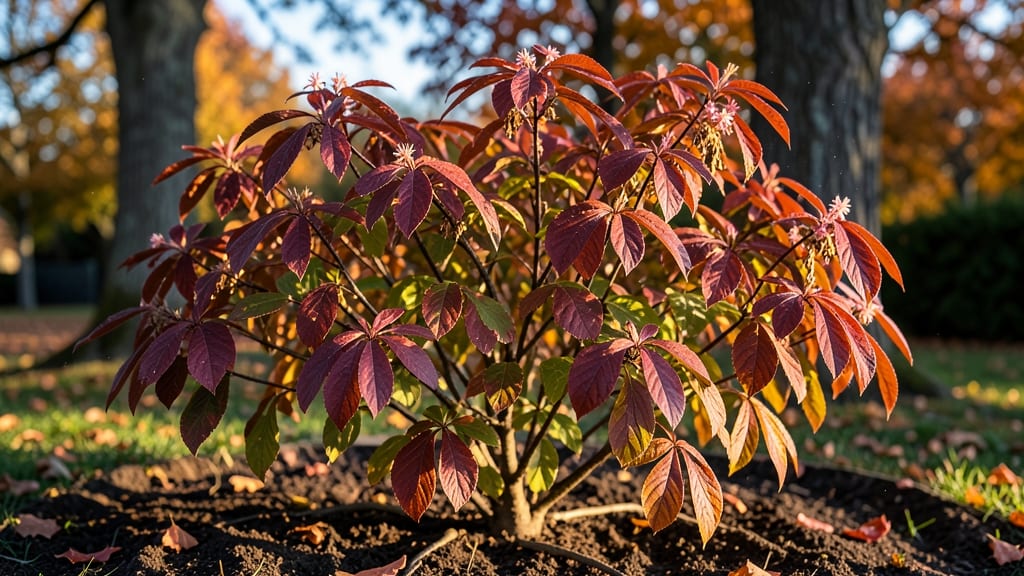
The Burning Bush 🌿 thrives in sun or shade—but its vibrant foliage depends on getting it right.
Picture this: you’ve just planted your Burning Bush, eager for those fiery fall colors, only to watch the leaves fade into a dull green by summer. That’s not laziness—it’s light. Too much sun can scorch the edges, while too little shade dulls the showstopping hues.
The key? Finding that sweet spot where your shrub gets enough brightness to fuel its signature color without burning out.
Most gardeners assume Burning Bush is low-maintenance, but light is the game-changer. In full sun, it grows faster but may need extra water; in partial shade, it’s more relaxed but risks losing that dramatic fall color.
Whether you’re in USDA Zone 6a or another region, understanding these nuances will keep your shrub looking its best year-round.
Here’s what you’ll discover: the ideal light balance for your climate, how to spot when it’s struggling, and simple tweaks to keep those leaves popping—no guesswork required.
 Best Window Placement
Burning Bush sun requirements: how much light does it need?
The Burning Bush (Euonymus alatus) thrives with 4 to 6 hours of direct sunlight daily, but its stunning red-orange foliage develops best in full sun conditions.
This adaptable shrub can tolerate partial shade, especially in hot climates like the Southern U.S., where afternoon shade prevents leaf scorch. In cooler Northern regions, it handles more sun exposure without stress.
For optimal color intensity, aim for at least 6 hours of sunlight during the growing season (spring to summer). The more light your Burning Bush receives, the brighter and more vibrant its leaves will become, especially in autumn. In partial shade, expect muted colors and slower growth rates.
Regional differences matter: In USDA Zones 5-7, Burning Bush performs well in full sun, while in Zones 8-10, morning sun with afternoon shade prevents heat damage. Always monitor your plant’s foliage color—dull green leaves signal insufficient light.
| Light Condition | Sunlight Hours | Foliage Color | Growth Rate | Best For |
|---|---|---|---|---|
| Full Sun | 6+ hours | Vibrant red-orange | Fast | Northern climates |
| Partial Shade | 3-5 hours | Muted green | Moderate | Southern climates |
| Deep Shade | <2 hours | Pale yellow-green | Slow | Avoid |
| Morning Sun | 4-6 hours | Bright autumn tones | Balanced | All regions |
If you’re planting in a hot, dry climate, prioritize morning sunlight with afternoon shade to prevent leaf burn. In cooler regions, your Burning Bush can handle full sun all day, especially when established.
Young plants, however, need gentle acclimation—start with 3 hours of sun and gradually increase exposure over 2-3 weeks.
Watch for leaf scorch (brown, crispy edges) in intense afternoon sun, a clear sign your plant needs more shade. Conversely, pale or yellowing leaves indicate insufficient light. Adjust pruning to open the canopy for better light penetration if growth appears stunted.
Seasonal adjustments are key: In summer, provide light afternoon shade if temperatures exceed 90°F (32°C). In winter, ensure at least 4 hours of sunlight to maintain foliage color. Southern exposures (south-facing windows or garden beds) are ideal for maximizing light exposure year-round.
For container-grown Burning Bush, place pots in bright, indirect light if outdoors. Indoors, a south-facing window with 4-6 hours of direct light keeps foliage vibrant. Rotate containers weekly to ensure even growth and prevent leggy, weak stems from light deprivation.
Pro tip: Mulch around the base with 2-3 inches of organic mulch to retain moisture and regulate soil temperature, especially in full sun conditions. This helps your Burning Bush retain its fiery colors even during drought periods.
Remember, the more sunlight your Burning Bush gets, the more dramatic its autumn display will be. With the right balance of sun and shade, you’ll enjoy year-round interest—from spring blooms to winter color.
Start with full sun for the boldest results, then adjust based on your local climate and plant’s response.
🌿
Shade tolerance of Burning Bush: when and how to grow it in low light
The Burning Bush (Euonymus alatus) can thrive in partial shade, making it a great choice for spots where full sun isn’t an option. However, its vibrant foliage color—especially the fiery reds and oranges—relies heavily on adequate light.
In low-light conditions, you’ll need to adjust your approach to keep your shrub healthy and visually striking.
If you’re planting in urban environments with filtered light or rural shade from trees, the key is understanding how much shade your Burning Bush can handle. Too much shade leads to pale leaves and reduced winter color, while the right balance keeps it lush and colorful year-round.
⚠️ callout warning
⚠️ Warning: Shade Overload Risks
Burning Bush in deep shade (less than 3 hours of light daily) will:
- Lose vibrant foliage color (fading to dull green)
- Develop leaf scorch from sudden sun exposure
- Grow spindly and weak with poor branching Solution: Amend soil with organic compost and prune to open the canopy for better light penetration.
In partial shade (4-6 hours of light), your Burning Bush will still perform well, though its winter color may be less intense. To compensate, choose a south-facing location or a spot with dappled sunlight from nearby trees.
Urban areas often have filtered light, which works better than dense shade from tall structures.
Watch for signs of stress like yellowing leaves or stunted growth, which indicate insufficient light. If you notice these, consider thinning nearby foliage or relocating the plant to a sunnier spot. For established shrubs, pruning back dense growth in early spring can improve airflow and light exposure.
Soil plays a critical role in shade tolerance. Amend your soil with well-rotted compost or peat moss to improve drainage and nutrient retention. Burning Bush prefers slightly acidic to neutral soil (pH 6.0-7.0), so test your soil and adjust if needed.
Mulch with wood chips to retain moisture and regulate soil temperature.
For urban gardeners, microclimates matter. A spot near a south-facing wall or under high-canopy trees (like oaks) provides ideal filtered light. In rural settings, avoid planting under evergreens or dense shrubs, as they block too much light.
Instead, opt for open woodland areas where light filters through naturally.