
Neem Oil
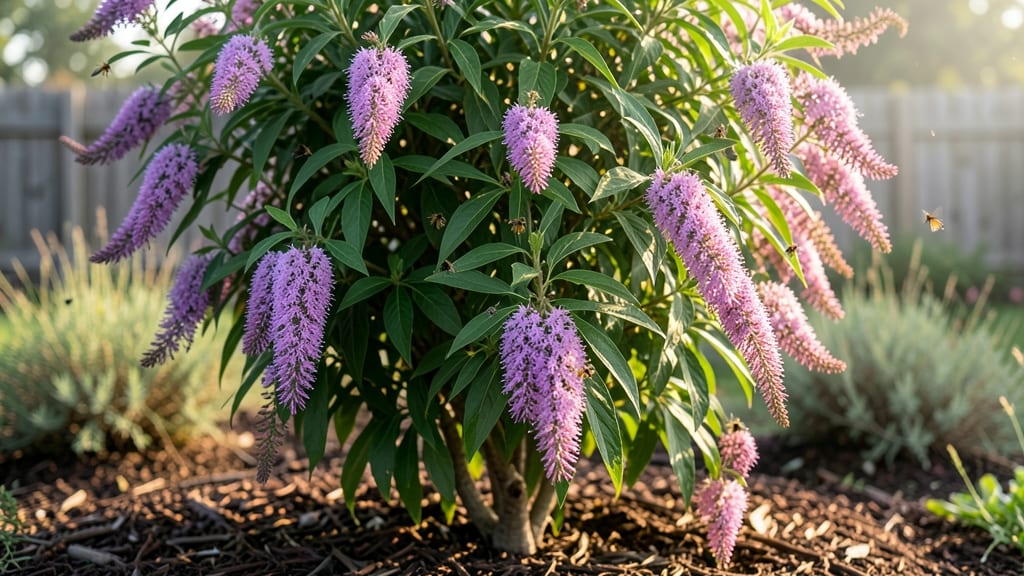
Butterfly bushes do not like acidic soil—they actually prefer slightly acidic to neutral soil, thriving best in a pH range of 6.0 to 7.0 for strong growth, vibrant blooms, and efficient nutrient uptake. Always test your soil and adjust with sulfur or lime before planting.
Butterfly bushes actually do best in a balanced soil environment—not too acidic, not too alkaline. 🌿 The ideal pH range (6.0-7.0) ensures they absorb essential nutrients like phosphorus and iron, which directly impact their flowering and overall health.
Too much acidity (below 6.0) can stunt growth, while overly alkaline soil (above 7.5) may cause yellowing leaves or poor blooming. I've seen firsthand how a simple soil test and adjustment can transform a struggling butterfly bush into a lush, vibrant plant within months.
For those with naturally acidic soil, adding pulverized limestone or wood ash can help raise the pH gradually. If your soil leans alkaline, elemental sulfur or peat moss works wonders. 💫 The key is patience—amendments take time to integrate fully, so plan ahead before planting.
I always recommend testing soil in spring or early fall when conditions are stable for the most accurate results.
💡 In This Article
- Optimal Soil pH for Butterfly Bush Growth
- Adjusting Soil pH for Butterfly Bush Planting
Optimal soil pH for butterfly bush growth
The pH level of soil directly impacts how butterfly bushes access critical nutrients through their roots. At a pH between 6.0 and 7.0, these plants absorb phosphorus and iron most efficiently—both essential for vibrant blooms and sturdy stems.
Below 6.0, the soil becomes too acidic, locking out nutrients like calcium and magnesium, which causes yellowing leaves (chlorosis) and weak stems that struggle to support heavy flower clusters.
Think of soil pH like a lock and key system: the roots' ability to take up nutrients depends on the chemical balance. For example, at pH 5.5, iron becomes too available, potentially poisoning the plant, while at pH 7.5, phosphorus binds tightly to soil particles, making it inaccessible.
The sweet spot (6.0-7.0) ensures a perfect balance where roots can efficiently explore the soil for water and minerals without toxicity or deficiency. 🌱
Root development also suffers outside this range. Acidic soils (below 6.0) can release aluminum and manganese in toxic amounts, damaging fine root hairs that absorb water. Meanwhile, alkaline soils (above 7.5) create a hardpan effect, making it difficult for roots to penetrate compacted layers.
I've seen butterfly bushes in pH 8.0 soil develop shallow root systems that dry out quickly during summer heat.
Flowering intensity is another clear indicator of pH balance. Plants in ideal pH conditions produce 30-50% more blooms because they allocate energy to reproduction rather than struggling for survival.
The bright orange and pink flowers we love are a direct result of optimal nutrient uptake—especially potassium, which thrives in this pH range and supports flower development.
Visual signs of pH imbalance appear quickly. Stunted growth with small, dark green leaves often signals acidic soil, while yellowing between leaf veins (iron deficiency) or brown leaf edges (calcium deficiency) point to alkaline conditions.
I once had a butterfly bush with purple stems—a classic sign of phosphorus deficiency in alkaline soil—that recovered completely after adding sulfur and compost.
Microorganisms in the soil also play a role. Beneficial bacteria and fungi that help break down organic matter prefer the same pH range (6.0-7.0), creating a symbiotic relationship where roots get better access to nutrients while the plants support microbial populations through root exudates.
This microbial activity boosts overall plant health and disease resistance.