
Plants
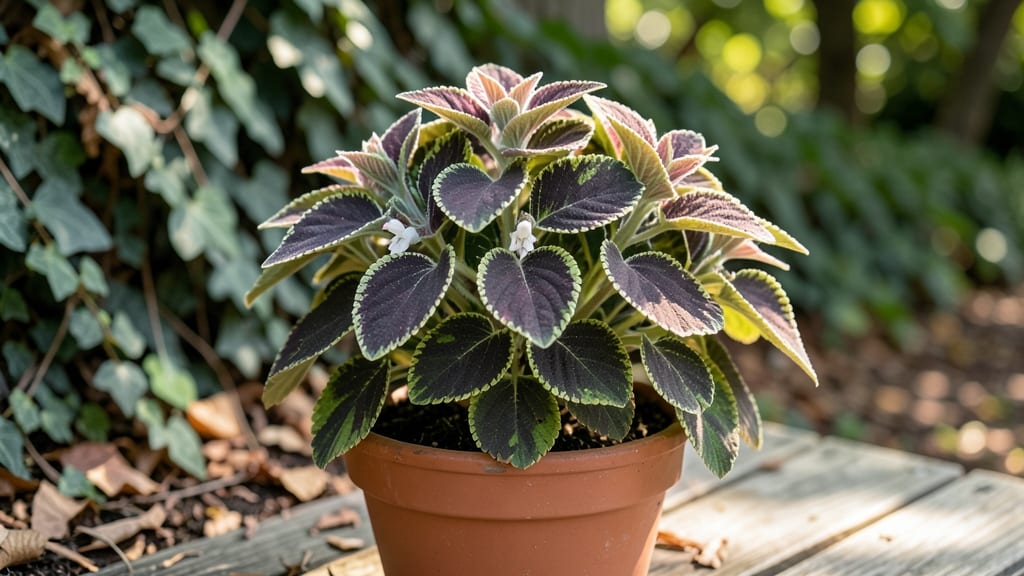
That bush with purple and green leaves is the secret weapon of low-maintenance gardens. 🌿 I've designed entire beds around plants like Heuchera 'Palace Purple' and Coleus 'Black Dragon'—their vibrant colors create drama with almost no effort.
The key is pairing them with the right companions and understanding their light needs, whether you're working with shade or sun.
These plants thrive in containers or planted directly in garden beds, giving you flexibility. My favorite combo includes Heuchera's deep purples with silver-leafed plants like lamb's ear for contrast. They handle heat and drought once established, making them perfect for busy gardeners.
By mid-summer, you'll have a foliage display that rivals any flower bed. The colors intensify with sunlight, and some varieties even change hues as seasons shift. It's the kind of impact that makes neighbors stop and ask what you're growing.
Works beautifully in foundation plantings, mixed borders, or even as striking container specimens. Let's bring that bold color to your space!
The Science Behind Leaf Color Shifts
That stunning mix of purple and green leaves on your bush isn’t just a random quirk—it’s a fascinating interplay of biology, genetics, and environmental cues. Let’s break down the key reasons why some plants develop this vibrant two-tone foliage, so you can appreciate (and even encourage!) the effect.
Some plants are born with the genes for multicolored leaves. Varieties like the Japanese Maple (Acer palmatum) or Purple Smoke Bush (Cotinus) naturally produce anthocyanins—pigments that give leaves their purple, red, or blue hues. These pigments often appear alongside green chlorophyll, creating a striking contrast.
💡 Pro Tip: If you’re shopping for a bush with this look, check the species name. Many ornamental grasses, heucheras, and certain shrubs are bred specifically for this trait.
Sunlight triggers anthocyanin production, especially when temperatures fluctuate. In cooler mornings or hot afternoons, plants may ramp up these pigments as a protective mechanism against UV damage. This is why some bushes look more purple in spring or fall—the balance of light and temperature shifts.
🌡️ Actionable Insight: If your bush isn’t showing enough purple, try placing it in a spot with morning sun and afternoon shade. Too much direct sun can fade anthocyanins, while too little light may dull the green.
When soil dries out, some plants respond by producing more anthocyanins as a way to conserve water and protect leaves. This is common in drought-tolerant species like Lantana or Russian Sage. The purple tint is essentially a stress signal—but it also makes the plant more visually striking!
⚠️ Watch Out: While mild water stress can enhance color, severe drought can damage the plant. Aim for consistent moisture (not soggy soil) to keep the purple vibrant without harming the bush.
Nitrogen-heavy fertilizers can boost green chlorophyll at the expense of purple pigments. Conversely, a phosphorus-rich soil (common in acidic or rocky terrain) can enhance anthocyanin production. If your bush is leaning too green, a balanced fertilizer with lower nitrogen (like a 5-10-10 formula) might bring back the purple.
📊 Soil Test Tip: Use a home soil kit to check pH and nutrient levels. Most purple-leaved plants thrive in slightly acidic to neutral soil (pH 6.0–7.0).
Cold nights followed by warm days can trigger anthocyanin production in some species. This is why bushes often look most vibrant in early spring or late fall.
If you want year-round color, choose cold-hardy varieties like Weigela or Smoke Bush, which retain their purple-green hues even in cooler months.
✨ Bonus Hack: In winter, mulch around the base of your bush to protect roots from extreme cold, which can help maintain color intensity.
Revive & Restore Your Colorful Bush
If your bush is showing off a mix of purple and green leaves instead of the vibrant display you love, don’t panic—most issues have simple fixes! Below, we’ll break down the most common causes and pair them with practical, step-by-step solutions to bring back that stunning foliage.
We’ll also share prevention tips to keep your bush looking its best year-round.
Signs: Yellowing leaves, wilting despite wet soil, or a mushy stem base.
How to Fix It: 🔥 Step 1: Check the Soil – Stick your finger 2 inches deep into the soil. If it’s soggy, your bush is overwatered. 🍳 Step 2: Adjust Watering – Water only when the top inch of soil feels dry. Use a moisture meter for accuracy. 👨🍳 Step 3: Improve Drainage – Amend heavy or compacted soil with perlite, sand, or compost to help roots breathe. 🥘 Step 4: Repot if Needed – If the bush is in a container, ensure it has drainage holes and switch to a well-draining potting mix.
💡 Pro Tip: If roots look black or rotten, trim the damaged ones with sterilized scissors and repot in fresh soil.
Signs: Bleached, crispy edges on leaves or slow growth despite purple hues.
How to Fix It: 🔥 Step 1: Assess Light Needs – Most purple-leaved bushes (like Coleus, Heuchera, or Purple Smoke Bush) thrive in partial shade (4-6 hours of sun). 🍳 Step 2: Gradually Acclimate – If moving from shade to sun, do it slowly over 1-2 weeks to avoid shock. 👨🍳 Step 3: Provide Afternoon Shade – Use a light shade cloth (30-50%) if direct sun is unavoidable. 🥘 Step 4: Rotate the Plant – If indoors, turn the pot quarter-turn weekly for even light exposure.
💡 Pro Tip: Purple foliage often deepens in cooler temps—place your bush near a window with indirect light for best results.
Signs: Pale green veins, stunted growth, or leaves turning washed-out purple.
How to Fix It: 🔥 Step 1: Test Soil pH – Purple-leaved plants often prefer slightly acidic to neutral soil (6.0-7.0). Use a soil test kit for accuracy. 🍳 Step 2: Fertilize Correctly – Use a balanced, slow-release fertilizer (10-10-10) in spring and early summer. Avoid high-nitrogen feeds—they dull colors! 👨🍳 Step 3: Boost Iron & Magnesium – If leaves are yellow with purple veins, apply chelated iron or Epsom salt (1 tbsp per gallon of water). 🥘 Step 4: Mulch Properly – Add 2-3 inches of organic mulch (like shredded bark) to retain moisture and nutrients.
💡 Pro Tip: Too much fertilizer can burn roots—always water before and after applying to dilute salts.
Signs: Holes in leaves, sticky residue, or black spots (fungal issues).
How to Fix It: 🔥 Step 1: Inspect Leaves – Look for aphids, spider mites, or scale insects on undersides. Wipe off pests with a soapy water cloth. 🍳 Step 2: Use Natural Repellents – Spray with neem oil (1 tsp per quart of water) or insecticidal soap weekly until pests vanish. 👨🍳 Step 3: Prune Damaged Areas – Cut off blackened or chewed leaves with sterilized pruners to prevent spread. 🥘 Step 4: Improve Airflow – Thin out overcrowded foliage and space plants 12+ inches apart to reduce humidity-related diseases.
💡 Pro Tip: Prevent fungal issues by watering at the base (not overhead) and avoiding wet leaves.
To keep your purple-and-green bush thriving: ✅ Water wisely – Stick to the "dry top inch" rule. ✅ Monitor light – Adjust placement if leaves fade or scorch. ✅ Fertilize lightly – More isn’t better; less frequent, balanced feeds work best. ✅ Prune regularly – Trim dead or leggy growth in early spring to encourage bushiness. ✅ Watch for pests – Do a weekly leaf check to catch issues early.
With these fixes, your bush should bounce back with deeper purples, richer greens, and a fuller form in no time! 🌿✨ Whether it’s a Coleus, Heuchera, or Purple Smoke Bush, the key is consistency in care—not drastic changes. Happy gardening!
Frequently asked questions
What are the best purple-and-green leafed bushes for full sun?
For full sun exposure, try Purple Smoke Bush (Cotinus) or Lantana—both thrive in bright light and maintain their vibrant hues. Another great option is Russian Sage (Perovskia), which has silvery-purple foliage that loves sun. Just ensure they get consistent moisture during hot spells.
Can I grow these bushes in containers?
Many purple-green leafed bushes, like Coleus or Heuchera, grow beautifully in containers. Use a well-draining potting mix and a pot with drainage holes. For larger varieties, choose containers at least 12-18 inches wide to accommodate root growth and water needs.
Why are my purple leaves turning all green?
Over-fertilizing with high-nitrogen products can wash out purple pigments. Switch to a balanced, low-nitrogen fertilizer (like 5-10-10) and avoid heavy feeding. Too much sun can also fade colors—try moving your bush to morning sun with afternoon shade for better color retention.
Are there any purple-green bushes that stay colorful all winter?
Yes! Weigela and Purple Smoke Bush (Cotinus) retain their purple-green foliage through winter in mild climates. For colder regions, Heuchera varieties often keep their color until late fall. Mulch heavily around the base to protect roots and preserve color during frost.
How do I propagate a bush with purple-green leaves?
Most of these bushes propagate easily from cuttings. Take 4-6 inch stem cuttings in spring, remove lower leaves, and dip in rooting hormone. Plant in moist potting mix and keep humid until roots form (4-6 weeks). Some varieties, like Coleus, can also be grown from seed for new color variations.