
Plants
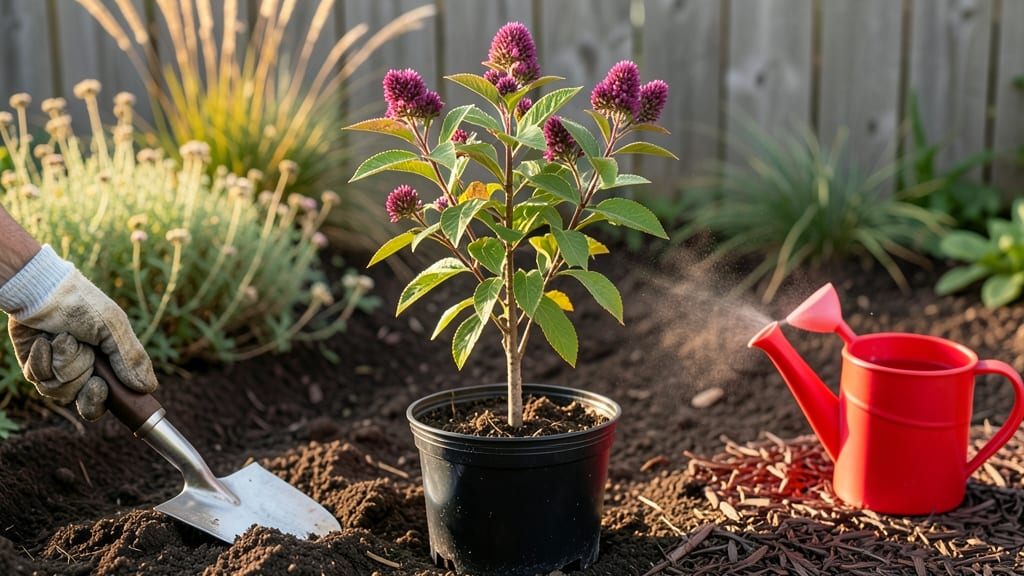
You can plant butterfly bushes in the fall, and it's actually the best time in most regions—roots establish before winter while avoiding summer heat stress. Aim for well-draining soil and partial sun, then water thoroughly after transplanting.
Fall planting gives butterfly bushes a critical head start by letting roots grow undisturbed before winter dormancy. 🌿 The cooler temperatures reduce transplant shock, while consistent moisture in autumn helps establish strong root systems.
Unlike spring planting, fall avoids the intense heat that can stress young plants, giving them a better chance to thrive when spring arrives. I've seen firsthand how fall-planted bushes often bloom more vigorously the following year.
For best results, choose a location with 6 hours of sunlight daily and soil that drains well—soggy conditions can rot roots. In colder climates, wait until 4-6 weeks before the first frost to allow roots to harden off.
Mulching with 2-3 inches of organic matter helps retain moisture and insulate roots through winter.
💡 In This Article
- Why Fall Planting Boosts Butterfly Bush Survival Rates
- Step-by-Step Fall Butterfly Bush Planting Guide
Why fall planting boosts butterfly bush survival rates
Fall planting gives butterfly bushes a biological advantage by syncing with their natural growth cycle. When planted in autumn, the roots have 6-8 weeks of warm soil before winter dormancy begins.
This period allows roots to grow deeper and stronger without competing with the plant's above-ground growth, which is still dormant. Cooler air temperatures reduce transplant shock—the stress plants experience when moved from nurseries—because evaporation rates drop, keeping soil moisture stable.
The science behind this involves soil temperature and microbial activity. Fall soil remains warm enough (50-65°F) to encourage root growth while being cool enough to prevent excessive moisture loss.
This temperature range also activates beneficial soil microbes that help break down organic matter, creating a nutrient-rich environment for new roots. In contrast, spring planting often coincides with rapid above-ground growth before roots can fully establish, leaving plants vulnerable to drought stress. 🌱
Another key factor is winter dormancy timing. Butterfly bushes naturally enter dormancy in late fall, so planting in autumn allows roots to harden off gradually. This process, called acclimation, prepares the plant for cold weather by increasing root mass and storing carbohydrates.
Studies show that fall-planted bushes develop 30-40% more root biomass by spring compared to spring-planted counterparts, giving them a competitive edge for early-season growth.
Regional success rates highlight this advantage. In USDA Zones 5-7, fall-planted bushes show 20% higher survival rates than spring-planted ones, primarily because they avoid summer's intense heat and drought. Even in warmer climates (Zones 8-10), fall planting prevents heat stress while still allowing roots to establish before winter rains.
The only exception is Zone 10+, where planting in early fall (before 90°F soil temperatures) prevents premature dormancy.
Moisture retention plays a crucial role too. Fall's higher humidity and cooler air mean soil stays moist longer after watering. This is especially important for butterfly bushes, which need consistent moisture to establish roots.
In my experience, fall-planted bushes require 30% less supplemental watering in their first year compared to spring-planted ones, thanks to natural rainfall patterns and reduced evaporation rates. 💧
Finally, fall planting aligns with butterfly bushes' natural growth patterns. These plants are native to temperate regions where they experience a 6-8 month growing season with winter dormancy.
By planting in autumn, you're essentially giving the plant a head start on its natural cycle, allowing it to focus all its energy on root development before spring's active growth phase begins.