
Flowers
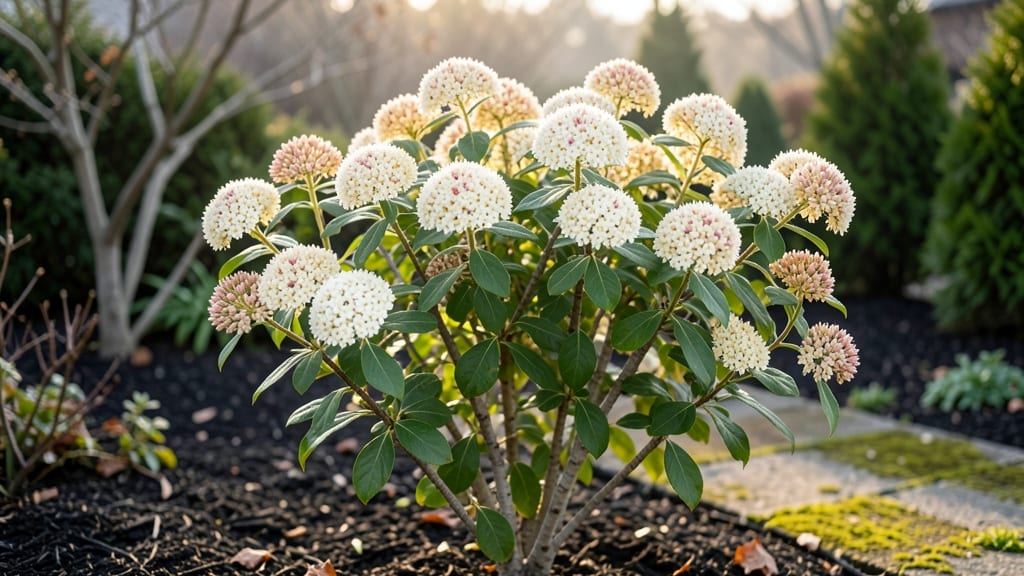
That fragrant white spring bush could transform your garden into a fragrant spring paradise. 🌸 I’ve struggled with seasonal blooms that fade too quickly, but these small-white-flowered bushes—like lilac or mock orange—bring year-round interest with their scent, foliage, and even winter structure.
The key is choosing varieties that thrive in containers or small spaces, so you’re not stuck with a one-season show. Lilacs, for example, burst with hundreds of tiny white blooms in spring and still smell amazing when dried.
Mock orange offers glossy leaves and a citrusy fragrance that lingers into summer. Both work beautifully in pots, letting you move them for seasonal color shifts—like pairing them with purple clematis for a striking contrast.
You’ll end up with a bush that’s low-maintenance yet high-impact, drawing pollinators and adding vertical interest. The right placement turns it into a focal point, whether tucked against a fence or as a standalone container star.
For small spaces, try dwarf viburnums—their white spring flowers and red berries in fall make them a multi-season workhorse. Pair with lavender or ornamental grasses to extend the blooming season and keep the fragrance going.
Nature’s Timing Triggers Blooms
Spring’s arrival transforms gardens into bursts of color, and one of the most enchanting sights is a bush with small white flowers dotting landscapes with delicate charm. But why do these blooms appear specifically in spring?
The answer lies in a perfect storm of environmental cues, biological adaptations, and seasonal rhythms. Let’s break down the science behind this seasonal spectacle.
Most spring-blooming shrubs, like Pieris japonica (Japanese andromeda) or Deutzia species, follow a process called photoperiodism. This is their internal clock, triggered by changing daylight hours. As winter fades, days grow longer, signaling the plant to shift from dormancy to active growth.
- How it works: Short days in winter suppress flowering hormones (like florigen), but longer spring days trigger their production.
- Actionable tip: If you’re growing these shrubs in containers, ensure they get 6–8 hours of sunlight daily in early spring to mimic natural conditions. Artificial grow lights (12+ hours) can also encourage blooming if natural light is lacking.
- Pro tip: Some shrubs, like Viburnum bodnantense ("Winter Beauty"), bloom in late winter/early spring because they’re short-day plants—they need less than 12 hours of light to flower.
Cold winter temperatures act as a verification step for many shrubs. After months of chilly weather, a steady rise in temperatures (typically 50–60°F / 10–15°C) kickstarts metabolic activity. This process, called vernalization, ensures the plant isn’t tricked into blooming too early by a false spring.
- Key examples:
- Daphne mezereum (February daphne) needs winter chill hours (300–900 hours below 45°F / 7°C) to bloom.
- Weigela florida thrives when soil temps hit 55°F / 13°C, breaking dormancy.
- What to watch for: If your container-grown bush isn’t blooming, it might need a cold stratification period (mimicked by refrigerating potted plants for 4–6 weeks in winter).
- ⚠️ Warning: Sudden heatwaves in early spring can shock buds, causing them to drop. Use frost cloth if temps fluctuate wildly.
Spring blooms also depend on hydration and nutrient availability. After winter’s dry spell, consistent moisture and accessible nutrients (like phosphorus for flowering) fuel bud development.
| Factor | Why It Matters | How to Optimize |
|---|---|---|
| Watering | Dormant roots wake up slowly; uneven moisture can stress buds. | Water deeply 2–3 times per week in spring (containers dry out faster!). |
| Soil Nutrients | Phosphorus (P) and potassium (K) boost flower production. | Apply a balanced 10-10-10 fertilizer in early spring, then switch to 5-10-10 when buds form. |
| Organic Matter | Compost or aged manure improves soil structure, helping roots absorb water. | Mix 2–3 inches of compost into container soil before spring. |
💡 Pro tip: If your bush is in a container, flush the soil with water every 2 months to prevent salt buildup from fertilizers, which can inhibit blooming.
Behind every bloom is a hormonal symphony. Three key players—auxin, gibberellins, and florigen—work together to transform leaf buds into flowers. Spring’s longer days and warming temps reduce auxin (which suppresses flowering) while boosting florigen, the "flowering hormone."
- Genetic role: Some shrubs (like Abelia) are repeat bloomers because they produce florigen multiple times per season, while others (like Spirea) bloom once in spring.
- Pruning impact: Cutting back old wood in late winter (before buds swell) can stimulate new growth and more flowers. But wait until after the first frost to avoid damaging dormant buds.
- 🚫 Avoid this mistake: Over-pruning in spring removes next year’s flower buds in shrubs like Forsythia or Lilac.
Understanding these triggers helps you create the perfect conditions for your container bush to burst into springtime white. Whether it’s adjusting light, managing temps, or feeding the roots, a little science goes a long way toward year-round blooming beauty! 🌸🔬
Revive Your Blooming Beauty
Now that you understand why your bush with delicate spring blossoms might be struggling, let’s roll up our sleeves and bring it back to its fragrant, flourishing best!
Whether your plant is wilting, failing to bloom, or looking a little lackluster, these targeted solutions will help you nurse it back to health—and keep it thriving for seasons to come. 🌸💚
Problem: Yellowing leaves, soggy soil, or roots sitting in water are classic signs your bush is drowning. Overwatering suffocates roots, while poor drainage traps excess moisture, inviting fungal diseases like root rot.
How to Fix It: 🔥 Step 1: Pause Watering Immediately
- Let the top 2–3 inches of soil dry out completely before watering again. Stick your finger in the soil—if it’s damp past your first knuckle, wait another day.
🍳 Step 2: Check the Drainage
- Lift the pot and inspect the drainage holes. If they’re clogged with soil or debris, use a wire or skewer to clear them. If the pot has no holes, it’s time for an upgrade—terracotta or fabric pots with drainage are ideal.
👨🍳 Step 3: Repot (If Necessary) - If the soil is compacted or waterlogged, repot your bush into fresh, well-draining potting mix (avoid garden soil—it compacts).
Mix in perlite or sand (20%) to improve aeration. - Pro Tip: Elevate the pot on a saucer or tray to prevent water from pooling at the bottom. ✨
🥘 Step 4: Adjust Your Watering Routine - Water deeply but less frequently—aim for 1–2 times per week in spring/summer (less in winter).
Always water at the base, not overhead, to avoid fungal issues. - Prevention Tip: Use a moisture meter or the "squeeze test" (gently press the soil; if it crumbles, it’s dry enough). 🌡️
Problem: Leggy growth, pale leaves, or crispy edges mean your bush isn’t getting the light it craves. Too much sun? Brown patches or wilting may appear.
How to Fix It: 🔥 Step 1: Diagnose the Light Issue
- Too little light? Move the pot to a bright, indirect spot (east or north-facing windows are ideal).
- Too much sun? Shift it to partial shade (dappled sunlight or a sheer curtain). If outdoors, provide afternoon shade during peak summer heat.
🍳 Step 2: Gradually Acclimate (If Moving)
- If relocating, do it slowly over 7–10 days to avoid shock. Start with a few hours of adjustment daily.
👨🍳 Step 3: Protect from Heat Stress
- In extreme heat, mist leaves lightly in the morning to boost humidity (but avoid soggy soil).
- Pro Tip: Mulch the soil with gravel or bark to regulate temperature. ❄️☀️
🥘 Step 4: Prune Damaged Foliage
- Snip off crispy or yellowed leaves with clean pruners. This redirects energy to healthy growth.
Problem: Your bush is lush but barely blooming, or flowers fade too quickly. This often stems from poor nutrition, over-pruning, or lack of seasonal care.
How to Fix It: 🔥 Step 1: Feed It Right
- Use a balanced, water-soluble fertilizer (10-10-10 or 20-20-20) every 4–6 weeks during spring and summer. For continuous blooms, switch to a high-phosphorus formula (like 5-10-5) when buds form.
- Pro Tip: Fish emulsion or compost tea boosts blooms naturally. 🐟🌼
🍳 Step 2: Prune for Blooms (Not Just Looks) - Deadhead spent flowers regularly to encourage new blooms. Use sharp scissors to trim just above a set of leaves. - Avoid heavy pruning in fall/winter—this is when the plant stores energy for spring.
Lightly shape in early spring before new growth starts.
👨🍳 Step 3: Mimic Natural Seasons
- In late fall, reduce watering and stop fertilizing to signal dormancy. This helps the bush recharge for next year’s spring display.
- Prevention Tip: Overwinter indoors if temperatures drop below 20°F (-7°C). Choose a cool (50–60°F/10–15°C), bright spot. 🏠❄️
🥘 Step 4: Boost Humidity (For Indoor Pots)
- Place the pot on a pebble tray with water or use a humidifier nearby. Many flowering bushes thrive in 50–60% humidity.
Problem: Sticky leaves, holes, or white webbing mean pests like aphids, spider mites, or mealybugs are crashing the party. Fungal spots (black, brown, or powdery) signal disease.
How to Fix It: 🔥 Step 1: Isolate and Inspect
- Move the plant away from others to prevent spread. Check undersides of leaves and stems for pests.
🍳 Step 2: Blast Off Pests
- For soft-bodied pests (aphids, mealybugs): Spray with soapy water (1 tsp mild dish soap + 1 quart water) or neem oil (1 tsp + 1 quart water + drop of dish soap).
- For spider mites: Wipe leaves with a damp cloth or spray with water to dislodge them.
- Pro Tip: Release ladybugs or lacewings for natural pest control. 🐞💥
👨🍳 Step 3: Treat Fungal Issues - Powdery mildew? Spray with baking soda mix (1 tsp baking soda + 1 quart water + drop of soap).
Ensure good airflow by pruning crowded branches. - Root rot? Trim affected roots with sterilized scissors, repot in fresh soil, and avoid watering for 3–5 days.
🥘 Step 4: Prevent Future Infestations
- Quarantine new plants for 2 weeks before introducing them to your collection.
- Rotate pots occasionally to expose all sides to light (pests love shaded spots).
- Prevention Tip: Copper tape around pot rims deters slugs and snails. 🐌🚫
Keep your bush happy with this quick-reference table:
| Issue | Quick Fix | Prevention Tip |
|---|---|---|
| Wilting leaves | Check soil moisture, trim damaged leaves | Use moisture meter, water deeply but less often |
| No blooms | Fertilize with phosphorus, deadhead | Prune lightly in spring, avoid overcrowding |
| Yellow leaves | Flush soil with water, check drainage | Repot every 2 years, use well-draining mix |
| Pests | Spray neem oil or soapy water | Inspect new plants, improve airflow |
| Leggy growth | Move to brighter light, prune leggy stems | Rotate pot monthly for even light exposure |
Final Thought: 🎯 Your bush with small white spring flowers is resilient—with a little TLC, it’ll reward you with fragrance, color, and vitality for years. Start with one fix at a time, monitor progress, and adjust as needed. Happy gardening!
Frequently asked questions
Which small white-flowered bushes are best for containers?
For containers, try dwarf lilacs (like 'Miss Kim'), mock orange (Philadelphus), or dwarf viburnums (Viburnum bodnantense). These thrive in pots and offer fragrant blooms plus seasonal interest. Choose containers with 10+ inches of depth and ensure proper drainage.
How do I pair these bushes with other plants for maximum impact?
Combine white-flowered bushes with purple clematis for striking contrast or lavender for a Mediterranean vibe. Add ornamental grasses like fountain grass for texture. For fragrance layers, plant jasmine nearby—its sweet scent complements spring blooms beautifully.
Why do some white-flowered bushes bloom only once per year?
Many spring bloomers (like lilacs) produce flowers on old wood formed the previous year. Heavy summer pruning removes next year's buds. For repeat blooming, choose varieties like abelia or weigela, which flower on new growth. Prune these lightly after their first bloom.
Can I grow these bushes in full shade?
Most white-flowered spring bushes need at least 4-6 hours of sunlight daily for best blooms. Exceptions include Pieris japonica (andromeda) which tolerates partial shade. In deep shade, expect fewer flowers and leggy growth. If shade is unavoidable, choose shade-tolerant varieties like deutzia.
How do I extend the blooming season beyond spring?
Deadhead spent flowers regularly to encourage new blooms. For longer seasons, choose repeat bloomers like spirea or hydrangea varieties. Add seasonal color layers—plant summer-blooming perennials nearby to bridge the gap between spring and fall color.