
Advice
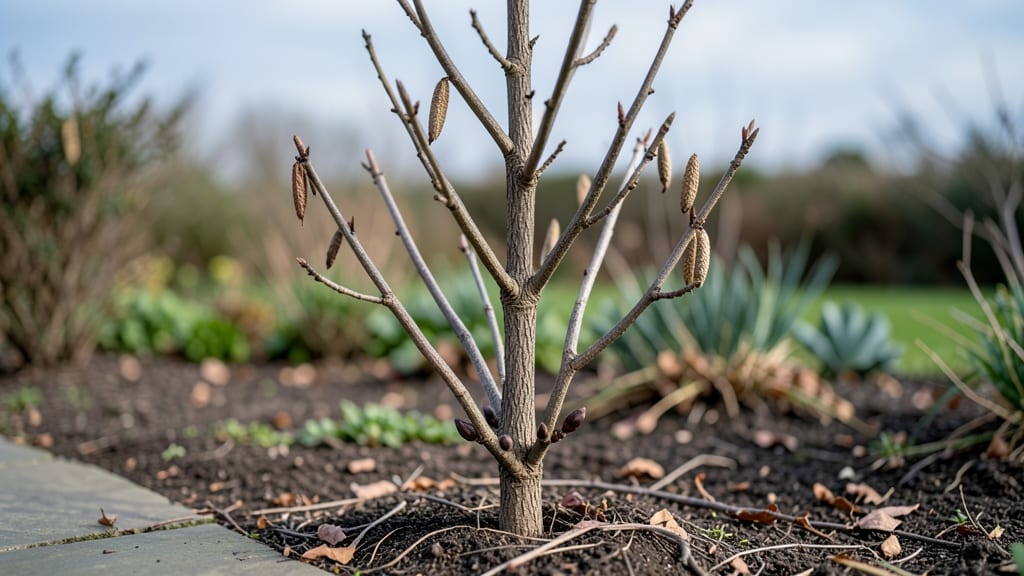
Butterfly bushes do die back in winter, shedding leaves as they enter dormancy in cold regions, but their sturdy stems persist underground and regrow vigorously each spring. Strategic pruning and protective mulching are key to helping them survive frost.
This seasonal leaf drop isn't a sign of death—it's a natural survival mechanism. 🌿 Butterfly bushes (Buddleia spp.) are hardy perennials that conserve energy during winter by shedding foliage, while their woody stems remain dormant below the frost line.
The regrowth you'll see in spring proves they're not annuals but perennial shrubs that simply pause growth until temperatures rise.
I've found that mulching with 3-4 inches of shredded bark or leaves creates an insulating blanket that protects roots from extreme cold, while pruning back one-third of the plant in late winter promotes stronger new growth.
What's fascinating is how their hardiness varies by cultivar—some varieties thrive in USDA Zone 5 with proper care, while others need Zone 6 protection.
The key is understanding your local climate: in milder winters, you might only need light pruning, but in harsher zones, combining mulch with frost blankets can make all the difference. This winter prep pays off with earlier and more abundant blooms come spring.
💡 In This Article
- Why Butterfly Bushes Lose Leaves in Winter
- Winter Care Tips for Butterfly Bushes
Why butterfly bushes lose leaves in winter
Butterfly bushes (Buddleia spp.) undergo a natural process called winter dormancy, where they intentionally shed leaves to conserve energy. When temperatures drop below 32°F, the plant's cells begin breaking down chlorophyll, causing leaves to turn yellow or brown before falling off.
This isn't death—it's survival mode. The woody stems contain specialized cells that store starches and sugars, acting like a biological battery to fuel spring regrowth. 🌱
The timing of leaf drop depends on your climate zone: in Zone 5, bushes may lose foliage by late fall, while Zone 7 varieties might hold leaves until a hard frost.
What's remarkable is how these shrubs can survive temperatures as low as -20°F when properly protected, thanks to their thick bark and underground root systems.
The stems contain vascular tissues that remain active just below the frost line, ready to push out new shoots when soil temperatures reach 50°F in spring.
This seasonal cycle mirrors how other hardy perennials like lilacs or forsythia behave, but butterfly bushes take it further by completely defoliating. Unlike evergreens that maintain leaves year-round, these shrubs prioritize energy conservation over photosynthesis during winter.
The trade-off is dramatic—you might see your butterfly bush look completely dead by December, but those woody stems are quietly storing nutrients for the floral display to come.
Hardiness zones play a critical role in how extreme this dormancy gets. In Zone 6, you'll typically see 50-70% leaf drop by November, while Zone 4 plants may lose leaves earlier and need more aggressive protection.
The key difference between annuals and perennials like butterfly bushes is this underground persistence—their roots and stems contain meristem cells that remain viable through winter, ready to burst into growth when conditions improve.
What's often misunderstood is that this leaf drop isn't a sign of poor health or improper care. In fact, healthy butterfly bushes shed leaves more completely than struggling ones. The process is triggered by day length and temperature changes, not by the plant's condition.
This adaptation allows them to thrive in regions with 100+ frost days annually, making them one of the most resilient shrubs for cold climates when given proper winter support.
Interestingly, some butterfly bush cultivars have been bred for milder climates and may retain leaves longer or even bloom in fall. But even these varieties will eventually enter dormancy when nighttime temperatures consistently drop below 40°F.
The plant's ability to "reset" each winter actually helps prevent disease buildup, as old foliage would otherwise harbor pathogens over winter.