
Diseases
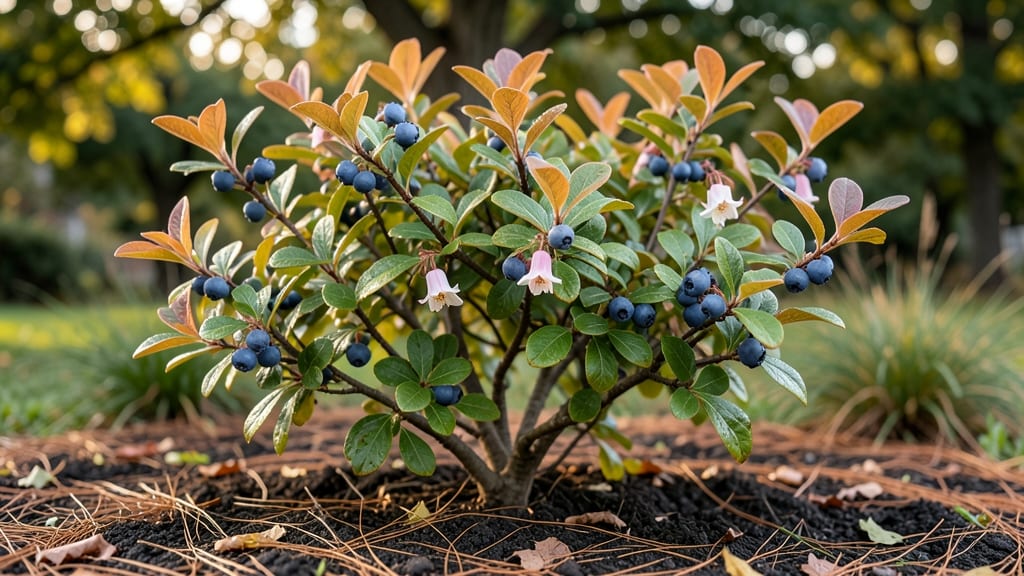
Blueberry bushes do lose their leaves in fall and winter as part of dormancy, a natural survival mechanism that conserves energy during colder months. Most varieties regrow foliage in spring, but persistent leaf loss outside this cycle could indicate stress or disease.
This seasonal leaf drop isn't just normal—it's a smart survival strategy. 🌿 When temperatures drop and daylight shortens, blueberry bushes enter dormancy, shedding leaves to reduce water loss and protect their core. Think of it like a plant version of hibernation: they're conserving energy until spring.
The key difference between healthy dormancy and trouble is timing and appearance—healthy leaves turn brown and crisp before falling, while diseased leaves often yellow, spot, or drop unexpectedly mid-season.
What's interesting is how this affects their care routine. During dormancy, bushes need less water but still benefit from 2-3 inches of mulch to insulate roots. I always check for moldy or wet spots under bushes after heavy rain, as this can signal fungal issues.
In early spring, when new leaves emerge, I look for bright green, firm foliage—a sign the bush is ready for fertilizer and pruning.
💡 In This Article
- Seasonal Leaf Drop vs. Disease: How to Tell the Difference
- Caring for Blueberry Bushes After Leaf Loss
Seasonal leaf drop vs. disease: how to tell the difference
Blueberry bushes undergo leaf drop as part of their natural dormancy cycle, triggered by shorter daylight hours and dropping temperatures below 50°F. This process begins when the bush's internal clock detects the decreasing photoperiod (daylight duration), prompting the plant to conserve energy.
The leaves turn brown and crisp, a sign of chlorophyll breakdown, before falling naturally. This is different from disease-related leaf loss, where leaves often yellow, develop black spots, or drop prematurely—sometimes even in warm weather.
The key biological mechanism involves the plant's hormones. As temperatures fall, the bush increases production of abscisic acid, a plant hormone that signals leaf detachment. Simultaneously, the bush reduces water uptake and slows metabolic processes to survive winter.
Healthy bushes may retain some leaves longer in mild winters, but by late fall, most varieties like Rabbiteye or Southern Highbush will be mostly bare. The timing is crucial: natural dormancy occurs after fruit production, typically between October and December, depending on your climate zone.
Visual cues help distinguish healthy dormancy from trouble. Healthy leaves turn uniformly brown and feel papery before falling, while diseased leaves may show irregular patterns like reddish-purple spots (a sign of fungal infection) or yellowing between veins (often indicating nutrient deficiency).
Another red flag is leaf drop occurring before October—this could signal stress from poor soil, pests, or improper watering. I always check the undersides of leaves for signs of mildew or webbing, which are clear indicators of disease rather than seasonal change.
Temperature plays a critical role in this process. Blueberry bushes are sensitive to cold, and while they can tolerate -10°F to -15°F depending on the variety, prolonged exposure to below 20°F can damage buds and roots.
This is why proper winter care—like applying 4-6 inches of mulch—is essential. The mulch acts as insulation, protecting roots from temperature swings that can stress the plant and lead to abnormal leaf loss in spring.
Consider this comparison: A healthy bush in dormancy will have dry, brittle leaves that fall easily when touched, while a stressed bush may have soft, greenish leaves that drop with minimal force.
The timing of regrowth also differs—healthy bushes typically sprout new leaves by late March to April, depending on your region, while diseased bushes may show stunted or discolored growth. Pay attention to the buds: healthy ones are plump and brown, while infected buds often appear shriveled or oozing.
What most people don't realize is how closely leaf drop ties to the bush's fruit production cycle. Blueberries are spring-flowering plants, meaning they set buds for next year's fruit in late summer.
If leaf loss occurs too early or is excessive, the bush may not have enough energy to produce flowers—and thus, no fruit. This is why proper care during dormancy is so critical for a productive harvest the following season.
To test your bush's health, perform a simple soil check in early spring. Healthy soil should be moist but not soggy, with a pH between 4.5 and 5.5—blueberries thrive in acidic conditions.
If your soil is too alkaline, the bush may struggle to absorb nutrients, leading to poor leaf health. Use a soil test kit for accuracy, as visual inspection alone can be misleading.