
Blooming
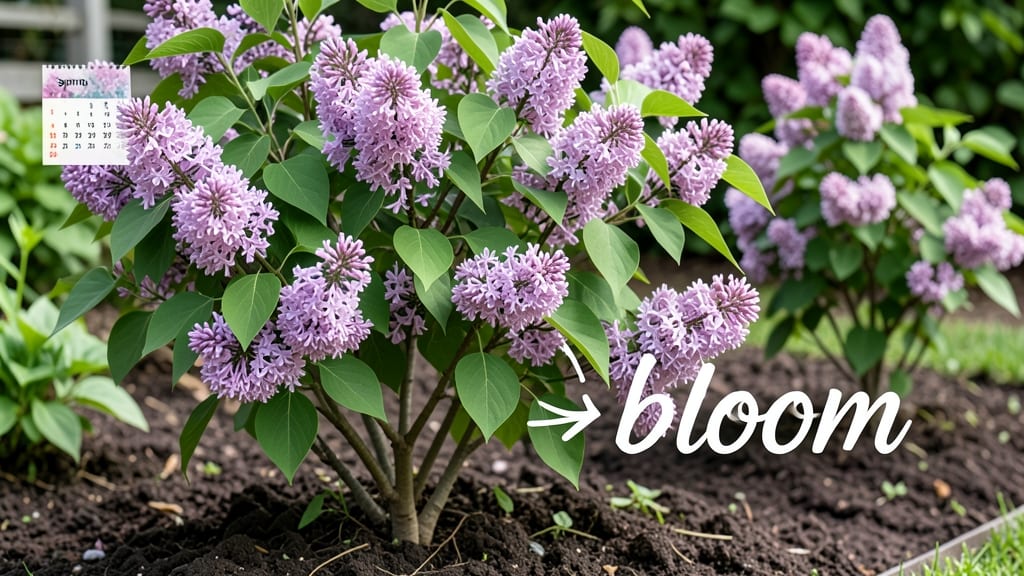
Lilac bushes bloom once a year, typically in spring, but how often they deliver those fragrant 🌸 clusters depends on more than just time.
If you’ve ever wondered why your lilac bush sometimes bursts into fragrant purple blooms and other years delivers sparse flowers, the answer lies in its natural blooming cycle—and how you prune it.
Most lilacs follow a one-bloom-per-year rhythm, usually between May and June, but factors like sunlight, soil health, and pruning timing can shift that cycle. A well-maintained lilac in USDA Zone 6a might even surprise you with a second flush of buds under the right conditions.
Below, I’ll break down the blooming window, how to encourage reliable flowers, and the simple pruning tricks that make all the difference between a sparse show and a showstopping display.
Lilac blooming frequency: natural cycle & factors affecting flower production
Lilac bushes (Syringa spp.) typically bloom just once per year, usually between late spring and early summer, depending on your USDA hardiness zone.
This annual blooming cycle is hardwired into their growth pattern, but the intensity and duration of those flowers can vary wildly based on care and environment. For most gardeners, the peak blooming window falls between May and June, when the air fills with that iconic fragrance.
The first few years after planting are often the most dramatic, as young lilacs focus their energy on establishing roots and branches. A 3-year-old lilac might produce 50-75% more blooms than a 10-year-old specimen, simply because older bushes divert energy to maintaining their size rather than flowering.
However, with proper pruning and care, even mature lilacs can rebound with stunning displays.
Here’s how their blooming cycle breaks down by season:
| Season | Blooming Stage | Key Factors | Care Tips |
|---|---|---|---|
| Late Winter | Bud Formation | Sunlight exposure, soil nutrients | Prune old wood; add compost |
| Spring (March-April) | Flower Buds Swell | 6+ hours sunlight, well-draining soil | Water deeply; avoid fertilizing |
| Late Spring (May-June) | Peak Blooming | Humidity, temperature (50-75°F) | Deadhead spent blooms; mulch base |
| Summer (July-August) | Post-Bloom Recovery | Soil moisture, air circulation | Light pruning; monitor pests |
| Fall (September-October) | Next Year’s Buds Form | Nutrient reserves, pruning timing | Prune after blooming; fertilize lightly |
One of the biggest misconceptions about lilacs is that they bloom only once in their lifetime. In reality, they produce new flower buds every year on last year’s growth, which means proper late-summer pruning is critical.
If you prune at the wrong time—like right after flowering—you’ll cut off the wood that holds next year’s blooms, leaving your lilac sparse for the following season.
Your climate zone plays a huge role in blooming frequency. Lilacs in USDA Zones 3-7 (where they thrive) typically bloom 2-4 weeks earlier than those in warmer zones like Zone 8 or 9.
For example, a lilac in Zone 5 might bloom in early May, while the same variety in Zone 8 could wait until mid-June. Heatwaves during bud formation (March-April) can also delay or reduce blooming, so providing afternoon shade during extreme heat helps.
Soil quality directly impacts how vigorous and frequent your lilac’s blooms will be. Lilacs prefer slightly acidic to neutral soil (pH 6.0-7.0) with excellent drainage. If your soil is too alkaline (pH 7.5+) or compacted, the plant will struggle to absorb nutrients, leading to fewer and smaller blooms.
Amending the soil with compost or peat moss before planting—or even years later—can work wonders for blooming frequency.
Light exposure is non-negotiable for lilacs. While they can tolerate partial shade, they’ll only produce 50% of their potential blooms in low-light conditions. A lilac in full sun (6+ hours daily) will bloom 30-50% more abundantly than one in morning sun only.
If your lilac is in a shady spot, consider transplanting it to a sunnier location in early spring or fall, when the plant is dormant.
Age isn’t just a number for lilacs—it’s a blooming predictor. Young lilacs (1-3 years old) often produce more abundant blooms because they’re investing energy in reproduction.
After 5-7 years, many lilacs enter a declining blooming phase unless you rejuvenate them with a hard pruning every few years. This involves cutting back 1/3 of the oldest stems to the ground, which forces the plant to produce fresh growth—and with it, new flower buds.
Even with perfect care, some years your lilac might skip blooming entirely. This often happens after severe pruning,
Pruning tricks to encourage more frequent lilac blooms
Lilacs bloom on last year’s growth, which means timing your pruning is everything. If you cut at the wrong time—like right after those fragrant purple clusters fade—you’ll sacrifice next year’s blooms.
The secret to frequent, abundant blooms lies in pruning late summer or early fall, when the plant has finished flowering but still has time to form new flower buds for next spring.
Most gardeners make one critical mistake: pruning too late in fall or early spring. This removes the wood that holds next year’s buds, leaving your lilac with sparse or no flowers. Instead, focus on renewing older stems while preserving younger growth where buds form.
For young lilacs (under 3 years old), minimal pruning is best—just remove dead or crossing branches to encourage a strong structure.
- Step 1: Wait Until Late Summer/Early Fall (August-September) Prune after all blooms have faded but before new buds form (typically by mid-October). This ensures you’re only cutting last year’s wood that’s already fulfilled its blooming role.
- Step 2: Remove 1/3 of Oldest Stems Identify the 3-5 oldest, thickest stems and cut them back to the ground or a strong side branch. These stems have already bloomed and won’t produce new buds, so removing them rejuvenates the bush.
- Step 3: Thin Out Crowded Branches Look for crossing or rubbing branches and prune them back to the nearest outward-facing bud. This improves air circulation and reduces disease risk, which can stress the plant and cut blooms.
- Step 4: Shape Lightly for Balance Use hand pruners or loppers to trim overly long branches by 1/3 of their length. Avoid shearing (cutting randomly), as lilacs bloom on individual stems, not along the entire branch.
- Step 5: Clean Up and Mulch Remove all pruned debris from the base to prevent disease buildup. Apply a 2-3 inch layer of mulch around the base (but not touching the trunk) to protect roots and retain moisture.
For older lilacs (5+ years), a more aggressive approach works best. Every 3-5 years, perform a rejuvenation pruning by cutting back 1/3 of the oldest stems to the ground. This may seem drastic, but it forces fresh growth and can double bloom production in subsequent years.
Just be patient—it may take 1-2 years for the bush to recover and bloom abundantly again.
One of the biggest pruning myths is that lilacs don’t need pruning if they’re already blooming well. Even healthy lilacs benefit from annual light pruning to remove dead wood, water sprouts (suckers growing from the base), and branches growing toward the center.
These simple cuts improve light penetration and airflow, which directly translates to more and bigger blooms next season.
If your lilac skips blooming entirely after pruning, don’t panic. It might be recovering from stress or adjusting to new growth. Focus on soil health (add compost in early spring) and consistent watering (deep soaks once a week).
With proper care, even a non-blooming lilac can rebound with showstopping flowers the following year.