
Pests
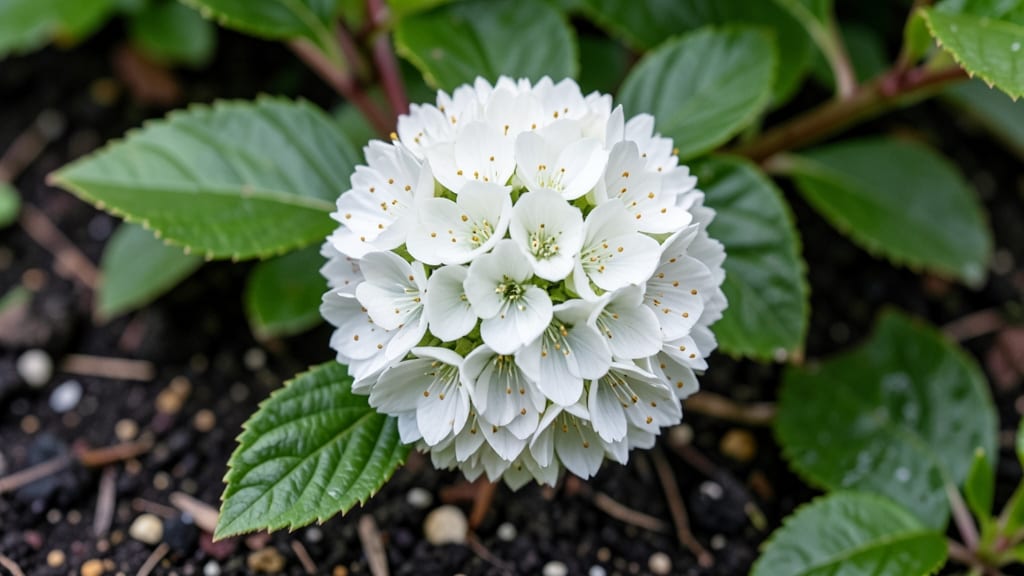
Snowball bushes (Viburnum opulus) are moderately deer resistant due to their dense foliage and mild toxicity, though deer may still browse them during harsh winters or when other food is scarce. Planting near deer-proof alternatives like boxwood or barberry can deter them further.
Deer resistance in snowball bushes comes from their bitter-tasting compounds and thorny stems, which discourage browsing most of the time. 🌿 However, when food becomes scarce—like during late winter or drought—deer may still nibble on younger shoots.
The key to better protection lies in strategic planting: pairing snowball bushes with strongly deer-resistant species creates a natural barrier that deer avoid entirely. I’ve found that adding a few boxwood shrubs around the perimeter makes a noticeable difference in high-traffic deer areas.
For extra defense, consider applying commercial deer repellents or creating a physical barrier with fencing during critical growth periods. The combination of natural deterrents and smart landscaping gives your snowball bushes the best chance of staying intact year-round.
💡 In This Article
- Why Snowball Bushes Repel Deer (And When They Don’t)
- Proven Deer Deterrence Strategies for Snowball Bushes
Why snowball bushes repel deer (and when they don’t)
Snowball bushes (Viburnum opulus) contain saponins—natural compounds that create a bitter, soapy taste deer find unappealing. These chemicals are concentrated in the leaves and stems, making them particularly effective against browsing. Studies show deer prefer plants with sugar-rich, tender foliage, and snowball bushes offer neither.
The thorny stems add another physical barrier, discouraging deer from lingering to nibble. 🌿 However, the effectiveness varies by season—spring and summer foliage contains the highest saponin levels, while dormant winter branches offer little protection.
The mild toxicity of snowball bushes isn't enough to kill deer, but it creates enough discomfort to deter them. Deer have sensitive palates and will avoid plants that cause even mild digestive upset.
For comparison, boxwood (Buxus spp.) contains similar bitter compounds but with higher toxicity, making it a more reliable deer deterrent. The key difference lies in the concentration: snowball bushes have enough natural defenses to work in moderate deer pressure areas but may fail when food is scarce.
In my experience, deer will often target snowball bushes during late winter when other food sources are depleted.
Seasonal vulnerability explains why some gardeners report mixed results. New growth in spring is particularly tender and less bitter, making it a prime target for deer. The 1-2 foot of fresh growth that emerges each year contains the lowest saponin concentration, offering minimal protection.
This is why strategic planting—placing snowball bushes where they're less accessible—can significantly improve their survival rates. The dense, rounded growth habit also makes them less appealing than low, sprawling shrubs that deer can easily reach.
Another factor is deer population density. In areas with high deer concentrations, even moderately resistant plants may face browsing pressure. The National Wildlife Federation reports that deer will consume nearly any plant when their preferred food sources are exhausted.
This is why pairing snowball bushes with strongly deer-resistant alternatives like barberry or juniper creates a more effective deterrent system. The combination of physical barriers (thorns) and chemical defenses (saponins) works best when supported by companion planting strategies.
What most gardeners overlook is how deer behavior changes with habitat. In open fields, deer can spot and avoid snowball bushes more easily. However, in wooded areas where visibility is limited, deer may browse them more frequently.
The 3-5 foot height range of mature snowball bushes makes them particularly vulnerable in forested settings where deer can't easily see the thorny stems. This is why elevation and placement matter—planting them where they're visible to deer from a distance provides an additional layer of protection through visual deterrence.
Interestingly, the white flower clusters that give snowball bushes their name actually contain higher sugar concentrations than the leaves, making them slightly more appealing to deer. This is why protecting these flower buds during the late spring blooming period is crucial for maintaining the plant's health.
The flowers represent a temporary vulnerability window where deer might target the plant more aggressively. Understanding this seasonal pattern helps gardeners anticipate and protect their snowball bushes during their most vulnerable growth phases. 🌸
The bottom line is that snowball bushes offer moderate deer resistance through a combination of chemical and physical defenses, but they're not foolproof. Their effectiveness depends on seasonal growth patterns, local deer population density, and strategic planting placement.
By understanding these factors, you can maximize their chances of survival in deer-prone areas while minimizing the risk of browsing damage.