
Pests
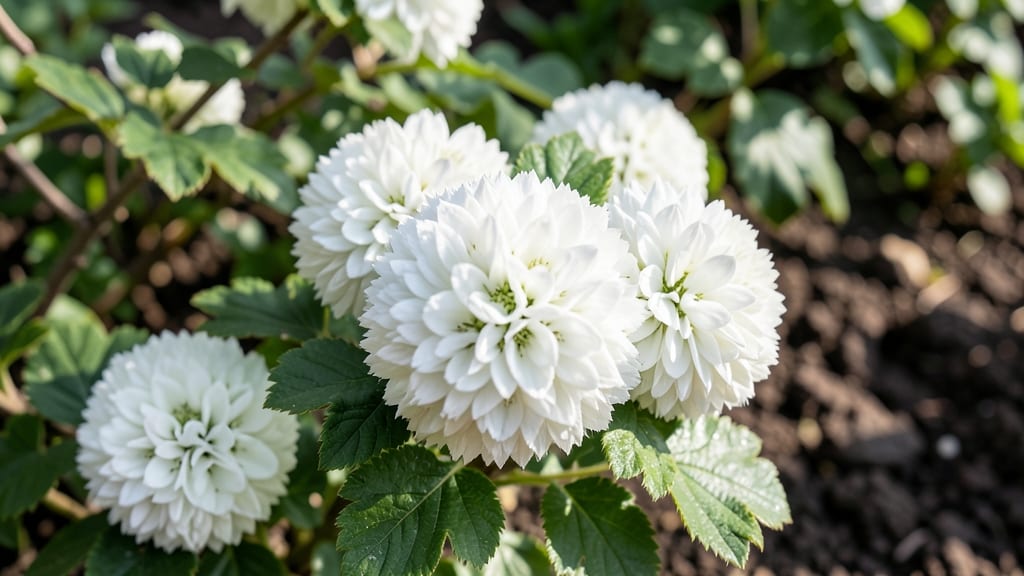
Snowball bushes (Viburnum opulus) are rarely eaten by deer because their thick foliage and mildly bitter compounds make them unappealing, though severe hunger can prompt deer to nibble tender new growth or blossoms. Pairing them with other deer-resistant plants strengthens protection.
Snowball bushes earn their reputation as deer-resistant thanks to their natural chemical defenses. 🌿 The leaves contain compounds that give them a bitter edge, while their dense, rounded growth habit makes them harder for deer to reach.
Unlike tender perennials or young shrubs, snowball bushes offer little nutritional reward for deer—unless food becomes extremely scarce. I've seen this firsthand in gardens where deer completely ignore snowball bushes but devour nearby hostas or daylilies.
For added protection, consider planting snowball bushes alongside deer-deterrent companions like Russian sage or boxwood. The combined scent and texture creates a more formidable barrier. Physical solutions like 6-foot tall fencing or deer repellent sprays (applied seasonally) can provide extra security in high-risk areas where deer populations are dense.
💡 In This Article
- Why Snowball Bushes Are Deer-Resistant
- Deer-Proofing Snowball Bushes in High-Risk Areas
Why snowball bushes are deer-resistant
The snowball bush's natural defenses begin with its foliage density. Unlike many ornamental shrubs, Viburnum opulus grows with thick, rounded canopies that create a physical barrier deer find cumbersome to navigate.
The leaves have a leathery texture that's less appealing than softer plants, and their arrangement makes them harder to strip efficiently. Deer prefer plants they can browse quickly, like hostas or daylilies, which offer easy access to tender leaves.
Chemically, snowball bushes contain iridoid glycosides and tannins that give the foliage a mildly bitter taste. These compounds act as natural deterrents—similar to how mint's essential oils repel insects.
The bitterness becomes more pronounced when leaves are young or damaged, which is why deer avoid them even when food is scarce. For comparison, deer-resistant plants like boxwood rely on similar chemical defenses, but snowball bushes combine this with their dense growth habit for double protection.
The flowering structure also plays a role in deer resistance. Snowball bushes produce large, rounded clusters of white blossoms that deer typically ignore. While some deer may nibble new shoots in spring (when nutritional value is highest), established bushes remain largely untouched.
This contrasts sharply with plants like lilacs, which deer often browse heavily during their blooming season due to their sweeter foliage and flowers.
Seasonal variations affect deer behavior. In winter, when other food sources are scarce, deer might sample snowball bush buds or twigs—but they rarely strip entire branches.
The plant's woody stems are too tough for deer to chew effectively, unlike the soft stems of weigela or forsythia, which are common deer favorites. This seasonal nibbling is usually superficial and doesn't cause lasting damage to mature bushes.
What makes snowball bushes particularly effective is their multi-layered defense system. While some deer-resistant plants rely solely on chemical deterrents (like yarrow or lavender), snowball bushes combine:
- Physical barriers: Dense, rounded growth habit
- Chemical deterrents: Bitter compounds in leaves
- Structural toughness: Leathery leaves and woody stems
For gardeners in areas with high deer populations, snowball bushes offer a low-maintenance solution. Their natural resistance means less need for additional protection measures compared to vulnerable plants.
However, in regions where deer face extreme food shortages (like late winter or drought conditions), even snowball bushes may see increased browsing pressure. 🌿