
Blooming
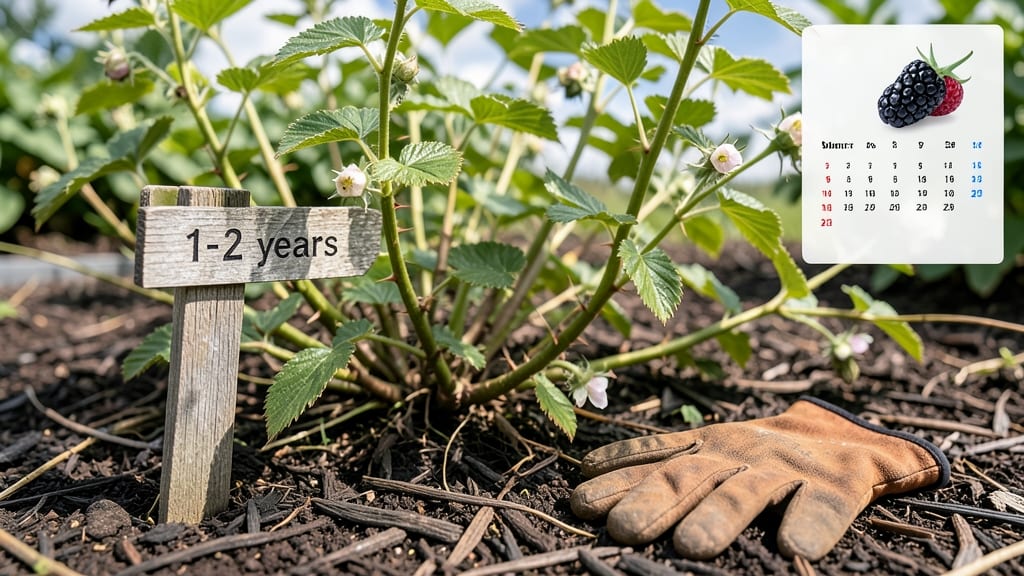
Wondering how long before blackberry bushes produce fruit? The answer depends on the variety and growing conditions, with most taking 1 to 3 years to bear fruit.
Planting those canes in spring feels like the start of something magical, but the real test of patience comes when you check for berries and find nothing—yet. That first harvest can be a long wait, but knowing the timeline and what your bushes need helps turn anticipation into excitement.
Some varieties, like summer-bearing types, might surprise you with fruit in their second year, while others, especially thornless or fall-bearing types, could take until year three. The key is understanding how age, climate, and care work together to speed up—or delay—that first juicy harvest.
Below, I’ll break down the year-by-year growth stages, the factors that influence fruiting time, and the simple steps you can take to encourage your 🫐 blackberry bushes to produce sooner. No guesswork, just actionable tips for gardeners in USDA Zone 6a and beyond.
Blackberry bush fruit production timeline: Year 1 vs. Year 2 vs. Year 3
Blackberries are thrilling to grow, but their fruiting timeline can feel mysterious. Some varieties produce fruit in Year 1, while others wait until Year 2 or 3. The key lies in understanding primocane vs. floricane varieties and their unique growth patterns.
Let’s break down exactly what to expect each season to set realistic expectations and optimize care.
In Year 1, your blackberry bush focuses on establishing roots and developing canes. Most floricane varieties (like 'Triple Crown' or 'Natchez') won’t produce fruit until Year 2 because they fruit on second-year canes.
Meanwhile, primocane varieties (like 'Prime-Ark Freedom' or 'Arapaho') may surprise you with fruit in Year 1, as they bear on first-year canes.
Here’s a clear breakdown of what happens each year to help you plan:
| Year | Growth Focus | Fruiting Status | Key Tasks |
|---|---|---|---|
| Year 1 | Root establishment, cane growth (2-4 ft tall) | Primocanes: Possible fruit (fall-bearing varieties) | Water deeply, mulch, avoid pruning |
| Year 2 | Flower buds form on floricanes (4-6 ft tall) | Floricanes: First harvest (summer-bearing varieties) | Prune old canes, fertilize, protect from pests |
| Year 3+ | Mature plant (6-12 ft tall), full production | Both primocanes and floricanes fruit | Renewal pruning, monitor for disease |
If you planted floricane varieties, don’t panic if no fruit appears in Year 1. These bushes need time to build energy reserves in their roots before producing fruit on second-year canes. Think of it like saving money for a big purchase—patience pays off with heavier harvests in later years.
For primocane varieties, the first harvest might arrive in late summer or fall of Year 1. These canes grow quickly and bear fruit on the same season they emerge, making them ideal for impatient gardeners. Varieties like 'Prime-Ark Freedom' or 'Cheyenne' are popular choices for this reason.
Climate plays a huge role in fruiting timelines. In warmer zones (USDA 7-10), blackberries may fruit earlier, while colder climates (USDA 5-6) might delay production until Year 2 or 3. Always check your variety’s hardiness zone match to avoid disappointment.
Proper winter protection is critical, especially in Year 1. Young canes are vulnerable to freeze damage, which can set back fruiting by a full year. Use mulch or row covers to insulate roots during dormancy. This small step ensures your bush stays healthy and ready to fruit on schedule.
Pruning mistakes are another common reason for delayed fruiting. In Year 1, avoid cutting back canes—let them grow freely. In Year 2, remove old floricanes after harvest to encourage new growth. Over-pruning can confuse the plant and reduce fruit production for up to a year.
By Year 3, a well-cared-for blackberry bush enters its prime, producing pounds of fruit per plant if given the right conditions. With consistent care—like balanced fertilization, disease monitoring, and pruning discipline
The first year is about building a strong foundation, and the rewards come in years two and three. 🫐
5 Key factors that speed up or delay blackberry fruit production
Choosing the right blackberry variety is your first step toward faster fruiting. Summer-bearing types like 'Triple Crown' typically fruit in Year 2, while fall-bearing varieties (e.g., 'Natchez') may produce in Year 1 on primocanes. Thornless varieties like 'Cheyenne' often mature slightly slower but reward patience with easier harvesting.
Your soil conditions play a critical role—blackberries thrive in well-draining, slightly acidic soil (pH 5.5–6.5). Amend heavy clay with compost or sand, and ensure organic matter is at least 3 inches deep.
Poor soil slows root development, delaying fruiting by 6–12 months. A simple soil test can reveal deficiencies to address before planting.
📌 5 Key Factors for Blackberry Fruit Production
Variety Selection: Fall-bearing types (e.g., 'Natchez') fruit in Year 1 on primocanes, while summer-bearing types (e.g., 'Triple Crown') wait until Year 2 on floricanes.
Soil Conditions: Well-draining, acidic soil (pH 5.5–6.5) speeds up fruiting. Poor soil can delay harvests by 6–12 months.
Pruning Techniques: Renewal pruning (cutting old canes) in late winter encourages new primocanes, which bear fruit faster in fall-bearing types.
Sunlight Exposure: 6+ hours of full sun daily accelerates growth. Shade reduces fruiting by 30–50%.
Winter Hardiness: Cold-hardy varieties (e.g., 'Boyne') survive harsh winters and fruit 1–2 years faster than tender types.
Pruning techniques directly impact fruiting speed. For summer-bearing varieties, remove old floricanes after harvest to redirect energy to new primocanes. Fall-bearing types benefit from renewal pruning—cutting canes to the ground in late winter forces vigorous new growth that fruits earlier in the season.
Sunlight exposure is non-negotiable—6+ hours of full sun daily ensures optimal photosynthesis and faster maturation. In partial shade, blackberries may take 1–2 extra years to fruit. If your site lacks sun, consider container growing near a south-facing wall or a sunny patio.
Finally, winter hardiness determines survival and fruiting speed. Cold-hardy varieties (USDA Zones 5–8) like 'Chester' or 'Darrow' bounce back from winter and fruit 1–2 years faster than tender types. Mulch heavily in Zone 4 or colder to protect roots and encourage earlier spring growth.
By focusing on these 5 key factors, you can shave 6–12 months off the time it takes for your blackberries to produce fruit—turning impatient waiters into productive powerhouses. 🫐