
Planting
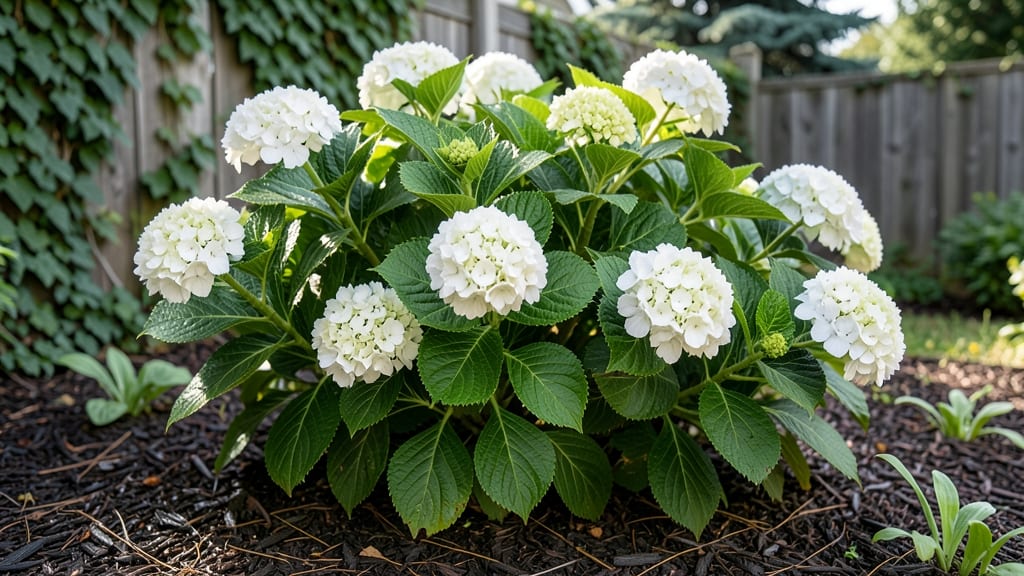
White flower bush plants transform any yard into a fragrant haven with almost no upkeep. 🌸 I planted my first white-flowering bush five years ago, and it’s still thriving—blooming from spring through fall with barely any pruning.
The secret lies in choosing the right variety for your climate and giving it consistent (but not fussy) care.
Most white-flowering bushes—like mock orange, abutilon, or certain hydrangeas—love full sun to partial shade and well-draining soil. Overwatering is their biggest enemy, but a deep watering once a week (more in summer) keeps them happy without the fuss.
The real magic? Their fragrance lingers long after the blooms fade, filling your garden with a clean, sweet scent that hummingbirds adore.
You’ll spend less than 30 minutes a year on pruning if you time it right—just trim dead branches in late winter and shape lightly after blooming. These bushes handle neglect better than most, so even if you forget a season, they bounce back.
The payoff? A low-maintenance, high-impact garden feature that outshines high-fuss annuals.
Works for small yards, foundation plantings, or even container gardens with dwarf varieties. Let’s pick the perfect one for your space and climate—no green thumb required.
📚 In This Guide
- What you need
- Instructions
- Tips and common mistakes
- Wrapping up and next steps
What you need
- ● White flower bush plant: 1 nursery-grown Hydrangea arborescens (Annabelle®), Deutzia, or Spiraea (most popular white-flowering varieties)
- ● OR 1-2 packets of seeds (if starting from scratch)
- ● Planting site: 6–8 hours of sunlight daily (partial shade for some varieties like Deutzia)
- ● Well-draining soil (amend with compost if needed)
- ● Tools: 1 trowel or garden spade
- ● 1 pair of pruning shears (sterilized)
- ● 1 garden hose or watering can
- ○ 1 pair of gardening gloves (optional but recommended)
- ● Slow-release fertilizer (e.g., 10-10-10 NPK ratio)
- ● Mulch (2–3 inches of shredded bark or pine straw)
- ● Stakes or plant ties (for young or top-heavy bushes)
- ● pH testing kit (to check soil acidity, ideal: 5.5–6.5 for most white-flowering bushes)
- ● Organic pest control (neem oil or insecticidal soap)
Step-by-Step guide to planting and maintaining a fragrant white flower bush
Here's how to cultivate a low-maintenance white-blossoming shrub that delivers year-round fragrance with just a few seasonal check-ins.
🌱 Step 1: Select and Prepare the Planting Site
Choose a location with 6+ hours of morning sun and afternoon shade—this protects delicate white blooms from scorching while ensuring strong fragrance development. The soil should drain well but retain moisture; amending with 2-3 inches of compost before planting improves both drainage and nutrient availability.
Dig a hole twice as wide as the root ball but only as deep. Position the plant so the top of the root ball sits 1 inch above ground level—this prevents waterlogging and encourages a sturdy base. Gently loosen any circling roots with your fingers to encourage outward growth rather than compacted root balls.
☀️ Step 2: Plant and Water for Initial Establishment
Place the shrub in the hole and backfill with native soil mixed with 1/3 compost to avoid shocking the roots. Tamp down lightly every 2 inches as you fill to eliminate air pockets. Water deeply until the soil is saturated 12 inches down—you'll know it's right when water pools on the surface before draining away.
Apply 1 inch of mulch around the base (but not touching the stem) to conserve moisture and regulate soil temperature. I use pine bark fines because they break down slowly and improve soil structure over time. Keep the mulch 2-3 inches thick to prevent weed competition while allowing air circulation at the soil surface.
💧 Step 3: Establish a Watering Routine for First Year
Water 2-3 times per week during the first growing season, aiming for 1-1.5 gallons per plant each time. You'll know you're doing it right when the soil feels moist 2 inches down but not soggy—white-flowering bushes are prone to root rot if overwatered. Reduce frequency to once weekly once the plant shows new growth in spring and fall dormancy begins.
Here's the thing—most gardeners overwater in spring because they see new leaves emerging. Instead, check soil moisture by pushing a finger 2 inches deep. If it feels dry, water; if damp, wait. Overwatering in the first year leads to weak stems and fewer blooms, which defeats the purpose of planting a fragrant variety.
✂️ Step 4: Prune for Shape and Fragrance Boost
Prune immediately after flowering in early summer to shape the bush and encourage next year's blooms. Remove dead or crossing branches first, then cut back 1/3 of the oldest stems to the ground. This rejuvenates the plant and prevents a woody center that reduces fragrance intensity. Use clean, sharp pruners to make cuts at a 45-degree angle just above a leaf node.
Skip heavy pruning in fall—just remove any dead or diseased branches. The plant relies on its structure to hold blooms, and aggressive cuts in winter stress the plant unnecessarily. A light tidy-up in late winter (just before buds swell) keeps the shape neat without sacrificing next year's flowers.
🌿 Step 5: Maintain Year-Round Fragrance Through Seasonal Care
Fertilize once in early spring with 5-10-10 at half-strength to promote blooms without excessive leaf growth. Apply it 3 inches away from the stem and water immediately to prevent root burn. Avoid high-nitrogen fertilizers—they produce lush foliage but fewer fragrant flowers, which is the whole point of planting this variety.
Watch for aphids or spider mites on new growth, especially in hot, dry summers. I spray with neem oil at the first sign of pests—it's organic, effective, and won't harm beneficial insects. A light application every 2 weeks during peak growing season keeps the plant healthy and blooming without harsh chemicals.
Tips & tricks for perfect white flower bush planting
Took me a while to figure these out, so here's how to avoid common pitfalls while maximizing that intoxicating fragrance.
Soil Prep Secret: The 2-3 inches of compost in Step 1 isn't just about nutrients—it's about creating the right texture. I mix in an extra handful of perlite to prevent compaction, especially in clay-heavy soils. This ensures those delicate white blooms get the air circulation they need while still retaining moisture. Compacted soil leads to weak stems and fewer flowers, so don't skip this step even if your soil looks fine.
Watering Wisdom: That 1-1.5 gallons per watering in Step 3 might seem like a lot, but it's crucial for establishing deep roots. I've seen many gardeners water lightly multiple times instead—this creates shallow roots that struggle when summer heat arrives. For the first 30 days, I actually measure the water to ensure I'm hitting that 12-inch saturation mark. A moisture meter helps here if you're unsure.
Pruning Precision: When you cut back 1/3 of the oldest stems in Step 4, make those cuts just above a leaf node where you see a slight bump. This hidden growth point is where new branches will emerge. I always sterilize my pruners with rubbing alcohol between cuts to prevent spreading disease—especially important when working with fragrant varieties that attract pests. The 45-degree angle isn't just for looks; it helps water run off the cut instead of pooling.
Fragrance Booster: For an extra scent kick, add a handful of crushed rose petals to your compost mix during planting. The essential oils from the petals will slowly release into the soil, enhancing the natural fragrance of your white blooms. Just be sure to use organic, pesticide-free petals—chemical residues can harm your plant. This optional step works particularly well if you're planting near seating areas where you want maximum scent impact.
Pro Tips for White Flower Bush Plant
- Took me a while to figure these out, so here's how to avoid common pitfalls while maximizing that intoxicating fragrance.
- Soil Prep Secret: The 2-3 inches of compost in Step 1 isn't just about nutrients—it's about creating the right texture.
- Watering Wisdom: That 1-1.5 gallons per watering in Step 3 might seem like a lot, but it's crucial for establishing deep roots.
Frequently asked questions
Got questions about keeping your white flower bush plant thriving? You’re not alone! Here are some of the most common concerns—plus straightforward answers to help you enjoy that fragrant, low-maintenance beauty year-round.
What’s the best time to plant a white flower bush?
For most varieties (like mock orange or viburnum), early spring or fall is ideal—when soil is workable but not scorching. Avoid extreme heat or frost, as roots need time to establish. If planting in summer, water deeply daily for the first 2–3 weeks to reduce transplant shock.
How often should I water a white flower bush?
Newly planted bushes need 1–1.5 inches of water weekly (check soil moisture 2 inches down). Once established (after 1–2 years), they’re drought-tolerant—water deeply but infrequently (every 2–3 weeks unless it’s a dry spell). Mulch helps retain moisture and keeps roots cool.
Do white flower bushes need much pruning?
Not at all! Prune only to shape or remove dead branches in late winter or early spring. Avoid heavy cuts, as these bushes bloom on old wood. If overgrown, trim back no more than 1/3 of the plant at a time to encourage healthy regrowth.
Are white flower bushes prone to pests or diseases?
Most varieties are pest-resistant, but watch for aphids or spider mites (common on stressed plants). Treat with neem oil if needed. Fungal issues (like powdery mildew) can occur in humid climates—improve airflow by spacing plants properly and avoid overhead watering.
What’s a good alternative if I want a fragrant white bush but need less maintenance?
Consider Dwarf Fothergilla (fragrant spring blooms, compact size) or Abelia (tolerates heat/drought, blooms spring to fall). Both thrive in similar conditions but require even less pruning. For year-round interest, try Pieris japonica (evergreen with white spring flowers).
Wrapping up and next steps
Transforming your garden with a white flower bush plant is easier than you think—and the rewards are endless! These fragrant, low-maintenance beauties bring year-round charm with minimal effort, making them the perfect addition for busy gardeners or beginners.
Whether you’re drawn to their delicate blooms or their effortless care, now’s the time to plant, nurture, and enjoy.
Ready to dive in? Start by choosing your favorite variety, gathering your supplies, and picking a sunny spot in your yard. Your fragrant oasis awaits—what are you waiting for? 🌸✨