
Pruning
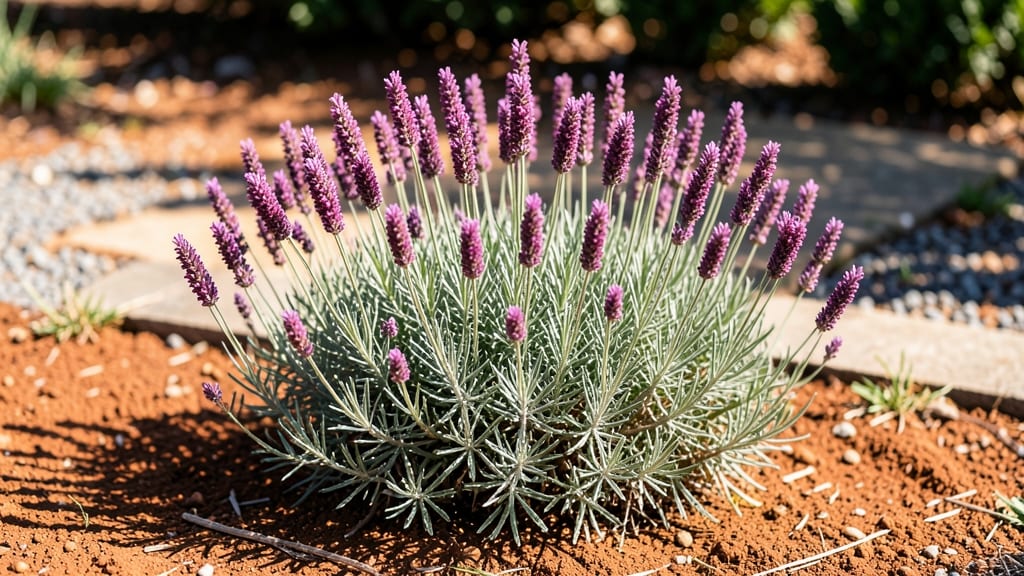
Pruning your Spanish lavender bush (Lavandula stoechas) isn't just about shaping—it's about unlocking that year-round fragrance and keeping your plant thriving. 🌿 I've learned the hard way that skipping pruning leads to woody stems and fewer blooms, but with the right timing and technique, your lavender will reward you with lush purple blooms and that signature sweet scent for months longer than you'd expect.
The key is working with the plant's natural growth cycle: prune lightly after flowering in early summer, then again in late winter to shape and encourage fresh growth. You'll only need sharp pruners, gloves, and about 15 minutes—no fancy tools required.
The goal is to remove no more than one-third of the plant at a time, always cutting just above a leaf node to encourage bushier growth.
What you'll end up with is a compact, fragrant shrub that stays disease-resistant and productive for years. The flowers will last longer on the stems, and you'll have plenty of cuttings for sachets or potpourri.
Even in winter, the woody stems hold that faint lavender aroma when brushed against—proof that proper pruning pays off.
This method works for both container-grown lavender and in-ground plants, and it's just as effective in Zone 7-10 climates as it is in Mediterranean-inspired gardens. The only real mistake is waiting too long—once your plant gets leggy, it's harder to bring it back. Let's get those pruners ready!
📚 In This Guide
- What you need
- Instructions
- Tips and common mistakes
- Wrapping up and next steps
What you need
- ● Pruning shears: Sharp, bypass-style shears (4–6 inches long) for clean cuts. Avoid dull tools—they crush stems instead of cutting them!
- ● Garden gloves: A pair of cut-resistant gloves (size medium/large) to protect your hands from thorns and rough stems.
- ○ Disinfectant (optional but recommended): A small bottle of rubbing alcohol (70%+) or hydrogen peroxide (3%) to wipe tools between cuts and prevent disease.
- ● Garden twine or stakes: 3–4 wooden stakes (6–12 inches tall) and twine to temporarily support branches if needed during heavy pruning.
- ● Watering can or hose: For post-pruning hydration—1–2 gallons of water should do the trick.
- ● Compost or mulch: A 5-gallon bag of organic compost or mulch to replenish soil nutrients after trimming.
- ● Hand pruners: For smaller branches or tight spaces (ergonomic grip preferred).
- ● Loppers: If your lavender bush is over 3 feet tall and needs thicker cuts.
- ● Pruning saw: Only for very mature bushes with woody stems (rare for Spanish lavender).
- ● Plant food: A balanced, slow-release fertilizer (10-10-10 ratio) to boost recovery after pruning.
- ● Camera or journal: To track your pruning progress and note growth patterns over time!
Step-by-Step guide to pruning Spanish lavender for year-round fragrance
Here's how to keep your Spanish lavender lush, fragrant, and healthy with seasonal trims.
✂️ Step 1: Prune Lightly After Spring Blooms
Wait until after the first flush of blooms in late spring—typically May or June—before your first trim. Spanish lavender blooms on new wood, so removing spent flowers now encourages a second, even more fragrant bloom cycle later in summer. Use clean, sharp pruners to cut back one-third of the plant's height, focusing on leggy stems and any woody growth at the base.
Here's the thing—don't cut into old wood. You'll know you're safe when you see green stems rather than brown. This first trim sets the stage for a bushier plant. I like to shape it into a rounded form, which helps air circulate and prevents fungal issues. After pruning, give the plant a light watering if your area hasn't received rain in over a week.
✂️ Step 2: Deadhead and Shape Mid-Summer for Second Blooms
Around July or August, you'll notice new flower spikes forming. This is your cue to deadhead spent blooms while leaving the fresh buds intact. Use your fingers or pruners to snip off only the faded flower heads, not the stems. The goal is to redirect the plant's energy into producing more flowers rather than seed pods.
While you're at it, take a moment to shape the plant lightly. Spanish lavender grows in a more upright form than English lavender, so I often trim the sides to encourage a fuller silhouette. Avoid cutting more than 10-15% of the plant at this stage—you're not trying to drastically reshape it, just maintain its form. If you see any yellowing leaves, trim those off immediately to prevent disease spread.
🌿 Step 3: Light Winter Pruning to Encourage New Growth
In late winter or early spring, before new growth appears, give your Spanish lavender a light trim to remove any dead, damaged, or crossing branches. This is the only time of year you should prune into older wood, but keep it minimal—just enough to open up the center of the plant and improve airflow. I usually cut back only the tips of branches that look woody or overgrown.
Real talk: Over-pruning in winter can stimulate too much new growth too early, which might get damaged by late frosts. The key is to stimulate, not shock. After this trim, you can apply a light layer of mulch around the base (if using) to protect roots from temperature swings. Avoid heavy pruning now—save the heavy cuts for spring after blooming.
☀️ Step 4: Maintain Year-Round with Minimal Trims
Throughout the year, keep an eye out for stray shoots growing at the base or overly long stems. Snip these off as you notice them to maintain the plant's shape and prevent it from becoming leggy. Spanish lavender is surprisingly forgiving—even if you skip a season, it'll bounce back with proper care.
Here's what I do: Every 4-6 weeks during the growing season, I do a quick once-over, removing only what's necessary. The less you prune, the more fragrant the oil becomes—so resist the urge to over-trim. If your plant looks too woody or sparse, it's a sign you've been pruning too heavily. The goal is minimal trimming for maximum fragrance.
Tips & tricks for perfect Spanish lavender bush pruning
Keeping your Spanish lavender fragrant and healthy requires understanding its unique growth patterns—and these tricks will help you avoid common mistakes while maximizing those signature aromas.
Timing is Everything: The late spring prune in Step 1 should focus on cutting back exactly one-third of the plant's height, but here's the catch: only trim after the first flush of blooms has fully opened. I've seen gardeners rush this step and accidentally prune off the next bloom cycle—wait until those purple spikes are completely spent before making your cuts. This ensures you're always working with fresh new wood that will produce those fragrant second blooms later in summer.
Tool Selection Matters: While the instructions mention clean, sharp pruners, I can't stress enough how important this is. Dull blades crush stems instead of cleanly cutting them, which can lead to disease entry points. I keep a dedicated pair of pruners just for lavender, sterilized with rubbing alcohol between uses. For the delicate deadheading in Step 2, your fingers often work better than tools—just pinch off the faded flower heads between your thumb and forefinger for precision.
Visual Cues for Pruning: When you're deciding whether to cut into old wood during the winter prune (Step 3), look for these visual clues: green stems are your friends, while brown or woody stems should be trimmed back. I've found that holding the plant up to bright sunlight makes these color differences even more obvious. The goal is to maintain that vibrant green growth that produces the most aromatic oil—so never hesitate to cut back any stems that look tired or overgrown.
Pro Tips for Spanish Lavender Bush
- Keeping your Spanish lavender fragrant and healthy requires understanding its unique growth patterns—and these tricks will help you avoid common mistakes while maximizing those signature aromas.
- Timing is Everything: The late spring prune in Step 1 should focus on cutting back exactly one-third of the plant's height, but here's the catch: only trim after the first flush of blooms has fully opened.
- Tool Selection Matters: While the instructions mention clean, sharp pruners, I can't stress enough how important this is.
Frequently asked questions
Got questions about keeping your Spanish lavender bush thriving with minimal effort? Here are some of the most common ones—plus quick answers to keep those fragrant blooms coming year-round!
When is the best time to prune Spanish lavender?
Prune your Spanish lavender after flowering (late summer to early fall) to encourage new growth. Avoid heavy cuts in spring—this plant prefers a light touch! For shaping, do a light trim in early spring to remove dead stems and promote airflow.
How much should I trim off my Spanish lavender bush?
Keep it simple: Never remove more than 1/3 of the plant at once. For maintenance, snip just the woody, overgrown stems back to a healthy leaf node. Over-pruning can stress the plant, so think "less is more"!
Why isn’t my Spanish lavender blooming?
Lavender needs full sun (6+ hours daily) and well-draining soil. If it’s not flowering, check for:
- Shade issues (move it to sunnier spot)
- Overwatering (let soil dry completely between waterings)
- Poor soil (amend with gravel or sand for drainage)
Can I grow Spanish lavender in containers?
Spanish lavender thrives in containers with drainage holes. Use a fast-draining potting mix (like cactus/succulent blend) and a pot at least 12 inches wide. Prune regularly to control size, and move containers to warmer spots in winter if temps drop below 10°F (-12°C).
Is Spanish lavender toxic to pets or bees?
Good news: Spanish lavender is non-toxic to dogs and cats (though excessive ingestion can cause mild stomach upset). It’s also bee-friendly—plant it to support pollinators! Just avoid using chemical pesticides, as they harm bees.
How do I protect Spanish lavender in winter?
Spanish lavender is hardy to USDA Zone 7-10, but younger plants or colder climates need help. Mulch lightly (2-3 inches of gravel or straw) around the base, and cover with burlap if temps drop below 20°F (-6°C). Avoid heavy mulch—it can suffocate roots.
Wrapping up and next steps
Transforming your Spanish lavender bush into a fragrant, thriving beauty doesn’t have to be complicated—just consistent! With the right tools, seasonal timing, and a gentle touch, you’ll enjoy year-round blooms and that signature Mediterranean aroma with minimal effort.
Whether you’re a pruning pro or a beginner, these tips ensure your lavender stays healthy, lush, and full of life.
Ready to elevate your garden? Start small: pick one season to practice, then expand your routine. Grab your shears, take a deep breath of that fresh scent, and watch your Spanish lavender flourish—one trim at a time! 🌿✨