
Pruning
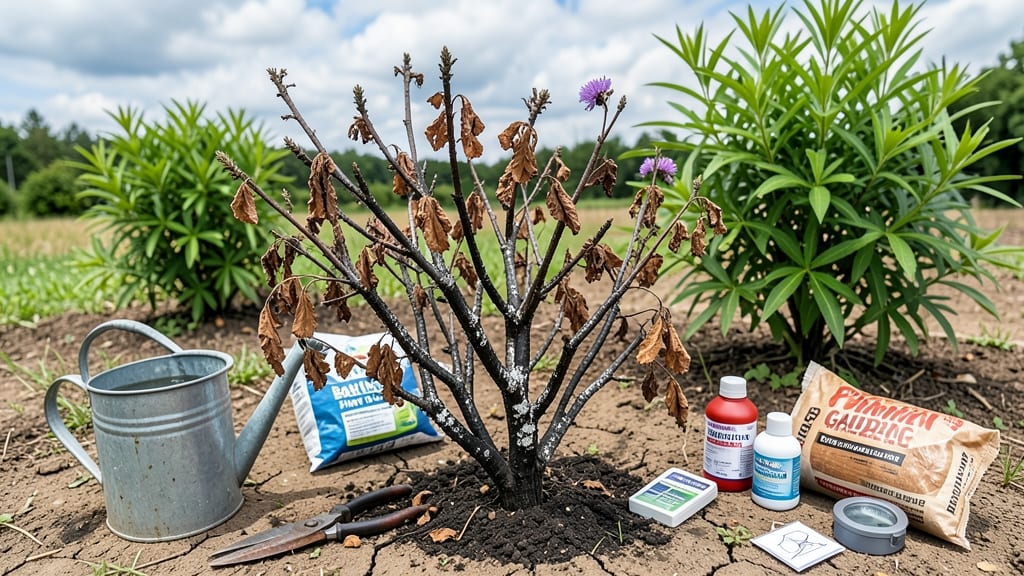
Your butterfly bush didn’t just die—it sent you a clear message. 🌿 The most common culprits are overwatering (which causes root rot), powdery mildew (that white, dusty coating), or a sudden cold snap that froze the plant’s tender stems.
I’ve seen all three wipe out healthy bushes in a single season, and the good news? Each has a straightforward fix.
Start by checking the roots—healthy ones should be firm and pale, not mushy or blackened. If you spot powdery mildew, prune infected branches below the damage and spray with neem oil.
For waterlogged soil, improve drainage by mixing in compost or sand. Most butterfly bushes bounce back within weeks when you address the root issue.
What you’ll end up with is a bush that’s stronger than before—thicker stems, more vibrant blooms, and better resistance to future stress. The key is acting fast: once the plant’s leaves turn brown and crispy, it’s too late for that season, but next year’s growth can still be saved.
If the damage is beyond repair, don’t toss it out—use the space to plant a more drought-tolerant variety or a different pollinator favorite. Butterfly bushes are resilient, and with the right care, your garden will be buzzing with wings again in no time.
Hidden Killers Behind Your Dying Butterfly Bush
Your butterfly bush (Buddleja davidii) might look tough, but it’s actually quite sensitive to a few sneaky issues that can turn its vibrant blooms into sad, wilted stems. Understanding the root causes of its decline is the first step to bringing it back to life—or preventing future heartbreak.
Let’s dive into the science behind why your butterfly bush might have met an untimely end.
Butterfly bushes thrive in USDA Hardiness Zones 5-9, but they’re not fans of sudden temperature swings. Here’s how climate can sabotage them:
- Frost Damage: Young plants or tender new growth can’t handle freezing temps below 20°F (-6°C). Ice crystals form in plant cells, rupturing them like a frozen balloon. Look for: Blackened stems, crispy leaves, or buds that refuse to open in spring.
- Heat Stress: While they love sun, prolonged heatwaves (especially above 95°F/35°C) cause transpirational stress. The plant loses water faster than roots can absorb it, leading to wilting, leaf scorch (brown edges), and eventual collapse.
- Windburn: Strong winds dry out leaves and stems, creating abrasive damage (tiny tears) that invite fungal infections. Coastal or exposed gardens are high-risk zones.
💡 Pro Tip: If you’re in a marginal zone (like Zone 4 or 10), choose cold-hardy varieties like Buddleja ‘Lo & Behold® Purple Haze’ or mulch heavily in winter to insulate roots. For heat, provide afternoon shade in peak summer.
Butterfly bushes are drought-tolerant once established, but they hate soggy feet. Overwatering or compacted, poorly draining soil creates the perfect storm for:
- Root Rot: Fungal pathogens like Phytophthora or Pythium thrive in waterlogged soil. They suffocate roots, cutting off nutrient and water uptake. Signs: Mushy, black roots; wilting despite moist soil; a foul smell at the base.
- Nutrient Leaching: Excess water washes away essential minerals (like nitrogen and potassium) from the root zone, starving the plant. This leads to yellowing leaves (chlorosis) and stunted growth.
- Oxygen Deprivation: Roots need air! Water-filled soil displaces oxygen, forcing roots to “drown” and die back.
🔥 Action Step: Test your soil’s drainage by digging a 12-inch hole and filling it with water. If it doesn’t drain within 4–6 hours, amend with:
- Sand or perlite (for sandy soils)
- Compost or coconut coir (for clay soils)
- Raised beds or containers (for severe drainage issues)
Butterfly bushes are magnets for fungi, especially in humid or crowded conditions. The most common culprits:
| Fungal Disease | Symptoms | Cause |
|---|---|---|
| Powdery Mildew | White, powdery coating on leaves; yellowing; stunted growth | High humidity + poor airflow (spores spread via wind/water) |
| Botrytis Blight | Brown, mushy spots on flowers/buds; gray mold | Wet foliage + cool nights (common after rain) |
| Root Rot (Fusarium/Pythium) | Wilting, yellowing leaves; black, slimy roots | Overwatered, compacted soil + warm temps |
🌡️ Prevention: Space plants 3–4 feet apart for airflow, water at the base (not overhead), and prune for circulation. For existing infections, apply neem oil or copper fungicide in the early morning or evening.
Butterfly bushes are light feeders, but they do need balance. Deficiencies often sneak up when soil is depleted or pH is off. Here’s what to watch for:
- Nitrogen (N) Deficiency: Pale yellow leaves (starting with older ones) and slow growth. Cause: Over-pruning or poor soil.
- Potassium (K) Deficiency: Brown leaf edges (“scorching”) and weak stems. Cause: Overwatering or leaching.
- Magnesium (Mg) Deficiency: Yellow patches between leaf veins (interveinal chlorosis). Cause: Acidic soil (pH < 6.0).
- Iron (Fe) Deficiency: Yellow leaves with green veins. Cause: Alkaline soil (pH > 7.0).
💪 Fix It: Test your soil’s pH (ideal: 6.0–7.0) and amend with:
- Compost or well-rotted manure (for N)
- Wood ash (for K, but sparingly)
- Epsom salt (for Mg, 1 tbsp per gallon of water)
- Chelated iron (for Fe, apply in spring)
While butterfly bushes attract beneficial pollinators, they’re also a buffet for pests that drink sap, lay eggs, or spread disease. The worst offenders:
- Aphids: Tiny green/black bugs clustering on new growth. They excrete honeydew, which attracts sooty mold. Signs: Curled leaves, sticky residue.
- Spider Mites: Microscopic red/yellow pests that spin webs on the undersides of leaves. Signs: Bronze-colored leaves, fine webbing.
- Japanese Beetles: Metallic green/black beetles that skeletonize leaves. Signs: Ragged, chewed foliage.
- Scale Insects: Immobile, armored pests that suck sap. Signs: Bumpy, brown spots on stems/leaves.
🔪 Treatment: Blast pests off with a strong spray of water, or use:
- Insecticidal soap (for aphids/mites)
- Neem oil (systemic, safe for pollinators)
- Handpicking beetles (drop into soapy water)
- Prune and destroy heavily infested branches
✨ Key Takeaway: Most butterfly bush deaths are preventable with proper care. Start by checking soil, watering habits, and local pests—then address the issue before it’s too late. Next up? How to
Revive Your Butterfly Bush Now
If your butterfly bush has met an untimely end, don’t panic—there’s still hope! Below, we break down practical, step-by-step fixes for the most common causes of decline, plus prevention tips to keep your plant thriving. Let’s get your butterfly bush back to its vibrant, butterfly-attracting glory.
Signs: Yellowing leaves, mushy stems, or roots that smell foul.
How to Fix It: 🔹 Step 1: Stop Watering Immediately 💧
- Let the soil dry out completely before watering again. Overwatering is the #1 killer of butterfly bushes.
🔹 Step 2: Check the Roots 👨🍳
- Gently dig around the base and inspect the roots. Healthy roots are firm and white; rotted roots are brown, mushy, and stinky.
- If roots are rotted, trim them back with clean pruners to healthy tissue.
🔹 Step 3: Improve Drainage 🏗️
- If your plant is in a pot, add drainage holes if missing. For in-ground plants, amend the soil with compost or perlite to loosen heavy clay.
- Pro Tip: 💡 Plant in a slightly raised bed if your yard has poor drainage.
🔹 Step 4: Water Smartly 💧
- Water deeply but infrequently—about 1 inch per week (adjust for rain). Stick your finger in the soil; if it’s dry 2-3 inches down, it’s time to water.
Prevention: ✨ Use well-draining soil (a mix of garden soil, compost, and sand). ✨ Avoid soggy spots—butterfly bushes hate "wet feet."
Signs: Brown, crispy leaves (especially after a hard freeze), blackened stems.
How to Fix It: 🔹 Step 1: Prune Dead Growth ✂️
- Cut back any blackened or mushy stems to healthy green wood. Use sterilized pruners to avoid disease.
🔹 Step 2: Protect from Future Chill 🌡️
- Mulch heavily (3-4 inches of shredded bark or straw) around the base to insulate roots.
- Wrap young plants in burlap or frost cloth if temperatures dip below 10°F (-12°C).
🔹 Step 3: Wait for New Growth 🌱
- Butterfly bushes are tough! If the roots are still alive, new shoots will emerge in spring. If not, you may need to replant.
Prevention: 🔥 Choose cold-hardy varieties (e.g., ‘Lo and Behold’ series for zones 5-9). 🔥 Plant in a sheltered spot (away from wind and late-season frosts).
Signs: White, pink, or black powdery/mushy spots on leaves; wilting despite good care.
How to Fix It: 🔹 Step 1: Remove Infected Parts 🧹
- Prune away all diseased leaves and stems. Do not compost them—dispose in the trash.
🔹 Step 2: Apply Fungicide 💊
- Spray with a copper-based or neem oil fungicide (follow label instructions). Reapply every 7-10 days until new growth appears.
🔹 Step 3: Improve Airflow 🌬️
- Thin out overcrowded branches and avoid planting near dense shrubs.
- Water at the base (not overhead) to keep leaves dry.
Prevention: ✨ Space plants 3-5 feet apart for airflow. ✨ Clean pruners with rubbing alcohol between cuts to prevent spread.
Signs: Crispy leaf edges, yellowing between veins, stunted growth.
How to Fix It: 🔹 Step 1: Stop Fertilizing 🚫
- Butterfly bushes don’t need much fertilizer—too much salts the soil.
🔹 Step 2: Flush the Soil 💦
- Water the plant heavily for 10-15 minutes to leach out excess salts. Repeat 2-3 times over a week.
🔹 Step 3: Test Soil & Adjust 📊
- Use a soil test kit to check pH (ideal: 6.0-7.0). If needed, amend with sulfur (to lower pH) or lime (to raise pH).
Prevention: 💪 Fertilize lightly in early spring with a balanced, slow-release fertilizer (10-10-10). 💪 Use organic matter (compost or worm castings) instead of synthetic fertilizers.
Signs: Chewed leaves, sticky residue (aphids), or sawdust-like frass (caterpillars).
How to Fix It: 🔹 Step 1: Identify the Pest 🔍
- Aphids/Spider Mites? Spray with soapy water (1 tsp mild soap + 1 quart water).
- Japanese Beetles? Handpick and drop in soapy water.
- Caterpillars? Remove by hand or use Bt (Bacillus thuringiensis) spray.
🔹 Step 2: Introduce Beneficial Insects 🐞
- Ladybugs and lacewings love eating butterfly bush pests. Buy them online or attract them with dill or fennel plants.
🔹 Step 3: Prune Heavily Infested Areas ✂️
- Cut off and burn or bag severely damaged foliage.
Prevention: 🎯 Encourage natural predators (birds, toads, ground beetles) by keeping a diverse garden. 🎯 Inspect plants weekly during peak pest season (spring/summer).
If your butterfly bush is beyond saving (no green growth, mushy roots, or severe disease), it’s time to start fresh.
How to Replant: 🔹 Choose a healthy replacement (look for vibrant green leaves and sturdy stems). 🔹 Plant in well-draining soil (mix garden soil + compost + perlite). 🔹 Water deeply after planting and mulch well to retain moisture. 🔹 Avoid fertilizing for 4-6 weeks to let roots establish.
Pro Tip: 💡 Label your new plant with the variety and planting date—it helps track growth!
Final Thought: Most butterfly bush "deaths" are easily preventable with the right care. Now that you’ve diagnosed the issue, take action today—your plant (or its replacement) will thank you with years of colorful blooms and fluttering wings! 🦋🌸
Frequently asked questions about butterfly bush decline
My butterfly bush leaves turned brown overnight—what could have caused this?
Sudden browning often means frost damage or heat stress. Check for blackened stems (frost) or crispy edges (heat). If it happened after a cold snap, the plant may recover with proper mulching. For heat stress, provide afternoon shade during 95°F+ days.
Should I cut back my dying butterfly bush now or wait until spring?
Prune dead or diseased branches immediately—even in winter. Remove any blackened stems or leaves with sterilized pruners to prevent fungal spread. Healthy green stems will regrow in spring, but dead wood won’t come back. Just avoid heavy pruning in late fall.
How do I know if my butterfly bush is dead or just dormant?
Check the roots and stems. If roots are firm and white (not mushy or black), the plant is alive but dormant. Scratch the bark—green underneath means life! If stems are completely black and roots smell foul, it’s dead. Wait until spring to confirm if you’re unsure.
Can I save a butterfly bush with root rot? What’s the first step?
Yes, but act fast! Stop watering immediately and dig up the plant to inspect roots. Trim away all mushy, blackened roots with clean pruners. Repot in fresh, well-draining soil (mix garden soil + perlite) and water lightly only when the top 2 inches of soil are dry.
My butterfly bush has white powder on the leaves—is this always powdery mildew?
Most likely! Powdery mildew thrives in humid conditions and looks like white dust on leaves. To confirm, check for yellowing underneath. Treat with neem oil (mix 1 tbsp per quart of water) and improve airflow by spacing plants 3-4 feet apart. Prune infected branches below the damage.