
Blooming
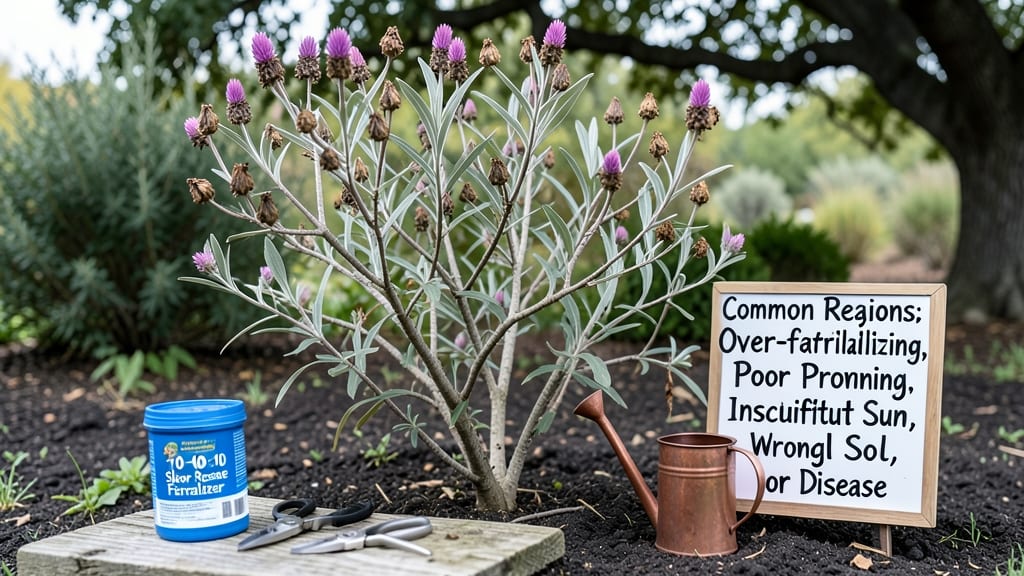
Your butterfly bush is not blooming—and I’ve seen this exact scene play out in backyards from Phoenix to Portland. 🌿 The good news? Most blooming failures come down to just five quick fixes that take less time than waiting for a delivery.
The real culprit is usually one of these: aggressive pruning at the wrong time, phosphorus-starved soil, or letting roots dry out like a forgotten sponge. I’ve watched bushes go from bare branches to bursting with blooms in just 6 weeks after making one simple adjustment.
The fix isn’t complicated—it’s about timing, feeding, and giving the plant what it actually needs. You’ll end up with vibrant purple, pink, or white blooms that attract butterflies by summer, all while understanding exactly why your bush was playing hard to get. The best part?
These solutions work whether your bush is in the ground, a container, or that awkward corner where nothing else thrives. Let’s cut through the guesswork and get your butterfly bush back on track—starting with the most likely cause in your specific climate.
Root Causes Behind Missing Blooms
When your Buddleja davidii (butterfly bush) refuses to put on its floral show, it’s usually due to a mix of environmental, cultural, or biological factors. Understanding these root causes is the first step to reviving your plant’s blooming potential.
Let’s break down the most common reasons—each with a scientific twist and actionable insights to help you troubleshoot.
The butterfly bush is a sun-worshipper, thriving in full sun (6–8+ hours daily). When deprived of adequate light, it shifts energy toward leaf growth instead of flowering. Here’s why:
- Photosynthesis slowdown: Less light means fewer carbohydrates (the plant’s energy currency) are produced. Without enough energy, the bush prioritizes survival over reproduction.
- Hormonal imbalance: Low light triggers higher levels of gibberellins (growth hormones that promote stem elongation) while suppressing florigen (the flowering hormone).
- Weak stems: Shady conditions lead to leggy, floppy growth with fewer buds.
Actionable fix: Move your bush to a sunnier spot or prune nearby trees/shrubs blocking light. If relocating isn’t possible, consider a high-intensity grow light (12–16 hours/day) during winter months.
Butterfly bushes bloom on new wood (current year’s growth), so aggressive pruning can rob them of their floral potential. Here’s how it backfires:
- Late pruning: Cutting back after mid-spring removes flower buds that have already formed. The bush won’t replace them in time for the season.
- Over-pruning: Trimming more than 1/3 of the plant in one go can stress the bush, diverting energy away from blooming.
- Pruning at the wrong time: Winter pruning (below the crown) can damage dormant buds, while summer pruning (after blooming) may encourage a second flush—but only if the bush is healthy.
Actionable fix:
- ⏰ Prune in early spring (March)—just before new growth starts.
- 🔪 Cut back only dead or weak stems by 1/3 to encourage bushier growth.
- 🌿 Avoid "rejuvenation pruning" (hard cuts to the ground) unless reviving an overgrown bush.
Butterfly bushes are drought-tolerant but hate wet feet. Improper watering disrupts nutrient uptake and stress hormones, directly impacting blooms.
| Issue | Why It Stops Blooms | Fix It |
|---|---|---|
| Underwatering |
|
Water deeply 1–2 times per week (more in extreme heat). Use drip irrigation to keep soil consistently moist but not soggy. |
| Overwatering |
|
|
Butterfly bushes are light feeders but need a balance of nutrients to produce flowers. Deficiencies or excesses throw off their blooming cycle.
- Nitrogen overload: Too much nitrogen (from fresh manure or high-N fertilizers) promotes leafy growth at the expense of flowers. The plant prioritizes foliage over reproduction.
- Phosphorus deficiency: Phosphorus (P) is critical for florigen production. Low P levels (common in sandy soils) result in small, sparse blooms or none at all.
- Potassium shortages: Potassium (K) helps regulate stomatal opening (affecting photosynthesis) and enzyme activity needed for flower development.
Actionable fix:
- 📊 Test your soil (ideal pH: 6.0–7.0).
- 🌱 Feed in early spring with a balanced 10-10-10 or 5-10-10 fertilizer (higher P than N).
- 💡 Top-dress with compost annually to improve soil structure and microbial activity.
Hidden invaders can sap your bush’s energy, leaving it too weak to bloom. Common culprits include:
- Aphids/spider mites: These sap-sucking pests inject toxins that distort new growth and prevent bud formation.
- Powdery mildew: A fungal disease that coats leaves in white powder, reducing photosynthesis by 50% and starving buds.
- Root rot: Fungal infections (Armillaria, Phytophthora) block water/nutrient uptake, leading to bud abortion.
Actionable fix:
- 🔍 Inspect leaves/stems weekly for pests or fungal spots.
- 💦 Spray neem oil (for pests) or baking soda mix (1 tsp/L water + soap) for mildew.
- 🌿 Improve airflow by pruning dense branches and avoiding overhead watering.
Now that you’ve identified the likely culprit, the next step is corrective action. Each of these issues is reversible—your butterfly bush just needs the right conditions to unlock its floral potential! 🦋✨
Revive Your Butterfly Bush’s Flowers
Now that you know the common reasons your butterfly bush isn’t blooming, let’s tackle the fixes! Each solution is tailored to address the root cause, so you can restore vibrant blooms in no time. Follow these practical steps to bring back the beauty—and the butterflies—to your garden.
---
If your butterfly bush is leggy, overgrown, or hasn’t been pruned correctly, it may be focusing all its energy on new growth instead of flowers. Pruning at the right time and in the right way is key!
#### How to Prune for More Blooms 🔥 When to Prune: - Late winter or early spring (before new growth starts) is ideal for butterfly bushes (Buddleia). - Avoid pruning in fall or early winter, as this can stimulate tender new growth that may not survive frost.
🍳 Step-by-Step Pruning Guide: 1. Remove Dead or Weak Wood 🪓 – Cut back any branches that are brown, diseased, or broken at the base. 2. Thin Out Crowded Branches 🌿 – Look for branches rubbing against each other or growing inward.
Remove 1/3 of the oldest stems to encourage new, vigorous growth. 3. Shape the Bush ✂️ – Trim back the remaining branches by one-third to one-half of their length. This promotes bushier growth and more flower buds.
4. Encourage Airflow 💨 – Avoid heavy pruning in the center; instead, focus on outer branches to improve sunlight penetration.
⏰ Pro Tip: If your bush blooms on new wood (like most butterfly bushes), prune just after flowering to shape it for next year’s blooms. If it blooms on old wood, prune right after the first hard frost (if in a cold climate).
---
Butterfly bushes thrive in full sun (6+ hours daily) and need room to stretch. If yours is struggling, it might be fighting for light or space.
#### How to Optimize Light and Growing Conditions 🌡️ Move to a Sunnier Spot: - If your bush is in partial shade, gradually acclimate it to full sun over 2–3 weeks to avoid sunburn. - Morning sun + afternoon shade is the gentlest transition.
📏 Check Its Space Needs: - Butterfly bushes can grow 6–10 feet tall and wide, depending on the variety. - If crowded, transplant it to a location with at least 5–6 feet of clearance from other plants or structures.
💡 Pro Tip: If moving isn’t an option, thin out nearby plants to improve airflow and sunlight exposure.
---
Drought stress or poor soil can weaken your butterfly bush, leading to fewer blooms. Consistent watering and balanced fertilization are game-changers.
#### How to Hydrate and Fertilize Correctly 💦 Watering Tips: - Deep watering (1–2 inches per week) is better than frequent shallow watering.
Let the top 2–3 inches of soil dry out between waterings. - Mulch around the base (2–3 inches of organic mulch like wood chips) to retain moisture and regulate soil temperature.
🥗 Fertilizing for Blooms: - Use a balanced, slow-release fertilizer (10-10-10 or 20-20-20) in early spring before new growth starts. - For extra blooms, switch to a phosphorus-heavy fertilizer (like 5-10-5) in late spring or early summer. - Avoid over-fertilizing—too much nitrogen = leafy growth, fewer flowers!
🎯 Pro Tip: Avoid fertilizing in fall or winter, as this can encourage tender growth that may not survive cold weather.
---
If your butterfly bush flowers once and then fades, deadheading can trick it into producing more blooms.
#### How to Deadhead for Continuous Flowers 🔪 When to Deadhead: - Pinch off spent flower spikes just above a set of leaves or a bud. - Do this throughout the blooming season (spring to fall) to encourage new flowers.
🌸 Bonus Reblooming Hack: - Some butterfly bush varieties (like ‘Lo & Behold’ or ‘Miss Ruby’) are reblooming types. If yours isn’t, consider replacing it with a reblooming cultivar for year-round color.
✨ Pro Tip: If your bush blooms only once a year, prune it right after flowering to shape it and promote next year’s blooms.
---
Pests like aphids, spider mites, or fungal diseases can sap your bush’s energy, leading to poor blooming.
#### How to Keep Pests & Diseases at Bay 🐜 Prevent & Treat Pests: - Inspect leaves regularly for signs of pests (sticky residue, holes, or webbing). - Spray with neem oil or insecticidal soap if you spot aphids or mites. - Encourage beneficial insects (like ladybugs) by planting companion flowers (e.g., marigolds, alyssum).
🍄 Prevent Fungal Issues: - Avoid overhead watering—water at the base to keep foliage dry. - Remove and destroy any diseased leaves or branches immediately. - Improve drainage if your soil stays soggy (amend with compost or sand).
💡 Pro Tip: Prune for airflow—this reduces humidity around the plant, making it less hospitable to fungi.
---
Once your butterfly bush is back on track, keep these tips in mind to ensure abundant blooms year after year: - Prune annually in late winter/early spring. - Fertilize in early spring and switch to a bloom-booster in summer. - Water deeply but infrequently—don’t let it sit in soggy soil. - Deadhead regularly to encourage continuous flowering. - Monitor for pests and treat early if needed.
--- With these fixes, your butterfly bush should be bursting with blooms in no time—and those butterflies won’t know what hit them! 🦋🌸
Frequently asked questions
Why does my butterfly bush bloom only once a year?
Most butterfly bushes bloom on new wood (current year's growth), so they typically flower just once annually. The key is timing—prune right after flowering to shape the plant and encourage next year's blooms. Reblooming varieties like 'Miss Ruby' or 'Lo & Behold' are exceptions and can produce multiple flushes if properly cared for.
Can I prune my butterfly bush in summer to get more flowers?
Pruning in summer can stimulate new growth, but it may reduce flowering for that season. For best results, prune in early spring (before buds form) or right after blooming. Light summer pruning to shape the plant is fine, but avoid heavy cuts that remove potential flower buds.
How do I know if my butterfly bush has a nutrient deficiency?
Look for these signs: yellow leaves (nitrogen deficiency), purple stems (phosphorus deficiency), or weak, sparse growth (potassium deficiency). A simple soil test (ideal pH: 6.0-7.0) will reveal what's missing. For blooms, focus on adding phosphorus-rich fertilizer in spring.
Will moving my butterfly bush to a sunnier spot help it bloom?
Butterfly bushes need 6-8+ hours of full sun daily to produce flowers. If yours is in shade, move it gradually over 2-3 weeks to avoid sunburn. Morning sun with afternoon shade is the gentlest transition for established plants.
How long does it take to see results after fixing the issues?
With proper care, you should see new flower buds forming in 4-6 weeks. For established bushes, the first visible blooms may appear by mid-summer. Younger plants or those with severe neglect might take 8-12 weeks to recover fully.