
Pruning
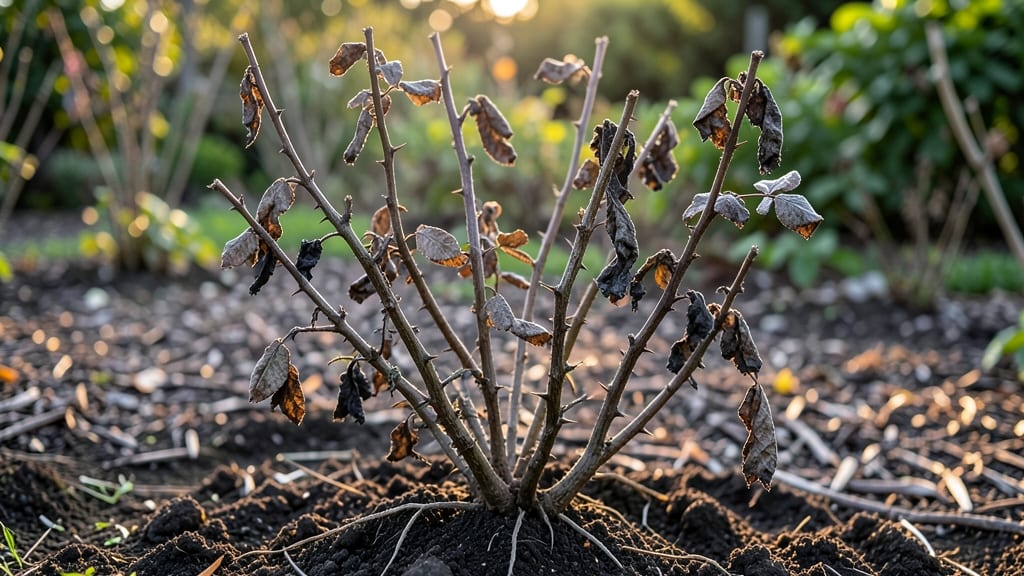
An unhealthy dead rose bush usually stems from watering issues, fungal infections like black spot, nutrient deficiencies, or pest damage. To revive it fast, trim dead growth, fix drainage problems, and feed it with balanced fertilizer.
Reviving a dying rose bush starts with identifying the root cause—whether it's soggy soil from overwatering or crispy leaves from underwatering. 🌿 Fungal diseases like black spot often appear as dark spots on leaves, while pests such as aphids cluster on new growth.
I’ve seen many cases where simply adjusting watering schedules and adding compost to the soil made all the difference within weeks. The key is acting quickly before the stress becomes permanent.
Once you’ve pinpointed the issue, pruning becomes your best tool. Cut back any blackened or diseased stems to just above a healthy bud, and always sterilize your pruners with rubbing alcohol between cuts. For nutrient deficiencies, a slow-release fertilizer with equal parts nitrogen, phosphorus, and potassium works wonders.
And if fungal infections are the culprit, a mix of baking soda and water (1 teaspoon per quart) sprayed on the leaves can stop the spread.
💡 In This Article
- Common Diseases and Pests Attacking Rose Bushes
- Step-by-Step Rose Bush Revival Guide
Common diseases and pests attacking rose bushes
Fungal infections like black spot and powdery mildew thrive in humid conditions, often appearing as dark, circular lesions on leaves or white, powdery coatings. Black spot, caused by the fungus Diplocarpon rosae, creates 1/4-inch dark spots with yellow halos that eventually kill leaf tissue.
Powdery mildew, on the other hand, looks like a dusting of flour and weakens the plant by blocking sunlight. Both spread rapidly when nighttime temperatures stay above 60°F and humidity exceeds 75%.
Bacterial diseases, like bacterial blight, produce water-soaked lesions that ooze yellow fluid and have irregular edges. These infections often enter through wounds caused by pruning or storms. Root rot, another silent killer, occurs when soil stays waterlogged for days, suffocating roots and turning them black or mushy.
You’ll notice wilting even when the soil feels damp—a classic sign of oxygen deprivation in the roots.
Pests like aphids and spider mites also sap energy from struggling bushes. Aphids cluster on new growth, leaving sticky honeydew that attracts mold, while spider mites create fine webbing between leaves and cause stippling (tiny white dots) that turn brown.
Both thrive in dry, hot conditions, so regular misting or a strong spray of water can deter them. 🌱 Early detection is key—check the undersides of leaves where pests hide.
Visual symptoms often overlap, so diagnose by combining observations: Are spots dark and circular (black spot)? Is there a white powder (mildew)? Or are leaves curling with webbing (mites)?
For bacterial issues, look for oozing lesions rather than dry spots. The sooner you identify the problem, the faster you can treat it before the entire bush declines.
Prevention starts with proper spacing between plants for airflow and avoiding overhead watering, which keeps foliage dry. Mulching with 2-3 inches of organic matter helps regulate soil moisture and temperature, reducing fungal growth.
If you’ve already spotted signs, act fast—fungicides with neem oil or copper-based solutions can halt spread, while insecticidal soap targets pests without harming beneficial insects.