
Pruning
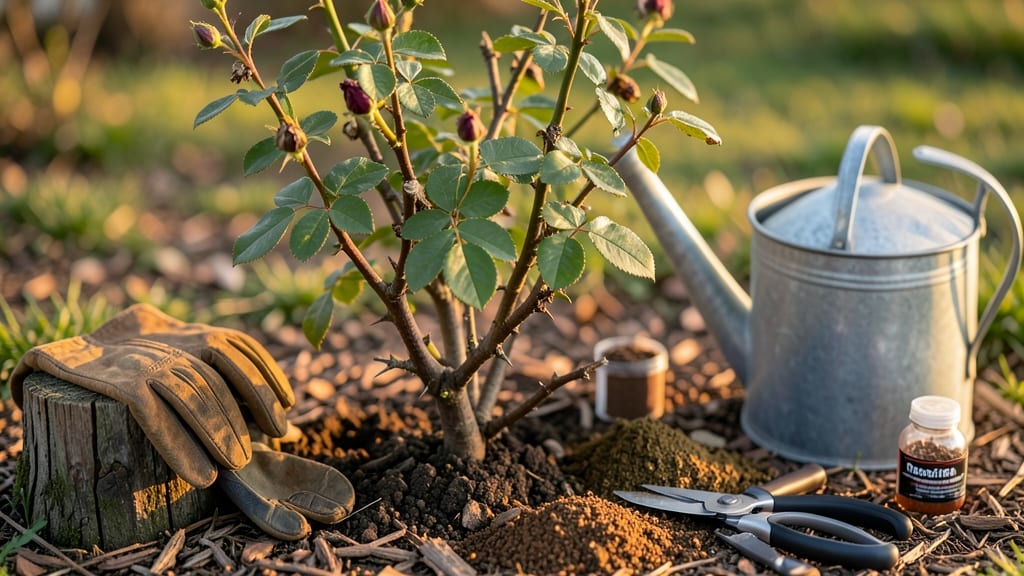
Bringing back a dead rose bush starts with a sharp pair of pruners and a skeptical eye—because sometimes "dead" just means dormant. 🌿 I've nursed more than a few back from the brink of giving up, and the first step is always the same: check for any signs of life.
A few green leaves or even a single bud means there's still hope, while blackened stems and hollow canes might mean it's time to start fresh.
The most common culprits are overwatering (which suffocates roots), pest infestations (like Japanese beetles or spider mites), or winter damage that weakens the plant before it even wakes up.
My first revival project was a rose bush I'd assumed was a goner after a harsh freeze—turns out, the roots were still alive, and with the right care, it came back stronger than ever.
You'll prune aggressively to remove dead wood, then inspect the soil for compaction or poor drainage. A balanced fertilizer and consistent watering (not drowning) can work wonders, but the real secret is patience—new growth takes time, and you might not see results for 4-6 weeks.
The payoff? A bush that not only survives but thrives, with blooms that make your neighbors green with envy.
If the roots are truly rotten or the damage is severe, don't hesitate to dig it up and start over. Sometimes the most "dead" rose bushes hide the best comeback stories—and the lessons learned make the next season even better.
Root Causes Of Rose Bush Decline
Before you can revive your rose bush, you need to identify why it’s struggling. Roses are resilient, but they’re also sensitive to environmental stress, disease, and poor care.
Below, we break down the most common reasons your rose bush might look "dead" when it’s actually just dormant or damaged—and how to spot the signs.
Roses hate soggy roots. When soil stays too wet for too long, it cuts off oxygen, leading to root rot—a fungal infection that kills roots and starves the plant. Signs include:
- Yellowing leaves (even if the soil is damp)
- Black or mushy stems at the base
- Slow or no regrowth after pruning
Why it happens: Phytophthora and Pythium fungi thrive in waterlogged soil, breaking down root cells. Even well-draining soil can compact over time, trapping moisture. Clay or heavy loam soils are especially risky unless amended with organic matter.
On the flip side, roses need consistent moisture—especially during blooming season. Without enough water, roots shrink, leaves wilt, and the bush goes into survival mode. Look for:
- Crispy, brown leaf edges (like paper)
- Stems that snap easily when bent
- No new growth despite warm weather
Why it happens: Roses have deep roots that need steady hydration. In drought, roots dry out and can’t absorb nutrients, leading to osmotic stress—where the plant loses turgor pressure and collapses. Mulch helps retain moisture, but if ignored, roots simply desiccate (dry out and die).
Fungal diseases like black spot, powdery mildew, and canker can defoliate a rose bush so severely it looks dead. Pests like Japanese beetles or aphids weaken the plant by feeding on sap. Key indicators:
- Dark spots on leaves (black spot)
- White powdery coating (mildew)
- Holes in leaves or chewed buds
- Sticky residue (honeydew) from aphids
Why it happens: Fungi spread via spores in wet conditions, while pests thrive in crowded, stressed plants. Black spot (Diplocarpon rosae) clogs leaf pores, preventing photosynthesis. Left unchecked, the bush exhausts its energy trying to fight the infection instead of growing.
Roses are hardy, but sudden freezes or harsh winters can kill buds, stems, or even roots. If your bush looks blackened or leathery after winter, it’s likely suffered:
- Bud dieback (no blooms in spring)
- Cracked or sun-scalded bark (white patches)
- Wilted canes that don’t bounce back
Why it happens: Water in plant cells expands when frozen, rupturing cell walls (cryogenic damage). Without mulch or winter protection, roots freeze, and the bush can’t uptake water in spring. Winter burn occurs when daytime sun heats the plant, causing moisture loss in frozen roots.
A rose bush needs a balanced diet of nitrogen (N), phosphorus (P), and potassium (K), plus micronutrients like iron and magnesium. Deficiencies show up as:
| Symptom | Likely Cause | What’s Missing? |
|---|---|---|
| Yellow leaves (new growth) | Nitrogen deficiency | N |
| Purple stems/leaves | Phosphorus deficiency | P |
| Brown leaf edges | Potassium deficiency | K |
| Yellow veins, green patches | Iron chlorosis (alkaline soil) | Fe (iron) |
Why it happens: Compacted or alkaline soil locks out nutrients. Roses prefer slightly acidic soil (pH 6.0–6.5). If your soil is too alkaline (pH >7.0), iron and manganese become unavailable, even if they’re present. Over-fertilizing with nitrogen can also burn roots, leading to nutrient imbalance.
💡 Pro Tip: Dig a small hole near the base of the bush and check the soil. If it smells sour or feels gummy, it’s waterlogged. If it’s dry and crumbly, it’s underwatered. A simple soil test kit can reveal pH and nutrient levels in minutes.
Revive Your Rose Bush Now
A dead rose bush isn’t always a lost cause—with the right steps, you can coax it back to life and even encourage new blooms. Below, we’ve mapped out practical fixes for the most common causes of decline, along with prevention tips to keep your roses thriving.
Let’s get your bush back on track!
Symptoms: Yellowing leaves, mushy stems, or roots that smell foul. Why it happens: Soggy soil cuts off oxygen, drowning roots and inviting fungal diseases.
How to fix it: 🔥 Step 1: Stop Watering Immediately – Let the soil dry out completely before watering again. 🍳 Step 2: Improve Drainage – Dig around the base to loosen compacted soil. Mix in perlite, sand, or compost (50/50 with existing soil) to aerate roots. 👨🍳 Step 3: Prune Damaged Canes – Use sterilized pruners to cut back any blackened, mushy, or soft stems 6 inches below the affected area. 🥘 Step 4: Repot or Replant (If Needed) – If the soil is severely waterlogged, transfer the bush to a well-draining raised bed or container with fresh potting mix.
💡 Prevention Tip:
- Test your soil with a moisture meter before watering—roses prefer soil that’s damp but not soggy.
- Water deeply but infrequently (1–2 inches per week, depending on climate) and always water at the base, not overhead.
Symptoms: Crispy, brown edges on leaves, wilting despite moist soil, or stems that snap easily.
How to fix it: 🔥 Step 1: Deep Watering Rescue – Soak the soil 6–8 inches deep with a slow drip irrigation or hose, letting it absorb fully. Repeat every 2–3 days until leaves perk up. 🍳 Step 2: Mulch Like a Pro – Spread 2–3 inches of organic mulch (wood chips, straw) around the base to retain moisture and cool roots. 👨🍳 Step 3: Provide Afternoon Shade – If temperatures exceed 90°F (32°C), use shade cloth (30–50%) or move potted roses to a cooler spot for 2–3 weeks. 🥘 Step 4: Trim Sun-Scorched Leaves – Snip off crispy, brown leaves to redirect energy to healthier growth.
💡 Prevention Tip:
- Water in the early morning to reduce evaporation.
- Group roses with other plants to create a microclimate that retains humidity.
Symptoms: Black spots on leaves, powdery white residue, sawdust-like frass (insect droppings), or holes in foliage.
How to fix it: 🔥 Step 1: Prune Infected Parts – Remove all diseased leaves, canes, and debris within 3 feet of the bush (fungi spread fast!). Dispose of clippings in the trash, not compost. 🍳 Step 2: Spray with Fungicide – Use a copper-based fungicide (for black spot) or neem oil (for powdery mildew). Apply every 7–10 days until symptoms disappear. 👨🍳 Step 3: Introduce Beneficial Insects – For pests like aphids or spider mites, release ladybugs or lacewings or spray with insecticidal soap. 🥘 Step 4: Boost Plant Immunity – Feed with a balanced fertilizer (10-10-10) or compost tea to strengthen recovery.
💡 Prevention Tip:
- Water at the base (not overhead) to keep leaves dry.
- Space roses 3–4 feet apart for airflow—fungi thrive in humid, stagnant conditions.
Symptoms: Pale yellow leaves (nitrogen deficiency), purple stems (phosphorus lack), or weak, spindly growth (potassium shortage).
How to fix it: 🔥 Step 1: Test Your Soil – Use a DIY soil test kit (available at garden centers) to identify deficiencies. 🍳 Step 2: Apply the Right Fertilizer
- For nitrogen (green leaves): Use alfalfa meal or blood meal.
- For blooms (phosphorus): Try bone meal or fish emulsion.
- For root strength (potassium): Add wood ash or kelp meal.
👨🍳 Step 3: Feed in Stages – Apply half-strength fertilizer every 4–6 weeks during growing season (spring–fall). 🥘 Step 4: Compost Top-Dressing – Spread 1–2 inches of compost around the base (but not touching stems) to improve soil gradually.
💡 Prevention Tip:
- Avoid over-fertilizing—roses prefer moderate feeding over heavy doses.
- Use slow-release fertilizers (like rose-specific granules) to avoid nutrient spikes.
Symptoms: No new growth, stems falling over easily, or roots that pull out like spaghetti when gently tugged.
How to fix it: 🔥 Step 1: Dig Carefully – Gently excavate the root ball to inspect. Healthy roots are white or light tan; dead roots are black, mushy, or hollow. 🍳 Step 2: Prune Dead Roots – Use sterilized shears to trim away rotted or shriveled roots. Keep only firm, flexible roots. 👨🍳 Step 3: Divide the Bush (If Overcrowded) – If roots are tangled, separate into smaller sections with 3–5 canes each and replant. 🥘 Step 4: Repot or Replant – Place the bush in fresh, well-draining soil and water lightly for the first week to avoid stress.
💡 Prevention Tip:
- Avoid digging near roots unless necessary—roses have deep, sensitive root systems.
- Mulch heavily in winter to protect roots from freeze-thaw cycles.
Final Pro Tip: 🌟 Patience is key! Reviving a rose bush takes 4–8 weeks—monitor progress, adjust care as needed, and soon, you’ll see new buds and vibrant blooms again. Happy gardening!
Frequently asked questions
How do I know if my rose bush is truly dead or just dormant?
Check for any signs of life! Scratch the bark gently—if you see green under the surface or feel slight resistance, the bush may still be alive. Look for small buds at the base of canes or new shoots emerging from the soil. If you find even one green leaf or bud, there's hope. If the entire plant is brittle, blackened, and smells foul, it's likely beyond revival.
Can I revive a rose bush that's been dead for months?
It depends on the cause. If the roots are still intact (white or light tan when checked), you have a chance—especially if winter damage was the issue. For older decline, dig up the roots to inspect: healthy roots should be firm, not mushy or hollow. If roots are completely rotted, you'll need to start fresh with new cuttings or a replacement plant.
What's the fastest way to tell if my rose bush has root rot?
Look for these red flags: blackened stems at the base, yellow leaves despite moist soil, and a foul smell when you dig near the roots. Gently tug on the stems—if they pull out easily, that's a strong sign of root rot. The soil may also feel gummy or waterlogged. Act fast by improving drainage and pruning affected areas immediately.
Should I prune a rose bush that looks completely dead?
Yes! Even if it looks dead, prune back 1/3 of the canes to encourage new growth. Cut just above an outward-facing bud or branch. This reduces stress on the plant and allows energy to focus on any surviving roots. If you see no new growth after 6 weeks, then it's time to consider replacing the bush.
How often should I water a revived rose bush?
Water deeply 1-2 times per week during growing season, providing about 1-2 inches of water each time. The key is consistency—let the top 2 inches of soil dry out between waterings. In extreme heat, you may need to water every 2-3 days, but always check soil moisture first by sticking your finger 2 inches deep.