
Pests and Diseases
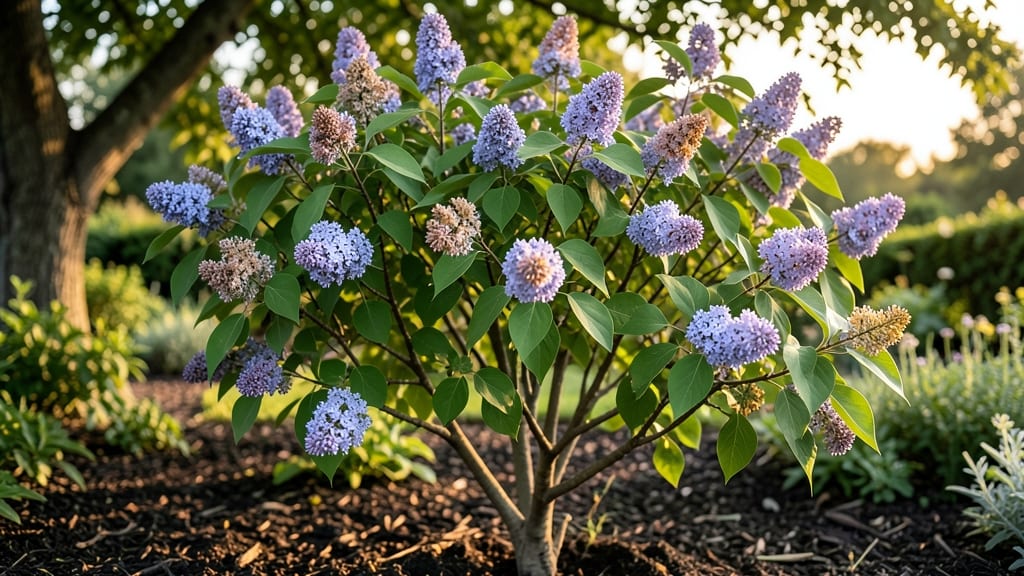
Brown leaves on lilac bushes mean your plant is crying out for help—often from fungal blight or simple care mistakes. 🌿 I’ve seen this happen after a wet spring or when pruning goes wrong, and the good news is most cases are fixable without harsh chemicals.
The culprits usually include powdery mildew, overwatering, or poor air circulation—all of which create the perfect storm for leaf browning. Lilacs are tough, but they need the right balance of sunlight, water, and pruning timing to bounce back strong.
With the right organic treatments and a few simple adjustments, you’ll see fresh green leaves within weeks. I’ll walk you through diagnosing the exact problem and restoring your bush to full, fragrant glory.
This works for both new and established lilacs, and the methods are gentle enough for pets and kids. Let’s get your bush thriving again!
Root Causes Of Browning Lilac Leaves
When your lilac bush starts showing brown, crispy, or yellowing leaves, it’s often a clear signal that something’s amiss. Lilacs are hardy plants, but they’re not immune to stress, pests, or diseases.
Understanding the why behind these symptoms is the first step toward reviving your bush. Below, we break down the most common culprits—each with a scientific twist—and what they mean for your plant’s health.
Lilacs thrive in cool to moderate climates, and when temperatures soar or drought sets in, their leaves can turn brown as a survival mechanism. Here’s the science:
- Heat Stress: High daytime temperatures (above 90°F/32°C) can cause oxidative damage in leaves, leading to browning. Lilacs also lose moisture faster in dry air, triggering abscission (the plant’s way of shedding damaged leaves).
- Drought: Lilacs have shallow roots and are sensitive to water deficit. When soil moisture drops below 30%, cells in the leaf margins start to plasmolyze (shrink due to water loss), causing crispy, brown edges. Wilting followed by browning is a classic sign.
- Sun Scorch: If your lilac is suddenly exposed to intense afternoon sun (e.g., after pruning nearby trees), the leaves can overheat. This causes chlorophyll breakdown, turning leaves brown in sun-exposed areas while the undersides stay green.
💡 Pro Tip: Mulch with 2–4 inches of organic matter (like wood chips or straw) to retain moisture and regulate soil temperature. Water deeply 1–2 times per week during dry spells, aiming for 1–1.5 inches of water per week.
Fungi thrive in humid, stagnant conditions and can turn lilac leaves brown in patches or entirely. Two common offenders:
🍄 Powdery Mildew: The White Fuzz That Turns Brown
This obligate parasite (it can’t survive without a host) forms a white, powdery coating on leaves, which later turns brown and necrotic.
- How it spreads: Spores germinate in temperatures between 60–80°F (15–27°C) and high humidity (>75%). It weakens the leaf’s cuticle (waxy outer layer), blocking sunlight and causing photosynthesis failure.
- Tell-tale signs: Brown, crinkled leaves with a white dusting underneath. Severe cases lead to premature leaf drop.
🍄 Anthracnose: The Spotty Brown Menace
A more aggressive fungus that causes dark, sunken lesions with yellow halos, eventually turning leaves brown and brittle.
- Why it’s worse: Anthracnose infects through wounds (like pruning cuts) and thrives in wet, shady conditions. It can overwinter in dead leaves, reinfecting your bush year after year.
- Red flag: Brown, ragged leaf edges with black fruiting bodies (tiny dots) on the underside.
💡 Pro Tip: Prevent fungal spread by:
- ✅ Watering at the base (avoid overhead spraying).
- ✅ Pruning in dry weather and sterilizing tools with 70% isopropyl alcohol.
- ✅ Removing fallen leaves and disposing of them in the trash (not compost).
Insects can directly damage leaves or transmit diseases that cause browning. Here’s who’s likely guilty:
🐜 Spider Mites: The Tiny Vampires
These microscopic pests pierce leaves to feed on sap, causing:
- Stippling: Tiny yellow or brown dots (from cell death) that expand into bronze or necrotic patches.
- Webbing: Look for fine silk strands on the undersides of leaves in severe infestations.
Why they’re tricky: They thrive in dry, hot conditions and reproduce rapidly (20 eggs per female!). Their saliva contains toxic enzymes that disrupt the leaf’s chloroplasts, turning it brown.
🐛 Japanese Beetles: The Leaf Skeletons
Adult beetles devour lilac leaves, leaving behind a lacy, brown skeleton.
- Larvae (grubs) vs. adults: Grubs feed on roots (weakening the plant), while adults defoliate leaves, causing rapid browning.
- Signs of infestation: Irregular brown holes and shiny green beetles (½ inch long) on the foliage.
💡 Pro Tip: Disrupt their life cycle by:
- 🕷️ Handpicking beetles into soapy water (morning hours when they’re sluggish).
- 🌿 Encouraging natural predators like birds, parasitic wasps, and tachinid flies.
- 🚫 Avoid broad-spectrum pesticides—they kill beneficial insects too!
Lilacs are light feeders, but poor soil can lead to browning from nutrient starvation. The most common deficiencies:
💧 Chlorosis: The Yellow-Brown Clue
If leaves turn yellow between veins before browning, it’s often a magnesium or iron deficiency.
- Magnesium (Mg) deficiency: Causes interveinal chlorosis (yellowing between veins) that progresses to brown, dead patches. Lilacs need Mg for chlorophyll production.
- Iron (Fe) deficiency: Leads to yellowing of new growth (especially on young leaves), which can crisp and brown if untreated.
🌿 Nitrogen Burn: Too Much of a Good Thing
Over-fertilizing with high-nitrogen products can scorch leaves, turning them brown at the tips.
- Why it happens: Excess nitrogen disrupts water uptake, causing osmotic stress in leaf cells. The edges curl
Revive Your Lilac Bush Naturally
Seeing brown leaves on your once-vibrant lilac bush can feel like a gut punch—especially when you’ve nurtured it with care. But don’t toss in the trowel just yet! The good news is that most causes of browning leaves (from fungal infections to environmental stress) have simple, organic fixes.
Below, we’ve mapped out targeted solutions based on the root cause, plus proactive steps to keep your lilac bush lush and healthy for years to come. 🌿✨
If your lilac leaves are covered in a fuzzy white coating or dark, crinkled spots, fungal blight or powdery mildew is likely the culprit. These issues thrive in humid, shaded conditions, but you can kick them to the curb with these steps:
🔪 Step 1: Remove the Problem
- Prune aggressively: Use clean, sharp pruners to snip off all infected branches—including the brown leaves and any nearby healthy-looking foliage that might be compromised. Dispose of the clippings in the trash (not your compost bin!).
- Focus on airflow: Thin out dense growth to improve air circulation around the bush. Aim for an open, airy structure.
💧 Step 2: Treat with Organic Fungicides
- Baking soda spray: Mix 1 tablespoon of baking soda, 1 tablespoon of vegetable oil, and a drop of dish soap into 1 gallon of water. Spray the solution on the lilac bush early in the morning to avoid burning leaves. Reapply every 7–10 days until the issue clears.
- Neem oil: A natural antifungal, neem oil disrupts fungal spores. Combine 1 tablespoon of neem oil with 1 teaspoon of mild soap and 1 quart of water. Spray thoroughly, focusing on the undersides of leaves where fungi love to hide.
🌡️ Step 3: Adjust Growing Conditions
- Morning sun, afternoon shade: Lilacs need 6–8 hours of sunlight daily but can scorch in intense afternoon heat. If your bush is in a hot, sunny spot, provide afternoon shade with a sheer fabric or nearby taller plants.
- Water at the roots: Avoid wetting the leaves when watering. Use a soaker hose or drip irrigation to deliver moisture directly to the soil, keeping the foliage dry.
💡 Prevention Tip
Plant lilacs in well-draining soil and space them 6–10 feet apart to minimize humidity buildup. If your garden is prone to fungal issues, consider adding companion plants like lavender or rosemary, which naturally deter fungi.
If the browning appears as crispy, dry edges or bleached patches—especially in hot weather—your lilac is likely suffering from heat or sun stress. These plants are hardy but can wilt under extreme conditions. Here’s how to cool them down:
💦 Step 1: Deep Watering
- Water deeply 2–3 times per week: Lilacs have deep roots, so aim for 1–1.5 inches of water per week. Use a moisture meter to check soil depth (4–6 inches down) or the "squeeze test"—if the soil feels dry, it’s time to water.
- Mulch like a pro: Apply 2–3 inches of organic mulch (like shredded bark or straw) around the base of the bush, keeping it away from the trunk. Mulch retains moisture and regulates soil temperature.
🌳 Step 2: Provide Shade Relief
- Temporary shade cloth: If your lilac is in a scorching spot, drape a 30–50% shade cloth over it during peak afternoon heat (12–4 PM). Remove it in cooler months to allow full sun.
- Strategic planting: If possible, relocate the bush to a spot with morning sun and afternoon shade. East-facing locations are ideal.
⏰ Step 3: Avoid Midday Chores
- Prune or fertilize in early spring or fall: Lilacs are sensitive to stress, so avoid heavy pruning or feeding during heatwaves. If you must fertilize, use a balanced, slow-release organic fertilizer (like 10-10-10) in early spring.
💡 Prevention Tip
Group lilacs with drought-tolerant plants like coneflowers or sedum to create a microclimate that retains moisture. Drip irrigation systems are a game-changer for hot climates—set them on a timer to deliver consistent water without waste.
Chewing insects like aphids, spider mites, or Japanese beetles can turn lilac leaves brown and skeletonized. Here’s how to evict these pests without harsh chemicals:
🐛 Step 1: Inspect & Isolate
- Look for signs: Check the undersides of leaves for tiny webs (spider mites), sticky residue (aphids), or chewed holes (beetles). Early detection = easier treatment.
- Quarantine affected branches: If pests are concentrated on one area, prune and dispose of those branches immediately.
🍳 Step 2: Homemade Pest Repellents
- Soap spray: Mix 1 tablespoon of mild liquid soap (like Castile soap) with 1 quart of water. Spray directly on pests—this suffocates them without harming the plant. Reapply every 3–5 days.
- Neem oil (again!): Spray neem oil on both leaf surfaces to disrupt the life cycle of pests. For stubborn beetles, add a few drops of hot pepper wax (1 tablespoon cayenne pepper + 1 cup water + 1 tablespoon vegetable oil) to the mix.
- Beneficial insects: Release ladybugs, lacewings, or parasitic wasps (available at garden centers) to prey on aphids and mites. Time it right—release them in the early evening when they’re most active.
🌟 Step 3: Physical Barriers
- Row covers: For Japanese beetles, drape fine netting over the bush during peak feeding hours (late morning to early afternoon). Secure the edges tightly to block access.
- Sticky traps: Place yellow sticky traps near the lilac to catch flying pests like whiteflies or aphids. Check and replace them weekly.
💡 Prevention Tip
Plant pest-repelling herbs like thyme, mint, or catnip around your lilac bush to deter insects naturally. Avoid over-fertilizing with nitrogen, which attracts soft-bodied pests like aphids.
Yellowing or brown leaves with visible veins (a sign of iron or magnesium deficiency) or slow growth (nitrogen deficiency) mean your lilac needs a nutrient boost. Organic solutions are the way to go:
📊 Step 1: Soil Test First
- DIY test: Purchase a home soil test kit (like those from Luster Leaf) to check pH and nutrient levels. Lilacs prefer slightly alkaline soil (pH 6.5–7.5).
- Adjust pH if needed: If your soil is too acidic, mix in crushed limestone (1–2 pounds per bush). For alkaline soil, add sulfur or peat moss.
🍎 Step 2: Organic Fertilizers
- Compost tea: Brew a batch of compost tea (steep compost in water for 24–48 hours, then strain) and use it to water your lilac. This adds microbes and trace minerals.
- Epsom salt: For magnesium deficiency, dissolve 1 tablespoon of Epsom salt in 1 gallon of water and spray it on the leaves. Do this every 4–6 weeks during the growing season.
- Fish emulsion: A nitrogen-rich organic fertilizer, fish emulsion (diluted to 1–2 tablespoons per gallon of water) can revive growth. Apply in early spring and after flowering.
💡 Prevention Tip
Top-dress your lilac with well-aged compost every spring to replenish nutrients gradually. Avoid synthetic fertilizers, which can disrupt the soil microbiome and lead to deficiencies over time.
With these targeted fixes, your
Frequently asked questions
Why do lilac leaves turn brown in spots but stay green elsewhere?
This is often a sign of fungal infection like powdery mildew or anthracnose, which targets specific leaf areas while sparing others. Check for white powdery coatings or dark sunken spots with yellow halos. These fungi thrive in humid conditions and spread through wounds or crowded foliage.
Can I prune brown leaves off my lilac bush?
Yes, but do it carefully! Remove only the fully brown, crispy leaves—never prune healthy green growth. Use clean, sharp pruners and dispose of infected leaves in the trash (not compost). For fungal issues, sterilize your tools with 70% isopropyl alcohol between cuts to prevent spreading spores.
How often should I water a lilac bush to prevent browning?
Water deeply 1-2 times per week during dry spells, aiming for 1-1.5 inches of water total. Lilacs hate soggy soil but also dry conditions—check soil moisture by digging 2-3 inches down. Mulch with 2-3 inches of organic matter to retain moisture and regulate temperature.
Will Epsom salt help my lilac's brown leaves?
Only if the browning stems from magnesium deficiency (yellowing between veins). Mix 1 tablespoon Epsom salt per gallon of water and spray on leaves every 4-6 weeks during growing season. For other causes like fungal issues or pests, Epsom salt won't help—focus on targeted treatments instead.
Is it too late to save my lilac if most leaves are brown?
Not necessarily! If the branches are still green underneath and the bush isn't completely dormant, it can recover. Focus on removing dead leaves, improving airflow, and adjusting watering. For severe cases, apply neem oil (for fungi/pests) and mulch heavily. Lilacs are resilient—with proper care, new growth often emerges within 4-6 weeks.