
Pruning
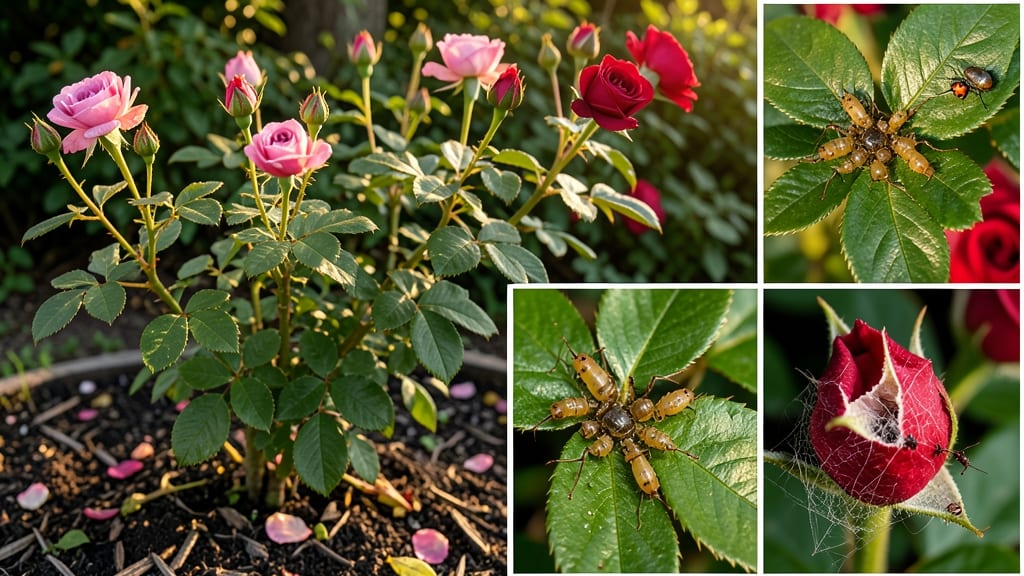
Seeing rose bush pests in pictures? Those tiny invaders can turn your prized bushes into skeleton leaves overnight—until you know exactly what you're dealing with. This guide shows you the most common rose pests through images, so you can spot them before they ruin your blooms.
Japanese beetles chew through petals, aphids cluster like cotton balls on new growth, and spider mites create webbing that looks like dusty lace. Each pest leaves distinct damage: holes, curled leaves, or sticky residue called honeydew. The sooner you identify them, the easier they are to control.
You'll learn natural fixes like neem oil sprays and insecticidal soap that work fast, plus prevention tips to keep pests away for good. No more guessing—just clear pictures and step-by-step solutions to save your roses.
Works for hybrid teas, floribundas, and climbing varieties alike. Whether you're dealing with a single leaf or a full-blown infestation, this is your go-to guide for healthy, thriving roses all season long.
Root Causes of Rose Pests
Rose bushes are stunning additions to any garden, but their delicate blooms and tender foliage make them prime targets for pests. Understanding why these critters invade your roses is the first step to preventing and controlling them. Let’s break down the science behind the most common culprits and their motivations.
Pests thrive in environments where roses are stressed or overcrowded. When bushes grow too close together, airflow is restricted, creating a damp, humid microclimate—perfect for fungal diseases and insect infestations like aphids and Japanese beetles.
Poor pruning habits (leaving dead wood, over-trimming, or neglecting hygiene) also invite pests by weakening the plant’s natural defenses.
Why it happens:
- Lack of sunlight: Dense foliage blocks light, making roses more susceptible to spider mites and rose slugs, which prefer shaded, moist conditions.
- Debris buildup: Old leaves, mulch, and fallen petals create hiding spots for rose chafers and scale insects, which lay eggs in organic matter.
- Weakened immunity: Stressed roses (from drought, overwatering, or nutrient deficiencies) produce fewer defensive compounds like tannins, making them easier prey.
Actionable fix: Prune regularly to improve airflow, remove debris, and space bushes 3–4 feet apart for optimal sunlight exposure.
Pests are opportunistic—they strike when roses are most vulnerable. For example, aphids explode in populations during warm springs, while rose sawfly larvae prefer the cooler, wet conditions of early summer. Extreme weather (drought, heatwaves, or sudden cold snaps) also stresses roses, making them more attractive to pests.
Why it happens:
- Rapid new growth: Soft, tender shoots (common after pruning or in spring) are a buffet for Japanese beetles and leafcutter bees, which feed on leaves and petals.
- Humidity spikes: Fungal-loving pests like black spot (caused by the fungus Diplocarpon rosae) spread faster when nights are damp and days are warm.
- Winter survivors: Some pests, like rose gall wasps, overwinter in buds or bark, emerging as soon as temperatures rise.
Actionable fix: Monitor roses during spring and fall (peak pest activity periods) and use row covers or neem oil as a preventive barrier.
Roses aren’t just pretty—they’re a magnet for pests because of their sugary sap, fragrant oils, and soft tissues. Many insects are drawn to roses for food, shelter, or reproduction. For instance:
Why it happens:
| Pest | Why They Target Roses | Scientific Trigger |
|---|---|---|
| Aphids | Suck sap from new shoots and buds. | Attracted to high sugar content in phloem sap and volatile organic compounds (VOCs) released by stressed plants. |
| Japanese Beetles | Devour petals, leaves, and flowers. | Lured by rose scent (geraniol and citronellol) and UV-reflective petals, which mimic their natural food sources. |
| Scale Insects | Attach to stems and leaves, draining nutrients. | Prefer sticky, waxy surfaces of rose bark and the lack of natural predators in dense foliage. |
| Spider Mites | Pierce cells, causing stippling and webbing. | Thrive in low humidity and high temperatures, which increase their reproduction rate on drought-stressed roses. |
Actionable fix: Choose disease-resistant rose varieties (e.g., ‘Knock Out’ roses) and avoid over-fertilizing with nitrogen, which encourages soft, pest-loving growth.
In a healthy garden, pests are kept in check by natural predators like ladybugs, lacewings, and parasitic wasps. However, if your garden lacks biodiversity (e.g., no companion plants, monoculture rose beds, or heavy pesticide use), pests can multiply unchecked.
Why it happens:
- Monoculture planting: Large groups of roses with no diversity attract specialized pests (e.g., rose midge) that thrive in uniform environments.
- Pesticide overuse: Broad-spectrum chemicals kill beneficial insects (like ground beetles), leaving roses defenseless.
- Lack of pollinator-friendly plants: Without flowers for bees and hoverflies, their larvae (which eat aphids) disappear, allowing pest populations to boom.
Actionable fix: Plant companion flowers (e.g., marigolds, alyssum, or dill) to attract predator insects and avoid synthetic pesticides in favor of biological controls.
Sometimes, pests hitch a ride into your garden on you. Unwashed tools, contaminated soil, or even wind-blown debris from neighboring gardens can introduce infestations. For example:
- Rose rosette virus spreads via leafhopper insects that travel on clothing or tools.
- Scale insects can be carried in potting soil or mulch from infested plants.
- Japanese beetle grubs migrate from lawns to rose beds during rainy seasons.
Actionable fix: Sanitize pruners with rubbing alcohol between cuts, quarantine new plants for 2 weeks, and inspect neighboring gardens for signs of pests before they spread.
Quick Fixes for Rose Bush Pests
Once you’ve identified the culprits wreaking havoc on your rose bushes, it’s time to act! 🚀 Here’s a practical, step-by-step guide to tackle the most common pests—whether they’re munching leaves, sucking sap, or burrowing underground.
Each solution is designed to be effective, easy, and eco-friendly where possible, so you can restore your roses to their full, thorny glory.
---
Signs: Clusters of sticky, curled leaves; black sooty mold; ants (their "bodyguards").
#### How to Treat It 1. Blast Them Away 💦 - Spray aphids directly with a strong stream of water from your hose. This dislodges them without chemicals. Repeat every 2–3 days until gone.
2. Soap Up the Trouble 🧼 - Mix 1 tbsp mild dish soap + 1 quart water in a spray bottle. Test on a small leaf first, then spray all surfaces (top and bottom) of infested foliage. Reapply after rain.
3. Introduce Beneficial Predators 🐞 - Ladybugs, lacewings, and parasitic wasps love aphids. Buy them online or attract them with neighboring pollinator-friendly plants (like dill or marigolds).
#### Prevention Tips 🌱 - Encourage airflow by pruning dense growth—aphids thrive in humid, sheltered spots. - Plant garlic or chives nearby—their scent repels aphids naturally. - Inspect new plants before adding them to your garden to avoid hitchhiking pests.
---
Signs: Irregular holes in leaves; chewed petals; shiny green-and-copper beetles feasting at dawn/dusk.
#### How to Treat It 1. Handpick the Invaders 👨🍳 - Drop them into soapy water (they drown instantly). Do this early morning when they’re sluggish.
2. Neem Oil Spray 🌿 - Mix 2 tbsp neem oil + 1 tsp mild soap + 1 quart water. Spray every 5–7 days until beetles disappear. Avoid spraying on blooms to protect pollinators.
3. Milky Spore or Beetle Traps 🎣 - Apply milky spore powder (a natural bacteria) to soil to reduce grubs long-term. Warning: Traps can attract more beetles—use with caution!
#### Prevention Tips 🛡️ - Cover young plants with floating row covers until blooming. - Avoid broadleaf plants (like roses) near grub-prone lawns—beetles emerge from soil. - Plant trap crops like marigolds or cosmos to lure beetles away from your roses.
---
Signs: Tiny yellow/white specks on leaves; fine webbing; leaves turn bronze or stippled.
#### How to Treat It 1. Rinse Them Off 💦 - Spray infested plants with cool water (mites hate humidity). Do this twice a week for 2 weeks.
2. Horticultural Oil 🛢️ - Use dormant oil spray (apply before buds open in early spring) or summer oil (safer for blooms). Follow label rates—overuse can harm plants.
3. Predatory Mites 🕷️ - Release persimilis or amblyseius mites (sold online). They only eat spider mites—no harm to your roses!
#### Prevention Tips 🌡️ - Water deeply and regularly—mites thrive in dry, dusty conditions. - Prune for airflow—mites love crowded, shaded areas. - Avoid over-fertilizing—high nitrogen = softer leaves = mite buffet.
---
Signs: Skeletonized leaves (only veins remain); black sawfly larvae; rose slugs (green, translucent, with tiny legs).
#### How to Treat It 1. Pick Them Off 🕵️♂️ - Drop larvae into soapy water or crush them (wear gloves—they sting if handled!).
2. Bacillus thuringiensis (Bt) 🦠 - Spray Bt kurstaki (a natural bacteria) on leaves. It’s safe for humans/pets but kills larvae within days.
3. Neem Oil or Insecticidal Soap 🧴 - Apply neem oil or insecticidal soap directly to larvae. Reapply after rain.
#### Prevention Tips 🛡️ - Remove leaf litter around bushes—larvae pupate in soil. - Plant mint or tansy nearby—their scent deters sawflies. - Prune in early spring to remove overwintering eggs.
---
Signs: Wilting, yellowing leaves; sawdust-like frass near stems; squirting larvae when stems are cut.
#### How to Treat It 1. Hand-Dig & Drown 🕳️ - Gently pry open soil near the base with a trowel. Drop grubs into soapy water.
2. Beneficial Nematodes 🐛💥 - Apply heterorhabditis bacteriophora nematodes to soil. They seek out and kill grubs naturally.
3. Systemic Insecticide (Last Resort) 💉 - Use imidacloprid granules (follow label) only if infestation is severe. Note: Overuse harms pollinators.
#### Prevention Tips 🏗️ - Mulch with cedar or pine—their scent repels grubs. - Avoid overwatering—grubs love soggy soil. - Rotate plants—don’t replant roses in the same spot yearly.
--- ✅ Inspect weekly—catch pests early before they multiply. ✅ Prune properly—remove dead/diseased wood (pests hide there!). ✅ Clean up fallen leaves/debris—pests overwinter in garden waste. ✅ Encourage biodiversity—birds, lizards, and predatory insects keep pests in check. ✅ Use reflective mulch (like aluminum foil) around bushes—disorients flying pests.
--- Pro Tip: 💡 Rotate your pest control methods—don’t rely on one solution long-term. Pests adapt fast! Mix physical removal, natural predators, and organic sprays for the best results. Your roses will thank you with vibrant blooms and lush foliage in no time!
Frequently asked questions
What are the most common rose bush pests I should look for in pictures?
The top 5 pests to identify include aphids (tiny green/black clusters on new growth), Japanese beetles (shiny green-and-copper beetles), spider mites (fine webbing + stippled leaves), rose slugs (green, translucent larvae), and scale insects (brown bumps on stems). Each leaves distinct damage patterns visible in close-up images.
How do I know if my rose bush has a pest problem from just looking at pictures?
Check for these visual clues: holes in leaves (beetles), sticky residue (aphid honeydew), webbing (spider mites), or curled/browned leaves. Compare your photos to labeled pest galleries online—many pests have unique signatures like skeletonized leaves (sawfly larvae) or black spots with yellow halos (black spot fungus).
Can I use the same treatment for all rose bush pests?
No—each pest requires different approaches. Aphids respond to soapy water or neem oil, while Japanese beetles need handpicking or milky spore. Spider mites hate humidity (water spray helps), but scale insects require scraping or horticultural oil. Always match the treatment to the pest's life cycle and damage type.
What's the fastest way to get rid of pests if my roses are already heavily infested?
Start with a 3-step emergency approach: 1) Prune and dispose of heavily infested leaves (don't compost them!), 2) Apply neem oil spray (covers multiple pests), and 3) Introduce beneficial predators like ladybugs or predatory mites. For severe cases, use Bacillus thuringiensis (Bt) for larvae or kaolin clay as a physical barrier. Act within 48 hours for best results.
Will my roses recover if I treat the pests late in the season?
Yes, but recovery depends on the pest and how much damage occurred. Early treatments (spring/summer) give roses time to regrow foliage, while late-season pests may only cause cosmetic damage. Focus on preventing overwintering by cleaning up debris and applying dormant oil in fall. Next year's growth will be healthier if you break the pest cycle early.