
Aphids
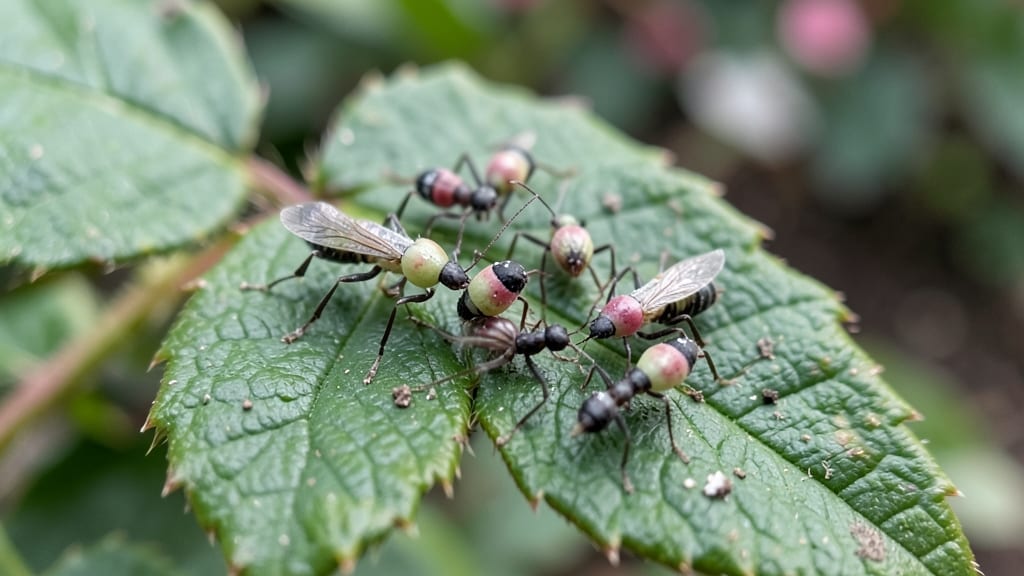
Neem oil spray is the fastest way to wipe out aphids on roses without harming your plants or pollinators. 🌿 I’ve battled these sap-sucking pests for years, and this one simple spray—made from organic ingredients—has saved my bushes every time.
The key isn’t just spraying; it’s timing, concentration, and knowing when to reapply for maximum impact.
Most gardeners reach for harsh chemicals first, but that’s a mistake. Aphids multiply like crazy, and synthetic sprays often kill beneficial insects that actually help control them. Neem oil disrupts their life cycle while being safe for bees, ladybugs, and other garden allies.
You’ll see results within 24-48 hours—tiny aphids dropping like flies and new growth emerging cleaner than ever.
Here’s the game-changer: this isn’t a one-and-done fix. I’ll show you how to mix it right, spray at the perfect time of day, and even use it as a preventive measure.
By the end, you’ll have aphid-free roses that bloom heavier and longer than ever before—no more sticky leaves or curled buds.
Whether you’re dealing with a full-blown infestation or just want to stay ahead, this method works for all rose types, from hybrid teas to climbers. Let’s get those bushes back to their showstopping best—without the guesswork.
The Hidden Triggers Inviting Aphids
Aphids may seem like unwelcome guests, but they’re drawn to rose bushes by a mix of environmental cues, plant vulnerabilities, and even human habits. Understanding these triggers helps you disrupt their cycle before they take over.
Here’s why your roses become a buffet for these tiny pests—and how to outsmart them.
---
Aphids thrive where roses are struggling. When your plants are under stress, their natural defenses weaken, making them easier prey. Here’s what makes your roses vulnerable:
- Poor Nutrition 📊 Roses deprived of essential nutrients—especially nitrogen (for leaf growth) and phosphorus (for root strength)—produce softer, more tender shoots. Aphids love these because they’re easier to pierce with their mouthparts.
A quick soil test can reveal deficiencies, but even a balanced fertilizer like 10-10-10 can help fortify your plants.
- Overcrowding & Poor Airflow 🌿 Dense foliage traps moisture and blocks sunlight, creating a humid microclimate that aphids adore.
Without airflow, roses can’t dry out quickly after rain, and aphids multiply faster in damp conditions. Prune aggressively to open up the bush—aim for 1/3 of the plant’s volume in early spring to encourage airflow and sunlight penetration.
- Disease or Pest Damage 🦟 If your roses are already battling powdery mildew, black spot, or spider mites, they’re more likely to attract aphids.
Damaged leaves release volatile organic compounds (VOCs) that signal distress to other pests, including aphids. Act fast: Treat fungal issues with neem oil (1%) or baking soda spray (1 tbsp + 1 quart water + a drop of soap), and isolate heavily infested plants to prevent cross-contamination.
---
Aphids are phloem feeders, meaning they suck out the sugary sap from rose stems and leaves. Some roses are naturally more appealing because of their high sugar content or thin cell walls. Here’s why your bushes might be aphid magnets:
- New Growth is a Buffet 🌱 Aphids prefer tender, new shoots over mature leaves because they’re richer in sugars and easier to penetrate.
If you’ve been pruning heavily or fertilizing with high-nitrogen feeds (like fish emulsion), you’re essentially inviting aphids to a sugar rush. Solution: Prune in early spring (before aphids wake up) and switch to a balanced fertilizer (e.g., 5-5-5) to slow rapid growth.
- Certain Rose Varieties Are More Tempting 🌹 Some roses—especially hybrid teas, floribundas, and climbers—produce thicker, stickier sap that aphids adore.
If you’ve noticed aphids on only certain bushes, it might be time to rotate varieties with more resistant types like: - ‘Knock Out’ roses (disease-resistant) - ‘Dr. Huey’ (aphid-resistant) - Wild roses (Rosa rugosa) (natural pest deterrents)
- Honeydew & Ants: The Unholy Alliance 🐜🍯 Aphids excrete honeydew, a sticky sugar waste that attracts ants. These ants protect aphids in exchange for honeydew, creating a symbiotic nightmare.
If you see ants crawling on your roses, they’re likely farming aphids. Break the cycle with: - Diatomaceous earth (sprinkle around the base to deter ants) - Sticky traps near the soil line - Neem oil spray (disrupts both pests’ life cycles)
---
Aphids are cold-hardy but boom in specific weather conditions. If your region has these patterns, you’re in the aphid danger zone:
- Mild Winters ❄️ In areas with freeze-free winters, aphids can overwinter as eggs on rose canes and hatch early.
If your roses break dormancy in late winter or early spring, aphids get a head start. Prevent this by: - Pruning in late winter (before buds swell) to remove egg-laden canes. - Applying dormant oil spray in late fall or early winter to suffocate overwintering eggs.
- Warm, Dry Springs ☀️ Aphids reproduce faster in warm (60–80°F) and dry conditions because their predators (like ladybugs and lacewings) are less active.
If your spring is hot and droughty, aphids will explode in numbers. Combat this with: - Deep watering (1 inch per week) to encourage natural predators. - Reflective mulch (like aluminum foil) around the base to confuse aphids.
- Sudden Rain After Drought 🌧️ Aphids love humidity but hate being washed off.
However, if a dry spell is followed by heavy rain, the surviving aphids reproduce rapidly to take advantage of the damp conditions. Stay ahead by: - Monitoring plants weekly during transitions between dry and wet weather. - Using a soapy water spray (1 tsp mild soap + 1 quart water) to knock off aphids before they rebound.
--- Sometimes, well-meaning gardening practices backfire spectacularly. Here’s how you might be inviting aphids:
- Over-Fertilizing with Nitrogen 💥 Too much nitrogen = soft, fast growth = aphid paradise.
If your roses are bursting with new leaves but few buds, you’re likely overdoing it. Fix it by: - Switching to a low-nitrogen, high-phosphorus fertilizer (e.g., 5-10-10) to strengthen roots. - Pulling back on fertilizers in late summer to harden off growth before winter.
- Ignoring Beneficial Insects 🐞 Many gardeners spray everything without checking for natural aphid predators like: - Ladybugs (eat 5,000 aphids in a lifetime!) - Lacewings (larvae are aphid-hunting machines) - Parasitic wasps (lay eggs inside aphids) Encourage them by: - Planting dill, fennel, or yarrow nearby (they attract predators). - Avoiding broad-spectrum pesticides that kill beneficial bugs.
- Bringing Infested Plants Home 🛒 Aphids can hitchhike on new rose cuttings, garden center plants, or even wind-blown debris.
If you’re buying roses, inspect them closely for: - Sticky residue (honeydew) - Curled or yellowing leaves - Visible aphids (especially on undersides of leaves) Quarantine new plants for 2 weeks before introducing them to your garden.
Quick Fixes for Tiny Invaders
Aphids may seem like a small problem, but their rapid reproduction can quickly turn your lush rose bushes into a sticky, weakened mess. The good news? You don’t need harsh chemicals to reclaim your garden.
Below, we’ll tackle the most common causes of aphid outbreaks and provide practical, effective solutions—from immediate action to long-term prevention. Let’s get those roses thriving again!
---
If your roses are already covered in aphids, these emergency measures will help you regain control quickly.
#### 🔥 Blast Them Away with Water (Yes, Really!) Aphids hate water—it dislodges them and washes away their sticky residue (honeydew). Here’s how: - Morning spray attack: Use a strong jet of water from your hose to knock aphids off leaves and stems.
Focus on the undersides of leaves (their favorite hiding spot). - Soap it up: Mix 1 tablespoon of mild dish soap (like Dawn) with 1 quart of water and spray directly on aphids.
The soap suffocates them instantly. - Repeat daily until the infestation shrinks. 💡 Pro tip: Do this in the early morning so the solution dries quickly and doesn’t harm beneficial insects.
#### 🍳 Neem Oil Spray: The Garden’s Secret Weapon Neem oil isn’t just a buzzword—it’s a natural, non-toxic way to starve and repel aphids. Here’s the foolproof recipe: 1.
Mix 1 tablespoon of neem oil + 1 teaspoon of mild soap (as an emulsifier) in 1 quart of water. 2. Shake well and spray thoroughly on both sides of leaves, stems, and buds.
3. Reapply every 5–7 days until aphids disappear. - ⏰ Best time to spray: Late afternoon or early evening (avoids harming bees). - 🌡️ Temperature tip: Apply when temps are above 50°F—cold weather makes neem less effective.
---
Prevention is your best friend. Once you’ve cleared the current infestation, build a fortress around your roses to keep aphids from returning.
#### 🌱 Strengthen Your Roses Naturally Healthy roses resist pests better.
Try these low-effort boosts: - Feed with compost tea: Rich in microbes, it enhances root health and makes plants less appealing to aphids. - Prune strategically: Remove weak, crowded, or diseased branches—aphids love hiding in tight spaces. - Plant companion flowers: Marigolds, lavender, and garlic repel aphids naturally. 🌼 Bonus: They add beauty to your garden!
#### 🔪 Introduce Aphid’s Natural Enemies Ladybugs, lacewings, and parasitic wasps eat aphids for breakfast.
Encourage them with: - Avoid broad-spectrum pesticides (they kill beneficial bugs too). - Plant dill, fennel, or yarrow—these attract lacewing larvae, which are aphid-hunting machines. - Buy ladybugs online (yes, really!) and release them in the early morning when they’re sluggish from cool temps.
#### 🛡️ Physical Barriers & Traps - Sticky traps: Place yellow sticky cards near rose bushes—aphids are drawn to yellow and get stuck. - Row covers: For newly planted roses, use fine mesh netting to block aphids before they land.
---
If aphids keep coming back despite your efforts, it’s time to level up: - Horticultural oil spray: More potent than neem, but use only in dormant season (winter) to avoid harming plants. - Insecticidal soap (stronger formula): Look for potassium-based soaps labeled for aphids. - Professional help: If your garden is overrun, a local eco-friendly pest control service can provide targeted solutions.
--- 💡 Final Prevention Checklist Before aphids become a problem again, run through this quick list: ✅ Inspect roses weekly (especially new growth). ✅ Wipe down leaves with a damp cloth if you spot early signs. ✅ Rotate treatments (don’t rely on just one method). ✅ Keep your garden diverse—aphids thrive in monocultures.
With these simple, science-backed steps, your rose bushes will stay aphid-free, vibrant, and full of blooms—without the need for harsh chemicals. Now go forth and reclaim your garden! 🌹✨
Frequently asked questions
Why do aphids prefer new rose growth over older leaves?
New growth contains more sugars and is softer, making it easier for aphids to pierce with their mouthparts. They also thrive on tender stems where they can establish colonies without competition. Prune in early spring (before aphids wake up) and use balanced fertilizers to reduce this temptation.
How long does it take for neem oil to work on aphids?
You’ll typically see results within 24-48 hours—aphids will start dropping off and stop reproducing. For complete eradication, apply every 5-7 days until no new aphids appear. Always spray in the evening to protect bees.
Can I use regular dish soap to kill aphids without harming my roses?
Yes, but use mild, biodegradable soap like Dawn (1 tbsp per quart of water). Avoid harsh detergents that can damage plant leaves. Spray directly on aphids in the early morning so it dries quickly and doesn’t harm beneficial insects.
Why do I keep seeing ants on my roses when I treat aphids?
Ants "farm" aphids because they feed on the honeydew aphids produce. Disrupt this cycle by applying diatomaceous earth around the base of plants or using neem oil, which affects both pests. Also try sticky traps near the soil line.
Will aphids kill my rose bush if left untreated?
While aphids won’t kill a healthy rose bush, severe infestations can weaken plants by sucking sap, spreading viruses, and creating sticky honeydew that attracts sooty mold. Act quickly with water blasts, neem oil, or soapy sprays to prevent long-term damage.