
Pruning
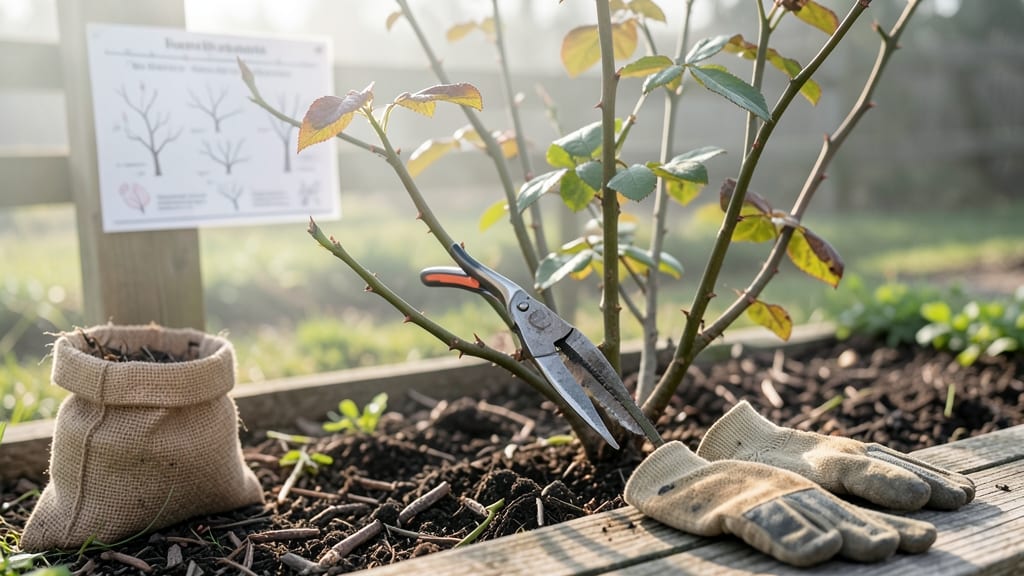
Pruning rose bushes in Texas at the right time means the difference between year-round blooms and wilting stems in the heat.
Picture this: you’ve just spent hours shaping your 🌹 rose bushes, only for the Texas sun to turn your hard work into a crispy mess by summer. That’s why timing isn’t just about seasons—it’s about beating the heat while the roses are still strong enough to bounce back.
Texas’s varied climate—from North Texas’s chilly winters to South Texas’s scorching summers—means traditional pruning advice won’t cut it. You need a strategy that keeps your roses thriving when most gardeners are giving up.
In this guide, I’ll walk you through the exact windows to prune, the tools to use, and how to avoid the costly mistakes that turn blooms into branches. Let’s get those roses looking their best without the guesswork.
Best pruning seasons for Texas roses: heat-tolerant timing explained
Pruning rose bushes in Texas requires a different approach than in cooler climates. Most gardeners follow traditional advice—pruning in early spring—but Texas's extreme heat and variable frost dates demand a smarter strategy. The key is timing cuts to avoid heat stress while encouraging robust regrowth.
In North Texas (USDA Zones 7b-8a), you have a slightly longer window, while South Texas (Zones 9a-11) must work around year-round growing conditions.
Traditional pruning advice often recommends cutting back roses in late winter or early spring. However, Texas's high humidity and sudden heat spikes can turn pruning into a high-risk activity.
When you prune too early, you expose fresh cuts to fungal diseases like black spot, which thrive in Texas's warm, moist air. Conversely, delaying pruning too long means missing the optimal growth window before summer's brutal heat sets in.
The ideal pruning window in Texas spans from late fall to early spring, specifically between November and February, depending on your region. This timing aligns with the plant's natural dormancy period and avoids the peak stress of summer.
For example, in North Texas, pruning in January or early February gives roses time to recover before the heat of March and April. Meanwhile, South Texas gardeners can prune as late as February to take advantage of longer growing seasons.
| Season | Ideal Pruning Window | Temperature Range | Humidity Considerations | Texas-Specific Notes |
|---|---|---|---|---|
| Late Fall | November - December | 50°F - 65°F (10°C - 18°C) | Moderate; lower disease risk | Best for North Texas; avoid if frost is imminent |
| Winter | January - February | 45°F - 60°F (7°C - 15°C) | Low; ideal for pruning | Optimal for all Texas regions; aligns with dormancy |
| Early Spring | March (North Texas) | 60°F - 75°F (15°C - 24°C) | Rising; monitor for fungal risks | Avoid in South Texas; heat stress risk |
| Summer | Never (High Risk) | Above 90°F (32°C) | Very high; disease prone | Avoid at all costs; leads to heat shock |
One of the biggest mistakes Texas gardeners make is pruning roses in late spring or summer. The 100°F+ temperatures common in Texas can shock roses, causing them to wilt or die back.
Even if you prune in the morning to avoid the hottest part of the day, the stress from fresh cuts combined with the heat can be fatal. Instead, focus on light maintenance pruning during summer—removing only dead or diseased wood—to keep your roses healthy without inviting pests or diseases.
For climbing roses and shrub roses, which are more heat-tolerant, you can extend pruning slightly into early spring, but always wait until after the last frost.
In North Texas, this is typically around mid-February, while in South Texas, you can prune as late as early March.
The goal is to give your roses enough time to recover before the heat of April and May, when temperatures can soar and water becomes scarce.
Another critical factor is humidity levels. Texas's high humidity, especially in the eastern and southern regions, creates the perfect conditions for fungal diseases like powdery mildew and black spot. When you prune, you create open wounds on the plant, which are entry points for these pathogens.
To minimize risk, always use sterilized pruning tools and avoid pruning during or immediately after rain. If you must prune in humid conditions, do so in the early morning when humidity is lowest.
If you're unsure about the best time to prune in your specific area, pay attention to your roses' natural cues. Look for new growth buds along the canes—these indicate that the plant is ready to recover from pruning.
In Texas, these buds typically appear in late winter or early spring, signaling that it's time to prune. Additionally, monitor local frost dates; pruning too early can expose roses to unexpected cold snaps, while pruning too late can leave them vulnerable to summer heat.
For heat-tolerant rose varieties like Knock Out roses or Earth-Kind roses, which are bred for Texas conditions, you can push the pruning window slightly later. These varieties handle heat and humidity better than traditional roses, but they still benefit from a
Step-by-step pruning guide for Texas climates: tools, techniques, and mistakes to avoid
Pruning roses in Texas requires a different approach than in cooler climates. The relentless sun and high humidity demand precise timing and technique to avoid stressing your plants.
Whether you have climbing roses, hybrid teas, or shrub roses, the key is to prune when temperatures are mild and humidity is low. This means focusing on late winter to early spring—just before new growth begins—to give your roses the best chance to thrive.
Using the wrong tools or cutting at the wrong angle can lead to disease, weak regrowth, or even death of your rose bushes. In Texas, where fungal diseases like black spot thrive, sterilizing your tools and making clean cuts is non-negotiable.
Below, I’ll walk you through the exact steps, tools, and common mistakes to avoid so your roses stay healthy and bloom beautifully year-round.
🌹 Step-by-Step Pruning Guide for Texas Roses
-
Step 1: Choose the Right Tools
Gather sharp bypass pruners, sterilized shears, and a pruning saw for thick stems. Disinfect tools with rubbing alcohol to prevent disease spread. -
Step 2: Identify Dead or Diseased Wood
Remove blackened canes, mushy stems, and crossing branches first. Cut back to healthy, outward-facing buds. -
Step 3: Prune for Airflow
Thin out crowded canes to improve circulation. Aim for a vase-shaped structure with an open center. -
Step 4: Cut at the Right Angle
Make 45-degree cuts just above an outward-facing bud. Avoid leaving stubs or tearing the bark. -
Step 5: Fertilize Lightly Post-Pruning
Apply a balanced 10-10-10 fertilizer 4-6 weeks after pruning to encourage new growth. -
Step 6: Mulch and Water Deeply
Add 2-3 inches of mulch and water deeply to reduce stress. Avoid overhead watering to prevent fungal issues.
One of the biggest mistakes I see in Texas gardens is pruning too late in the season. If you wait until spring heat arrives, your roses will struggle to recover. Another common error is cutting too aggressively—especially with climbing roses, which need their long canes preserved for structure.
Always leave at least one-third of the plant’s height intact to ensure it can photosynthesize and support new blooms.
For hybrid tea roses, focus on removing spent blooms throughout the year to encourage continuous flowering. In contrast, shrub roses benefit from a harder prune in late winter to shape their natural, bushy form.
Remember, Texas roses need less frequent but deeper pruning compared to cooler climates. Over-pruning can leave them vulnerable to heat stress and pests like aphids or spider mites.
After pruning, keep an eye out for new growth signs, like fresh green leaves or buds. If you notice yellowing leaves or stunted stems, it could signal over-pruning or disease. In that case, adjust your care routine—reduce watering slightly and avoid fertilizing until the plant shows recovery.
With the right approach, your Texas roses will reward you with vibrant blooms from spring through fall.
Finally, don’t forget to clean up pruned debris immediately. Leaving old canes on the ground invites pests and diseases. Store your tools in a dry place, and repeat the process once a year to keep your roses looking their best.
With these steps, your Texas roses will thrive even in the harshest conditions!