
Pruning
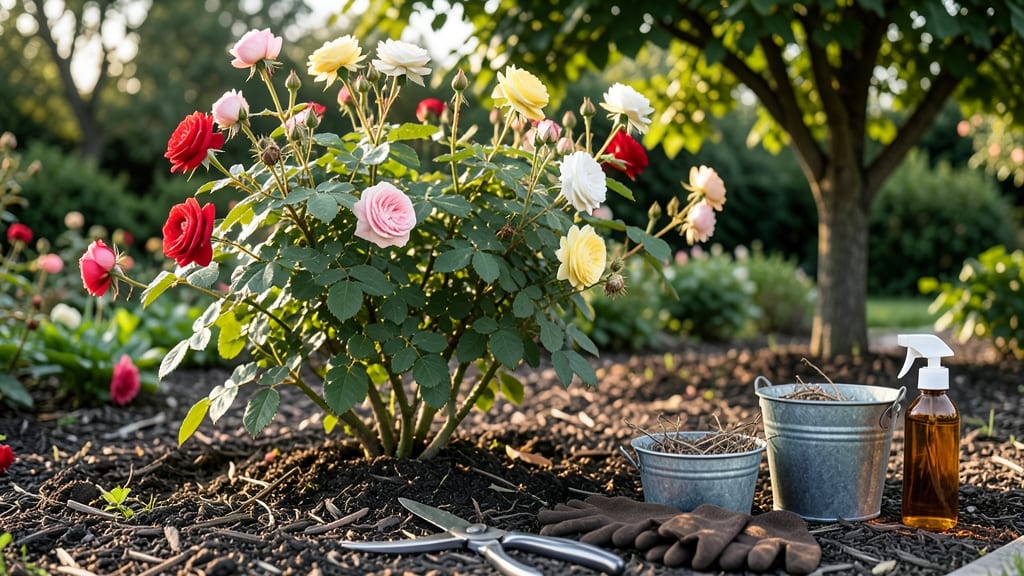
Trimming rose bushes in Texas at the right time can mean the difference between a show-stopping spring bloom and a sad, leggy plant struggling to recover.
Here’s the secret: Late winter is your golden window, but getting it wrong—especially in Texas’s 8a-10b zones—can leave your 🌹 roses vulnerable to frost damage or missed growth spurts.
The key? Timing it just after the last frost (which hits North Texas in mid-February and South Texas by early January) but before new shoots appear.
Why does this matter? Because roses in Texas don’t follow the same rules as those in cooler climates. A late trim risks exposing tender canes to unexpected cold snaps, while waiting too long means you’ll be hacking back fresh growth. The result? Fewer blooms and a weaker plant overall.
In this guide, I’ll walk you through the exact timing for hybrid teas, floribundas, and native Texas varieties—plus the tools and aftercare tricks to keep your roses thriving all season.
Optimal late-winter trimming timeline for Texas roses (by variety)
Texas rose bushes thrive when pruned at the right time, but our diverse climate zones (7-10) make timing tricky. Late-winter pruning—right before new growth begins—sets the stage for abundant blooms all season.
The key? Prune after the last frost but before buds swell, typically February to early March in most regions.
For hybrid teas and floribundas, aim for 3-5 weeks before your average last frost date.
In North Texas (Zone 8a), that’s often mid-February, while South Texas (Zone 10a) gardeners can wait until late February or early March. Climbing roses and native Texas roses follow slightly different rules—more on that below.
Why late winter? Pruning now removes dead or weak canes, improves air circulation, and redirects energy to new, healthy growth. Skip this step, and you risk disease pressure or stunted blooms—especially in Texas’s humid summers. Let’s break down the exact timing for each rose type.
🌹
| Rose Variety | USDA Zone | Prune Window | Key Pruning Goal | Notes |
|---|---|---|---|---|
| Hybrid Teas | 7-10 | Late Feb - Early March | Remove dead canes and crossing branches; cut 1/3 of total height | Prune above outward-facing buds for best bloom shape |
| Floribundas | 7-10 | Mid-Feb - Late March | Light pruning (1/4 height); remove weak stems | Blooms on old and new wood—avoid heavy cuts |
| Climbing Roses | 8-10 | Early March - April | Prune after blooming; cut 1/3 of old canes | Wait until new growth appears in Zone 8-9 |
| Native Texas Roses (e.g., Rosa setigera) | 7-10 | Late Feb - Early March | Minimal pruning (10-15%); remove diseased wood | Drought-tolerant—avoid over-pruning |
| All Varieties | 7-10 | Post-Prune Care | Apply rose fertilizer and mulch; water deeply | Monitor for aphids after pruning |
For Zone 7-8 gardeners (like those in Dallas or Austin), calculate your last frost date and prune 3-4 weeks before. Use the National Weather Service or local cooperative extension for exact dates. In Houston or San Antonio (Zone 9-10), you can prune
5 Critical signs your Texas rose needs pruning now (and how to fix it)
Your Texas rose bushes might look healthy from a distance, but up close, they often whisper urgent messages through their branches. Ignoring these signs can lead to reduced blooms, pest infestations, or even plant decline.
In our hot, dry climate, roses need extra attention—especially when they're struggling silently.
Pruning at the right time isn't just about aesthetics; it's about revitalizing growth and preventing stress. For Texas roses, the late-winter window (just after the last frost) is ideal, but sometimes your roses send SOS signals earlier.
Learning to read these signs ensures your roses stay vibrant and productive all season long.
- 1 Dead or Diseased Canes: Look for blackened, mushy stems or branches with peeling bark. These are entry points for fungal infections like black spot, which thrive in Texas's humidity.
- 2 Overcrowded Canes: When canes grow too close together, they compete for sunlight and air circulation, leading to weak blooms. Aim for 3-5 main canes per bush for optimal airflow.
- 3 Drought Stress: Wilting leaves or crispy edges signal your rose isn't getting enough water. In Texas heat, roses need deep watering 2-3 times per week during dry spells.
- 4 Pest Damage: Chewed leaves or sticky residue (aphids) mean pests are feasting on your rose. Prune affected areas immediately to stop the spread and apply neem oil if needed.
- 5 No New Growth: If your rose hasn't sprouted new green shoots by early spring, it's time to prune. This stimulates dormant buds and kickstarts fresh growth.
When you spot these signs, act fast! Start by removing dead or diseased canes first—cut them back to healthy wood using sterilized pruners. For overcrowded canes, trim back to 1/3 of the bush's height to improve airflow. Always prune at a 45-degree angle just above an outward-facing bud.
After pruning, mulch around the base with 2-3 inches of organic mulch to retain moisture and regulate soil temperature. This is especially critical in Texas, where temperature swings can stress newly pruned roses. Water deeply right after pruning to help the plant recover faster.
Remember, pruning isn't just about cutting—it's about encouraging growth. In Texas, where roses face intense heat and occasional drought, proper pruning ensures your bushes stay resilient. With these signs in mind, you'll keep your roses blooming beautifully all season long. 🌹