
Pruning
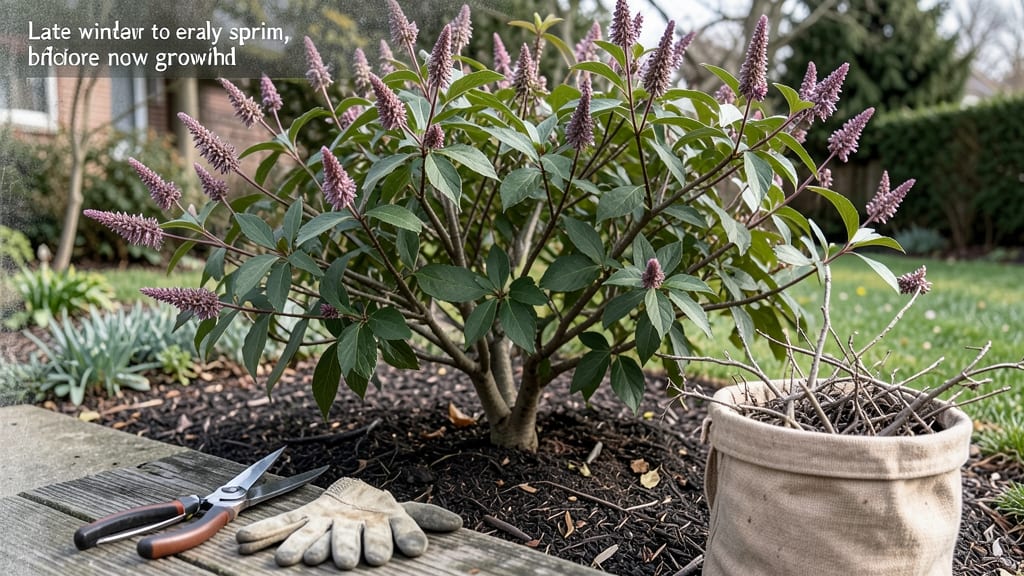
To prune your butterfly bush 🦋 in Pennsylvania at the right time means more blooms, stronger growth, and happier pollinators—so don’t wait until the last minute.
Pruning your butterfly bush at the wrong time in Pennsylvania can mean fewer blooms, weaker growth, and even inviting pests—so timing is everything for this pollinator magnet. Late winter or early spring is your best bet, but there’s a fine line between too early and too late.
In PA’s USDA zones 5b-7a, the ideal window opens in late February or early March, just as the plant wakes from dormancy. This gives you time to shape it before the first buds appear, ensuring a fuller, healthier bloom season.
Below, I’ll walk you through exactly when to prune, how to do it right for your climate, and what to avoid so your butterfly bush thrives all season long.
Best late winter pruning timeline for PA butterfly bushes
Timing your butterfly bush pruning in Pennsylvania is critical for encouraging vibrant blooms and healthy growth. Late winter—specifically February through early March—is the ideal window because it aligns with the plant's dormancy cycle and avoids damaging new spring growth.
This timing also helps prevent pests and diseases that thrive in moist spring conditions.
Pennsylvania's USDA zones 5b-7a experience varying frost dates, but most regions see their last hard frost between mid-April and early May.
Pruning too early can expose your butterfly bush to late winter freezes, while waiting too long risks cutting back emerging flower buds or encouraging pest infestations like spider mites.
Here’s a quick reference for PA-specific pruning timing based on your region’s frost dates and the butterfly bush’s growth cycle:
| Pruning Window | Key Actions | PA Climate Notes |
|---|---|---|
| Late February | Start pruning in southern PA (zones 6b-7a). Remove dead or diseased wood first. | Milder winters; less risk of late frost. |
| Early March | Prune 1/3 of old growth to encourage new shoots and blooms. | Ideal for central PA (zones 6a-6b). |
| Mid-March | Finish pruning in northern PA (zones 5b-6a). Avoid cutting green growth. | Higher frost risk; wait until after last frost if needed. |
| Post-Bloom (July-August) | Light pruning to shape the bush and remove spent blooms. | Encourages second flush of flowers in late summer. |
If you’re in northern PA (zones 5b-6a), hold off until mid-March to avoid late winter freezes. The goal is to prune just as the plant begins to break dormancy but before new growth emerges.
This timing ensures your butterfly bush has enough energy to produce abundant blooms by summer.
Pay attention to local frost forecasts—if a hard freeze is predicted after pruning, cover your butterfly bush with burlap or frost cloth to protect tender new growth. This extra step can save your plant from cold damage and set the stage for a healthier blooming season.
One common mistake in PA is pruning too late in spring, which can lead to stunted growth or even flower bud loss. By sticking to the late winter timeline, you’re giving your butterfly bush the best chance to recover quickly and thrive.
After pruning, apply a light layer of mulch around the base of your butterfly bush to retain moisture and regulate soil temperature. This is especially important in PA’s variable spring weather, where temperatures can swing from freezing nights to warm days.
Finally, avoid pruning in fall or early winter—this can leave your butterfly bush vulnerable to winter pests and disease. Late winter pruning is the gold standard for encouraging strong, healthy growth and maximizing blooms.
With the right timing, your butterfly bush will reward you with vibrant flowers that attract pollinators all summer long—and that’s a sight worth pruning for! 🦋
How to prune butterfly bush for maximum blooms in PA conditions
Pruning your butterfly bush correctly is the secret to vibrant blooms and healthy growth in Pennsylvania’s climate. The key is timing—cutting at the right moment ensures stronger stems and more flowers.
In PA’s USDA zones 5b-7a, late winter or early spring is ideal, but there’s more to it than just grabbing your shears.
Start by removing dead or diseased wood first—this keeps pests out and improves airflow. Then, shape your bush by cutting back one-third of last year’s growth to encourage fresh, vigorous shoots. Avoid pruning too late in spring, as this can delay blooming or stress the plant before summer’s heat arrives.
Here’s your step-by-step guide to pruning for maximum blooms in PA’s conditions:
After pruning, give your butterfly bush a light fertilizer to support new growth. Mulch around the base to retain moisture, especially important in PA’s hot, dry summers. With the right cuts, your bush will reward you with abundant blooms all season long.
Pro tip: Use sterilized shears to prevent spreading disease. A quick wipe with rubbing alcohol between cuts keeps your tools—and your bush—healthy.
🦋