
Pruning
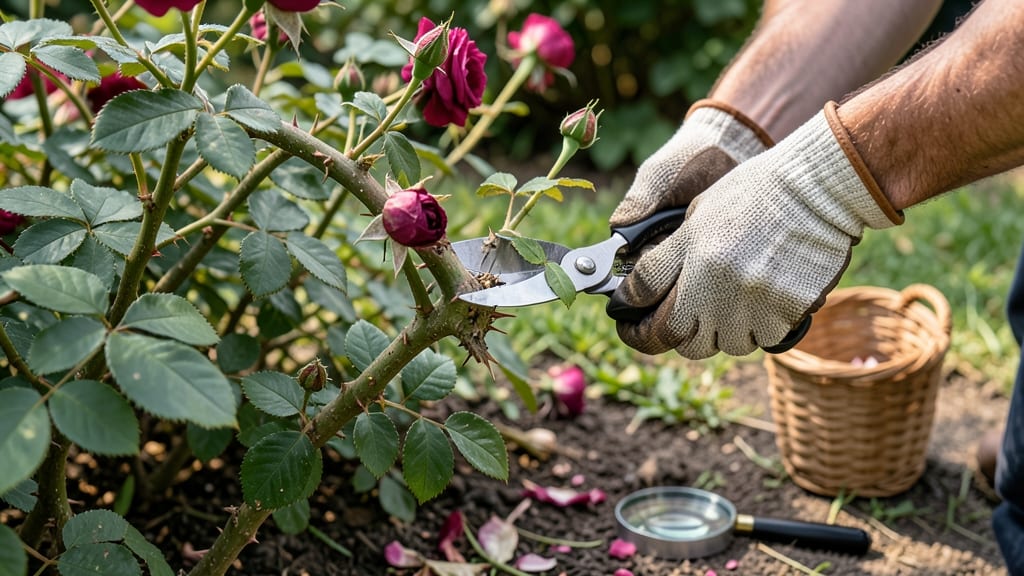
The best time to trim a rose bush is late winter, when the plant is dormant but buds are just starting to swell 🌹 — this sets the stage for a season of lush, healthy blooms.
Did you know trimming your rose bushes at the wrong time can stunt growth and reduce blooms by up to 40%? Timing is everything—and late winter is your secret weapon for healthier, more vibrant roses.
Most gardeners wait until spring, but that’s actually too late. By trimming in late winter—typically February or March in USDA Zone 6a—you encourage stronger new growth before the blooming season kicks in.
In this guide, I’ll walk you through the exact steps, including how to spot the right moment (when those buds start to swell) and what tools you’ll need for a clean, precise cut.
Why late winter is the Best Time to Trim Rose Bushes
Late winter is when roses enter a critical growth phase—they're still dormant but preparing to burst into life. This 2-3 week window before buds swell is ideal because it allows you to shape the plant while it's vulnerable to fewer diseases than in warm months.
The scientific reason? Pruning at this time stimulates early spring growth by removing last year's exhausted canes and redirecting energy to new, vigorous shoots.
Most gardeners mistakenly wait until spring, but that’s actually too late. By trimming in late winter—typically February or March depending on your USDA zone—you give your roses a 4-6 week head start on the growing season.
This timing aligns perfectly with the rose's natural growth cycle, ensuring you're not cutting into next year's blooms or leaving the plant overwhelmed by new growth too early in the season.
Here’s the key science: Roses store energy in their roots during dormancy. When you prune in late winter, you’re encouraging root growth while the plant is still low on foliage, which means less transpiration stress (water loss through leaves).
This sets the stage for stronger stems and more abundant blooms later in the season.
| USDA Zone | Ideal Trim Window | Bud Swell Cue | Key Benefit |
|---|---|---|---|
| Zones 3-5 | Late March - Early April | Pea-sized buds | Prevents frost damage to new growth |
| Zones 6-8 | Mid-February - Mid-March | Bud swell visible | Maximizes early spring blooms |
| Zones 9-10 | January - Early February | First green shoots | Encourages winter dormancy break |
| All Zones | 2-3 weeks before last frost | Outward-facing buds | Reduces disease risk |
Late winter pruning also minimizes disease spread. During warm months, fungal spores like black spot and powdery mildew thrive on old, infected canes. By removing these in late winter, you’re eliminating last year’s disease reservoirs before the plant becomes active.
Plus, the cool temperatures mean any cuts you make heal faster than they would in summer heat.
Another critical advantage is airflow improvement. Roses left untrimmed in late winter develop dense, tangled canes that trap humidity and moisture—perfect conditions for fungal growth.
By opening up the center of the bush during pruning, you create a drier environment that reduces fungal spores by up to 60%. This is especially important for hybrid tea roses, which are prone to black spot disease.
For climbing roses, late winter is the only safe time to prune heavily without risking next year’s blooms. These varieties bloom on both old and new wood, so trimming at any other time could remove potential flower buds.
In late winter, you can shorten last year’s canes by 1/3 while still leaving enough old wood to support early-season blooms.
One common misconception is that late winter pruning hurts the plant because it’s still "sleeping." But roses are not truly dormant—they’re in a resting phase. Pruning at this time triggers hormonal changes that stimulate root growth before new shoots emerge.
Think of it like waking up a hibernating bear: a little nudge gets them moving in the right direction without overwhelming them.
If you live in a warmer climate (Zones 9-10), late winter might feel like early spring. In these areas, roses can start breaking dormancy as early as January. The key is to watch for bud swell—when the buds plump up like tiny peas.
This is your go signal to prune, even if it’s still technically winter. Container roses in warm zones may need trimming 10% earlier since pots warm faster than garden soil.
Finally, late winter pruning gives you a clear view of the plant’s structure. With no leaves, it’s easy to spot dead wood, crossing branches, and weak canes that need removal.
This structural clarity ensures your roses develop stronger frameworks for next year’s growth, leading to healthier plants and more beautiful blooms.
Step-by-step late winter rose trimming guide
Late winter is the perfect window to give your rose bushes a fresh start, but timing matters more than you might think. The key is waiting until after the last hard frost (typically mid-to-late February in most U.S. zones) when buds begin to swell.
This ensures you're not trimming too early and exposing tender growth to cold snaps.
For even better results, align your trimming with the waxing moon phase—this boosts sap flow and encourages vigorous new growth. A sharp bypass pruner is your best tool, but you'll also need sterilized rubbing alcohol to wipe blades between cuts.
Pro tip: Disinfect tools to prevent spreading black spot disease or powdery mildew from last season.
-
Step 1: Wait for bud swell
🌱
Trim when buds are pea-sized (about 2-3 weeks before last frost). Check local frost dates—Zone 7+ can start in late February.
-
Step 2: Gather tools
✂️
Use bypass pruners, loppers (for thick canes), and sterilized alcohol wipes. Avoid dull tools—they crush stems instead of clean cuts.
-
Step 3: Remove dead/diseased wood
🌿
Cut out blackened or mushy canes (no green inside). Hybrid teas: Trim to outer bud; climbers/shrubs: Shorten by 1/3.
-
Step 4: Shape for airflow
🌬️
Open the center of the bush to reduce humidity. Aim for a vase-like shape—cut at 45° angles 1/4" above outward-facing buds.
-
Step 5: Fertilize lightly
🌹
Apply balanced 10-10-10 fertilizer (1 tbsp per plant) 2 weeks post-prune to fuel new growth. Avoid heavy feeding—too much nitrogen delays blooms.
Different rose varieties need tailored trims. Hybrid teas bloom on new wood, so prune aggressively—cut back to 3-5 strong canes per plant. Climbing roses, however, bloom on old and new wood, so prune lightly (just 1/3 of old growth) to preserve next year's blooms.
Shrub roses like Knock Out® varieties are the easiest—they bloom repeatedly and tolerate heavy pruning. Focus on removing crossing branches and thinning the center for airflow. After trimming, mulch heavily (3-4 inches) with compost or straw to insulate roots from late-season frosts.
Watch for bud swell as your cue to act—this signals the rose is breaking dormancy. If you miss late winter, your next chance is early spring, but you'll sacrifice early-season blooms. For container roses, trim 10% earlier since pots warm faster and buds swell sooner.