
Plants
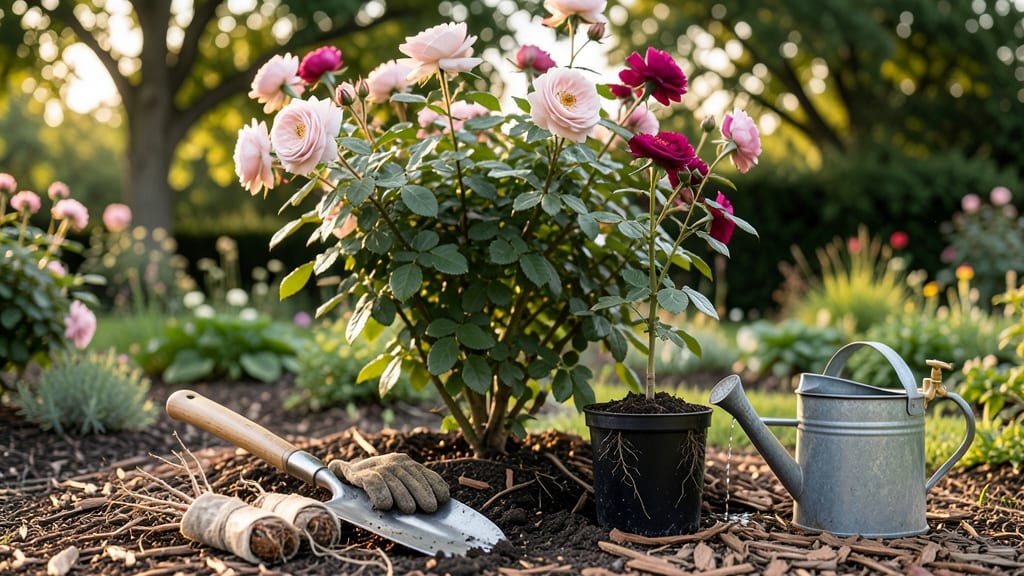
Planting rose bushes in Texas during fall or early spring sets them up for vibrant blooms and long-term health, avoiding the brutal summer heat that can stress young roots.
Picture this: You’ve just dropped $50 on a stunning rose bush—only to watch it wilt under the relentless Texas sun if planted at the wrong time. The key? Cool soil temperatures and established roots before the heat kicks in.
Texas’ 8a-10b zones mean your timing depends on whether you’re in North or South Texas, but the rule of thumb is simple: October through December or February to March for bare-root roses, while container-grown varieties give you more flexibility.
Below, I’ll break down the best months by zone, how to prep your soil for Texas’ heavy clay, and the one mistake that kills roses faster than drought or pests—so you can skip the guesswork and plant with confidence.
Texas rose planting calendar: best months by hardiness Zone
Texas gardeners know timing is everything—especially when planting rose bushes in a climate that swings from 100°F heat to freezing nights. The USDA hardiness zones 7a-11 across Texas mean your planting window varies dramatically from the Panhandle to South Texas.
Planting at the wrong time can stress your roses, inviting disease or heat shock, while perfect timing ensures roots establish before extreme weather hits.
For blooming success, focus on two key windows: fall (October-December) and early spring (February-March). Fall planting gives roots time to settle before summer heat, while spring planting avoids winter dormancy risks.
Urban areas like Austin and Dallas may experience heat islands, delaying frost by weeks compared to rural zones. Adjust your schedule accordingly.
Here’s your Texas rose planting calendar by zone, including frost dates and microclimate adjustments:
| Zone | Best Planting Months | Frost Risk | Urban Adjustment | Key Tip |
|---|---|---|---|---|
| 7a (North Texas) | Oct 15–Nov 15 Feb 15–Mar 15 |
Last frost: Jan 15 First frost: Dec 1 |
Plant 2–3 weeks later | Mulch heavily for winter |
| 8a-8b (Central TX) | Oct 1–Nov 30 Feb 1–Mar 15 |
Last frost: Feb 1 First frost: Nov 15 |
Avoid planting in heatwaves | Use shade cloth for young plants |
| 9a-9b (East/Central) | Sep 15–Nov 15 Jan 15–Feb 28 |
Last frost: Jan 1 First frost: Dec 15 |
Monitor soil temps (ideal: 60°F) | Water deeply post-planting |
| 10a-10b (South TX) | Sep 1–Oct 31 Dec 15–Feb 15 |
Frost rare; heat stress risk | Plant in partial shade | Choose heat-tolerant varieties |
| 11 (Deep South) | Year-round (best: Sep–Nov) | No frost; heat priority | Avoid summer planting | Use drip irrigation |
In Zone 7a, like the Panhandle, aim for October 15–November 15 to beat frost. Soil temps should hover around 60°F for root growth.
If planting in spring, wait until February 15 to avoid early heat stress. Bare-root roses thrive in fall, while container-grown roses can go in year-round but need extra watering in summer.
For urban gardens in Austin or Houston, adjust your schedule by 2–3 weeks later due to heat islands. Rural areas like West Texas can plant earlier since nights cool faster. Always check soil temperature—if it’s below 50°F, wait. Use a soil thermometer to avoid guessing.
Pro tip: Mulch with 3–4 inches of organic matter (like pine bark) after planting to retain moisture and regulate soil temps. In
Signs your Texas rose planting timing is perfect (or terrible)
Texas' extreme climate makes perfect rose planting timing the difference between thriving blooms and struggling shrubs. The ideal window depends on soil warmth, rainfall, and humidity—all factors that shift dramatically across the state.
In North Texas (Zone 8a), for example, fall planting should happen by mid-November before winter chill sets in, while South Texas (Zone 9b) gardeners can plant until January.
One of the first signs of perfect timing is soil temperature between 60-70°F. Use a soil thermometer to check—if it's cooler, roots won't establish properly. Another clue is moderate rainfall (1-2 inches per week) without drought stress or waterlogging.
Texas' humidity spikes in summer, making spring planting risky unless you're in cooler mountain regions.
⚠️ WARNING: Common Texas Planting Mistakes ⚠️
- Risk: Frost damage in North Texas (Zone 8a) if planted before October 15
- Sign: Yellowing leaves after unexpected 28°F nights (common in February)
- Fix: Wait until soil temps stay above 60°F for 5+ days
- Risk: Heat stress in South Texas (Zone 10a) if planted after March 15
- Sign: Wilting within 48 hours due to 100°F+ soil temps
- Fix: Use shade cloth for first 2 weeks or plant in fall
- Risk: Fungal diseases (black spot, powdery mildew) in East Texas' 80%+ humidity
- Sign: Spotted leaves appearing 3-4 weeks post-planting
- Fix: Choose disease-resistant varieties (e.g., 'Knock Out' roses) and space plants 3-4 feet apart
For bare-root roses, the perfect timing includes dormant buds (small, firm nubs) and moist (not soggy) soil. If you're planting container-grown roses, look for new growth at the base—a sign the plant is ready to adapt. In West Texas (Zone 8b), where drought is extreme, prioritize deep watering every 5-7 days after planting to encourage root growth.
Watch for pest activity like rose slugs (common in spring) or aphids (thriving in summer humidity). If you see sticky residue on leaves within weeks of planting, you've likely planted during peak pest season. Organic neem oil applied at planting can prevent this.
Also, mulch heavily (3-4 inches) to retain moisture—critical in Texas' 100°F+ summers.
Finally, avoid planting during Texas' monsoon season (May-June) in South Texas. The sudden downpours can disrupt root establishment, while flash floods may erode newly planted soil. If you must plant then, choose raised beds with excellent drainage and stake roses immediately to prevent toppling.
When you see healthy new growth within 3-4 weeks—without wilting, yellowing, or pest damage—you've nailed the perfect Texas planting timing. These roses will reward you with bold blooms all season, proving your patience paid off. 🌹