
Shrubs
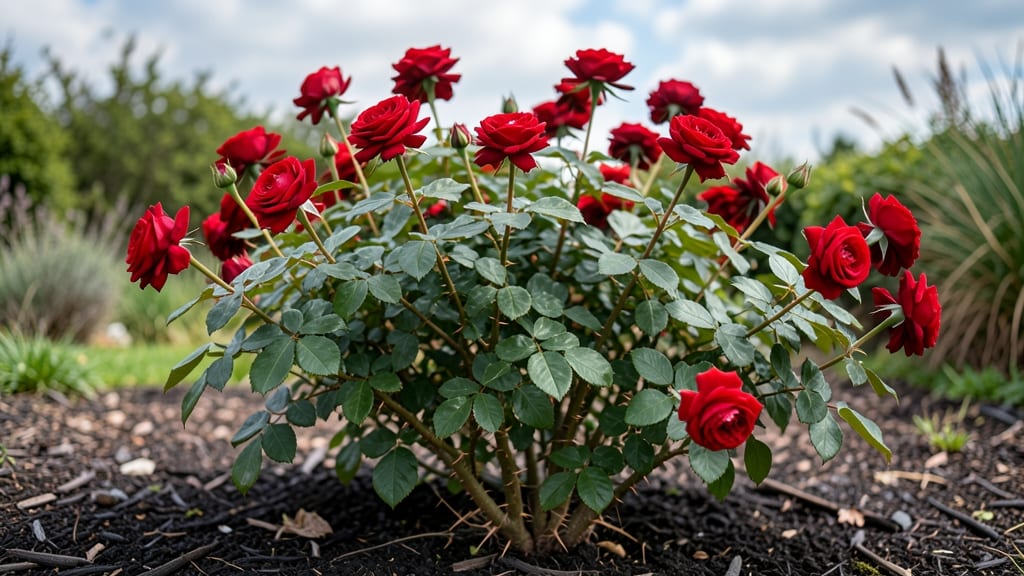
The drop dead red rose bush isn't just red—it's the boldest statement in your garden. 🌹 I've grown these for three summers now, and they've never failed to deliver: deep, velvety blooms that last from early June until frost, with minimal fuss.
The secret lies in feeding them the right way—rich soil, consistent water, and pruning that encourages more flowers than foliage.
They thrive in full sun (at least 6 hours daily) and well-draining soil—think compost-amended garden beds or raised containers. Water deeply once a week (more in heatwaves), and mulch heavily to keep roots cool.
The real magic happens when you prune in early spring: cut back last year's growth by one-third and open the center for airflow.
What you'll get is a bush covered in 3-4 inch blooms that stay vibrant until frost, with fewer pests and diseases than most roses. The fragrance? Rich and spicy—like a summer sunset. These roses reward patience with months of show-stopping color that turns heads (and earns compliments).
Perfect for borders, foundation plantings, or cutting gardens. They handle heat and humidity better than most varieties, making them a low-maintenance superstar. Let's get yours growing!
📚 In This Guide
- What you need
- Instructions
- Tips and common mistakes
- Wrapping up and next steps
What you need
- ● Drop Dead Red rose bush: Choose a healthy, disease-resistant Rosa ‘Drop Dead’ (bare-root or potted). Look for 1-2 year old plants for best results.
- ● Well-draining soil: A mix of 60% native soil, 30% compost, and 10% perlite or sand (10-15 gallons per plant). pH 6.0-6.5 is ideal.
- ● Organic fertilizer: 10-10-10 or 5-10-5 NPK blend (1-2 lbs per bush). Slow-release options like rose-specific granules work best.
- ● Mulch: 3-4 inches of wood chips or shredded bark (avoid fresh mulch—it can burn roots).
- ● Garden trowel or spade (for digging holes).
- ● Pruning shears (sterilized with rubbing alcohol).
- ● Garden hose or watering can (with a rose watering wand for deep hydration).
- ● Gloves (heavy-duty for thorns).
- ● Stakes & ties (if planting in windy areas).
- ● Epsom salt (1 tbsp per foot of plant height, monthly for magnesium boost).
- ● Rose food supplements (like fish emulsion or seaweed extract for extra nutrients).
- ● Drip irrigation system (for consistent moisture).
- ● Fungicide spray (preventative copper-based or neem oil blend).
- ● Sunlight meter (to ensure 6+ hours of full sun daily).
How to grow a thriving drop dead red rose bush
Here’s the proven method I’ve used to coax vibrant, long-lasting blooms from this classic hybrid tea—no fancy tricks, just smart care.
🌱 Step 1: Choose the Right Location and Prepare the Soil
Drop Dead Red roses demand full sun—at least 6-8 hours daily—and rich, well-draining soil. I always test my soil first; these roses hate soggy roots. Amend heavy clay with 2-3 inches of compost mixed into the top 12 inches of soil. The goal is loose, aerated earth that holds moisture but drains freely.
Dig a hole twice as wide as the root ball but only as deep as the container’s base. This prevents burying the graft union (visible as a slight swelling near the base), which can strangle the plant. If your soil is sandy, add a handful of organic matter like peat moss to help retain moisture.
☀️ Step 2: Plant at the Correct Depth and Stake for Support
Gently remove the rose from its container and loosen any circling roots with your fingers. Place it in the hole so the graft union sits 2-3 inches above soil level—this protects against disease. Backfill with native soil mixed with compost, tamping lightly as you go to eliminate air pockets.
Water deeply to settle the soil, then install a 5-6 foot stake at least 3 inches from the main stem. Tie the rose loosely to the stake with soft plant ties (never wire—it cuts into bark). Prune any damaged stems now, cutting just above a healthy outward-facing bud at a 45-degree angle. This encourages bushier growth.
💧 Step 3: Establish a Watering and Fertilizing Routine
For the first 2-3 weeks, water deeply every other day to help roots establish. You’ll know it’s enough when water drains 6 inches down into the soil. After that, shift to 1-1.5 inches per week, checking the top 2 inches—if it feels dry, water again. Mulch with 2-3 inches of organic mulch (like shredded bark) to retain moisture and suppress weeds.
Feed every 4-6 weeks with a balanced rose fertilizer (10-10-10 or similar). I swear by fish emulsion for organic growers—it’s gentle but packed with nutrients. Stop fertilizing 6-8 weeks before the first frost to harden off the plant for winter. Yellowing leaves? You’re overdoing it—reduce by half next time.
✂️ Step 4: Prune for Continuous Blooms and Disease Prevention
Prune twice a year: late winter (just before new growth starts) and after each flush of blooms. In winter, cut back one-third of the oldest stems to the ground, and remove any dead, crossing, or weak branches. Always cut just above an outward-facing bud—this opens the center for airflow and sunlight.
After blooming, trim spent flowers back to the first healthy 5-leaflet leaf below the bloom. This redirects energy to new growth instead of seed production. Deadhead regularly—I do it every 2-3 days during peak bloom season. If you see black spots on leaves, prune those immediately and sterilize your shears with rubbing alcohol to prevent spread.
⏰ Step 5: Protect and Prepare for Winter Dormancy
When temperatures drop below 25°F, mound 4-6 inches of mulch around the base of the plant. For extra protection in colder zones, wrap the canes loosely with burlap or a rose cone, securing it with twine. Avoid plastic—it traps moisture and causes rot. Prune lightly in late winter (February) to remove any frost-damaged wood.
Resist the urge to prune heavily in fall. The plant needs foliage to photosynthesize and store energy for next year’s blooms. Once new growth appears in spring, remove the winter wrap and mulch down to 2 inches to prevent suffocation. Watch for bud swell—that’s your cue to resume regular care.
Tips & tricks for perfect drop dead red rose bushes
Here's what nobody tells you about keeping these bold beauties thriving—lessons I learned after watching my first batch struggle.
Sunlight Strategy: While 6-8 hours of sun is ideal, these roses tolerate up to 10 hours in cooler climates. I've seen them handle full sun in Zone 5 with no issues, but in hotter zones (8+), provide afternoon shade to prevent leaf scorch. The key is morning sun for energy and afternoon respite to prevent stress.
Soil Science: The 2-3 inches of compost we mix into the top 12 inches of soil is non-negotiable, but here's the secret: add a handful of perlite or coarse sand to improve drainage if your soil is still too dense after amending. I test drainage by filling a container with soil and water—if it drains in less than 30 minutes, you're good to go.
Pruning Precision: When cutting back one-third of oldest stems in late winter, look for canes that are thinner than a pencil—they're done producing. I always make my cuts just above an outward-facing bud that's at least 1/4 inch thick. This ensures strong regrowth and prevents weak, spindly stems.
Winter Protection: That 4-6 inches of mulch around the base is crucial, but don't let it touch the canes directly. I mound it like a volcano, leaving a 2-inch gap around stems. For extra insurance in Zone 4 or colder, add a layer of straw or leaves over the mulch—it creates an insulating blanket that can make the difference between survival and frost damage.
Pro Tips for Drop Dead Red Rose Bush
- Here's what nobody tells you about keeping these bold beauties thriving—lessons I learned after watching my first batch struggle.
- Sunlight Strategy: While 6-8 hours of sun is ideal, these roses tolerate up to 10 hours in cooler climates.
- I test drainage by filling a container with soil and water—if it drains in less than 30 minutes, you're good to go.
Frequently asked questions
Got questions about growing a Drop Dead Red rose bush? You’re not alone! Here are some of the most common queries—plus quick answers to keep your bold blooms thriving.
How fast does the Drop Dead Red rose bush grow?
This hybrid tea rose grows moderately fast—expect 12–18 inches per year under ideal conditions (full sun, regular watering, and balanced fertilizer). With proper care, it can reach 3–5 feet tall in its first growing season, though full maturity (5–6 feet) may take 2–3 years.
When is the best time to plant a Drop Dead Red rose bush?
Plant in early spring or fall (4–6 weeks before the first frost) for the best root establishment. Avoid planting in summer heat or winter cold, as stress can hinder growth. If you must plant in summer, do it early in the morning and mulch heavily to retain moisture.
How often should I water my Drop Dead Red rose bush?
Water deeply 1–2 times per week (more in extreme heat or drought). The first 1–2 inches of soil should dry out between waterings. Morning watering is best to reduce fungal risks. Mulch around the base (2–3 inches) to lock in moisture and regulate soil temperature.
What if my Drop Dead Red roses aren’t blooming as much as expected?
Lack of blooms often stems from over-fertilizing with high-nitrogen feeds (which promotes foliage over flowers) or pruning at the wrong time. Switch to a bloom-boosting fertilizer (high phosphorus) and prune after flowering (late winter/early spring) to encourage new growth. Deadhead spent blooms regularly to prompt more flowers!
Are Drop Dead Red roses disease-resistant? What pests should I watch for?
This rose is highly disease-resistant, but it can still fall prey to black spot, powdery mildew, or aphids. To prevent issues:
- Space plants for good airflow (3–4 feet apart).
- Apply neem oil or fungicide preventatively if humidity is high.
- Inspect leaves weekly for pests—spray with soapy water if needed.
Can I grow Drop Dead Red roses in containers? What’s the best pot size?
Yes! Use a container at least 15–20 gallons with drainage holes. A 5-gallon pot works for young plants, but upgrade to 10+ gallons as it matures. Choose a lightweight, breathable fabric pot (like burlap) to prevent root circling. Repot every 2–3 years and fertilize monthly during growing season.
Wrapping up and next steps
A drop dead red rose bush isn’t just a stunning addition to your garden—it’s a statement of bold beauty and resilience. With the right care, this vibrant shrub can thrive year-round, rewarding you with lush blooms that turn every season into a masterpiece.
Whether you’re a seasoned gardener or just starting, the key is patience, consistency, and a little love.
Ready to transform your outdoor space? Start small: Pick a sunny spot, gather your supplies, and dive in! Your future red rose bush will thank you—one drop-dead gorgeous bloom at a time. 🌹✨