
Light Requirements
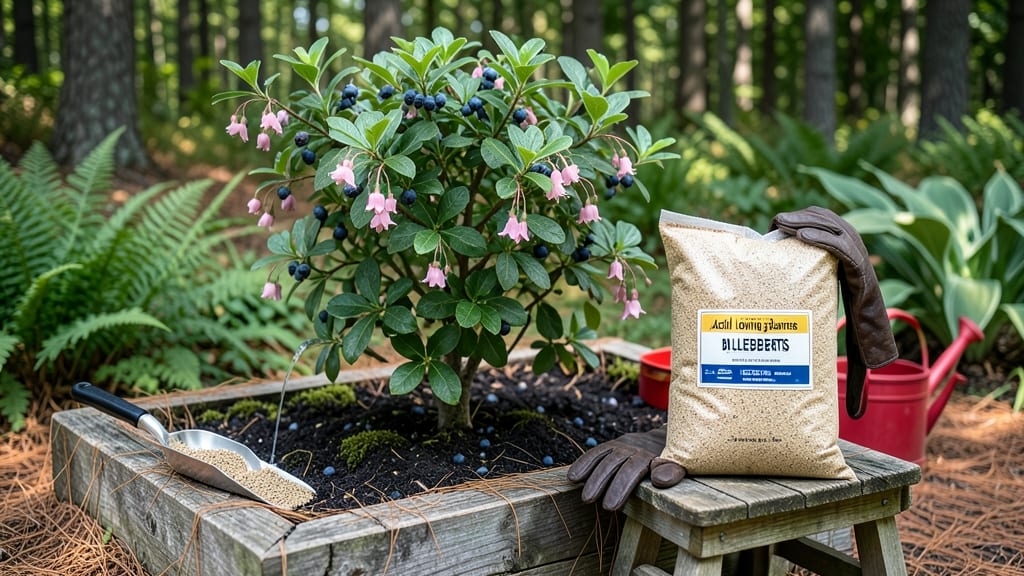
Fertilizing your blueberry bushes at the wrong time can leave you with stunted growth or even fewer berries — and the best schedule depends on when they bloom and when you harvest.
Blueberry bushes thrive with the right care, but timing your fertilizer applications wrong can stunt growth or even kill your plants. Discover the perfect spring and fall schedule to boost acid-loving blueberries and avoid costly mistakes.
Most gardeners focus on spring feeding, but fall is just as critical — and skipping it can mean smaller harvests next year. I’ll walk you through the exact months to fertilize, whether to use organic or synthetic, and how to tell if your soil is ready.
By the end, you’ll know exactly when to feed your 🫐 bushes for bigger, sweeter berries — without overdoing it. Let’s get started.

Best spring fertilization timeline for blueberry bushes (before blooms & after harvest)
Spring is the critical window for feeding your blueberry bushes—but timing matters more than you think. A light early-spring application jumpstarts growth, while a post-harvest boost sets up next year’s fruit production.
Get it wrong, and you risk burning roots or delaying harvests. Let’s break down the exact schedule and fertilizer types that work best for your acid-loving shrubs.
First, check your soil pH—blueberries need acidic soil (4.5–5.5). If your soil tests higher, amend it with sulfur or peat moss before fertilizing. Ignoring pH means wasted fertilizer and poor fruit set.
Use a home pH test kit (costs ~$10) or send a sample to your local cooperative extension service for accuracy.
Now, let’s tackle the two key spring feeding windows: early spring (before blooms) and post-harvest (late summer). Each serves a different purpose, and skipping either can reduce yields by 30–50%. Organic vs. synthetic fertilizers also play a role—here’s how to choose wisely.
| Timing Window | Purpose | Recommended Fertilizer | Application Rate | Key Tips |
|---|---|---|---|---|
| Early Spring (Before Blooms) | Stimulate new growth, root development | 10-10-10 (synthetic) or cottonseed meal (organic) | 1/4 cup per bush | Apply when buds swell but before flowers open |
| Post-Harvest (Late Summer) | Replenish nutrients for next year’s fruit | Slow-release 12-4-8 or alfalfa meal | 1/2 cup per bush | Wait 4–6 weeks after harvest to avoid late-season growth |
| Soil Amendment (Yearly) | Maintain acidic soil pH | Elemental sulfur or peat moss | 1–2 lbs per 100 sq ft | Mix into top 6 inches of soil in early spring |
For organic fertilizers, cottonseed meal or alfalfa meal are top choices because they slowly release nitrogen while improving soil structure. Synthetic options like 10-10-10 or 12-4-8 (acid-loving plant formulas) work faster but require precise dosing. Overdoing synthetics can burn roots or cause salt buildup in the soil.
Pro tip: Water deeply before and after applying fertilizer to help nutrients penetrate the soil. Avoid fertilizing if rain is forecast within 24–48 hours, as it can wash away essential nutrients. Early morning applications also reduce leaf burn from heat stress.
If your blueberries are younger than 3 years old, cut fertilizer use in half. Young plants focus energy on root and canopy growth, not fruit production. Over-fertilizing can stunt their development or even kill them. Always follow the "less is more" rule for immature bushes.
Watch for yellowing leaves after fertilizing—this could signal iron deficiency (common in alkaline soils) or over-fertilization. If leaves yellow between veins, your soil pH is likely too high. Adjust with more sulfur and retest in 2–3 months. For uniform yellowing, you may have overdone nitrogen.
Finally, mulch after fertilizing to lock in moisture and regulate soil temperature. Use pine needles or wood chips (3–4 inches deep) and keep mulch 3 inches away from the stem to prevent rot. This simple step can boost fruit production by 20–30% by reducing water stress.
Timing your spring fertilization correctly is the secret weapon for bountiful blueberry harvests. Stick to this schedule, and you’ll enjoy sweeter, larger berries year after year—without the guesswork. Happy growing!
Fall fertilization secrets: how late is too late for blueberry bushes?
Fall is a critical time for blueberry bushes, but fertilizing too late can trigger new growth that won’t survive winter. Unlike spring, when feeding stimulates blooms, autumn fertilization should focus on soil preparation—not plant feeding.
The key is timing: aim for 6-8 weeks before your first frost (typically late September to early October in USDA Zone 6a). This gives roots time to absorb nutrients without encouraging tender shoots vulnerable to cold.
Slow-release fertilizers like peat-based or sulfur-coated granules are ideal for fall. These break down gradually, feeding roots over winter while avoiding the burn risk of quick-release formulas. Think of it as a nutrient bank for next spring’s growth.
Organic options like composted pine needles or cottonseed meal also work well—they improve soil acidity (critical for blueberries) and structure.
⚠️ callout warning ⚠️
Never fertilize after leaves fall—this triggers soft, frost-sensitive shoots. Stop feeding by October 1st in most regions. Even slow-release fertilizers applied too late can cause problems. Test soil pH first (aim for 4.5–5.5); if acidic, amend with elemental sulfur instead of nitrogen-heavy feeds.
If your bushes look healthy but tired (yellowing leaves, sparse berries), focus on soil health this fall. Work in 2–3 inches of compost or well-rotted leaf mold around the drip line. This boosts organic matter without overstimulating growth. Mulch with pine straw or shredded leaves to insulate roots and retain moisture—critical for winter survival.
Young blueberry bushes (1–3 years old) are an exception. They benefit from a light fall feeding (half the spring dose) to establish roots before dormancy. Use a balanced 10-10-10 fertilizer or fish emulsion diluted to 50% strength.
Older bushes, however, should rest until spring. Their energy is better spent replenishing root reserves naturally.
Watch for over-fertilization signs like dark green leaves or salty soil crust. If you suspect this, flush the root zone with 2–3 inches of water to leach excess nutrients.
In drought-prone areas, reduce fall watering 4–6 weeks before frost to harden off plants. The goal is stress-free dormancy, not lush growth.
Next spring, you’ll thank yourself for this prep work. Proper fall care means earlier blooms, bigger berries, and fewer nutrient deficiencies. Mark your calendar now: late September is your last chance to fertilize for winter success. 🫐🌿